中国畜牧兽医 ›› 2026, Vol. 53 ›› Issue (2): 973-983.doi: 10.16431/j.cnki.1671-7236.2026.02.041

• 预防兽医 • 上一篇    下一篇

鸡DDX21蛋白表达、多克隆抗体制备与应用

王梦迪1(), 张淼湘1, 曾玉冰1, 梁燕娇1, 黄腾1, 黄鉴妮1,2,3()   

  1. 1.广西大学动物科学技术学院,南宁 530004
    2.广西畜禽繁育与疾病防控重点实验室,南宁 530004
    3.广西壮族自治区兽用生物制品工程研究中心,南宁 530004
  • 收稿日期:2025-05-07 出版日期:2026-02-20 发布日期:2026-01-27
  • 通讯作者: 黄鉴妮 E-mail:mengdi42370@163.com;jiannihuang@gxu.edu.cn
  • 作者简介:王梦迪,E-mail:mengdi42370@163.com
  • 基金资助:
    广西自然科学青年基金项目(2023GXNSFBA026293);广西科技重大专项(桂科AA24263033);国家自然科学基金项目(32202846)

Expression of Chicken DDX21 Protein and Preparation and Application of Its Polyclonal Antibody

WANG Mengdi1(), ZHANG Miaoxiang1, ZENG Yubing1, LIANG Yanjiao1, HUANG Teng1, HUANG Jianni1,2,3()   

  1. 1.College of Animal Science and Technology,Guangxi University,Nanning 530004,China
    2.Guangxi Key Laboratory of Animal Breeding,Disease Control and Prevention,Nanning 530004,China
    3.Guangxi Zhuang Autonomous Region Engineering Research Center of Veterinary Biologics,Nanning 530004,China
  • Received:2025-05-07 Online:2026-02-20 Published:2026-01-27
  • Contact: HUANG Jianni E-mail:mengdi42370@163.com;jiannihuang@gxu.edu.cn

摘要:

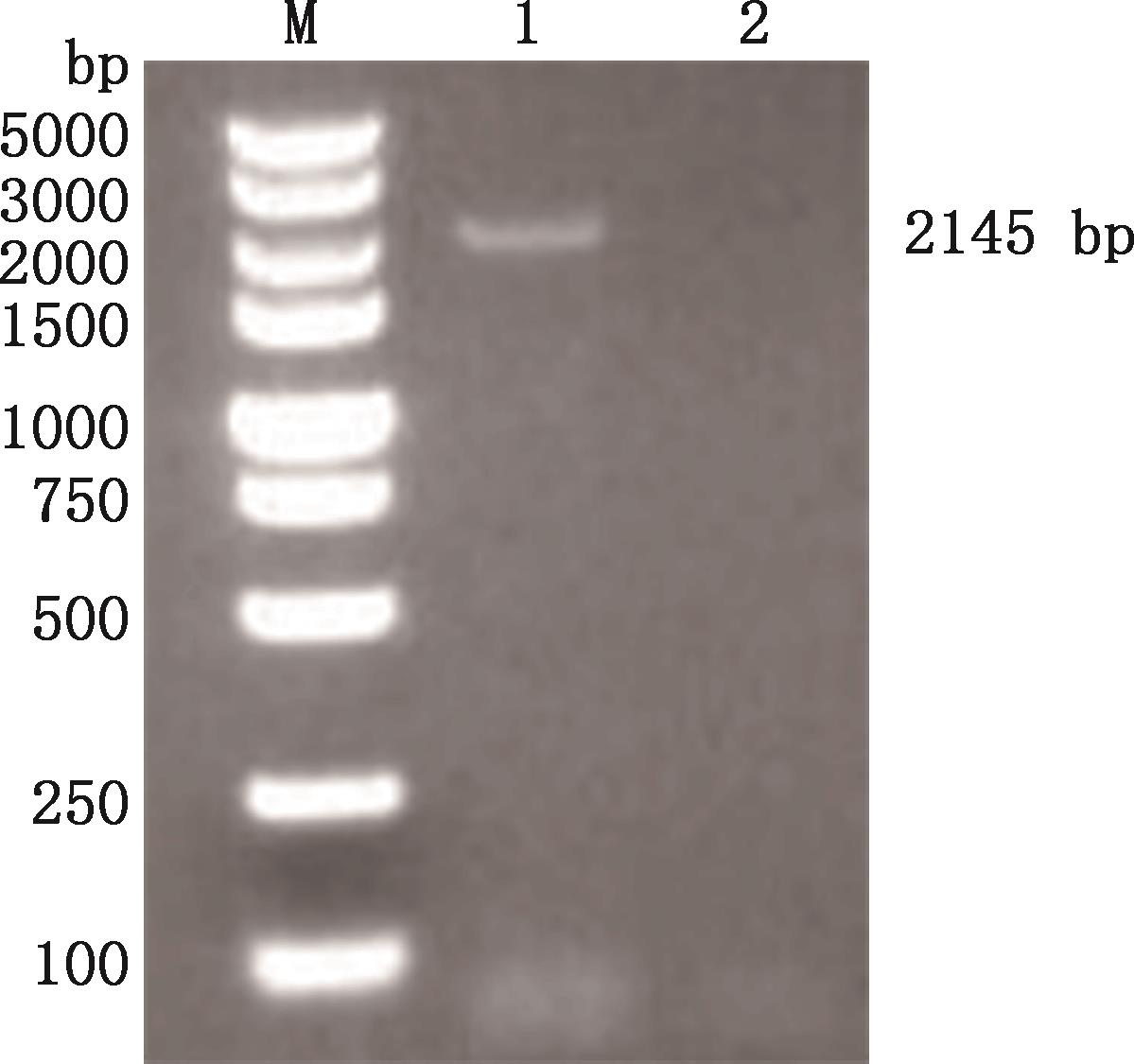
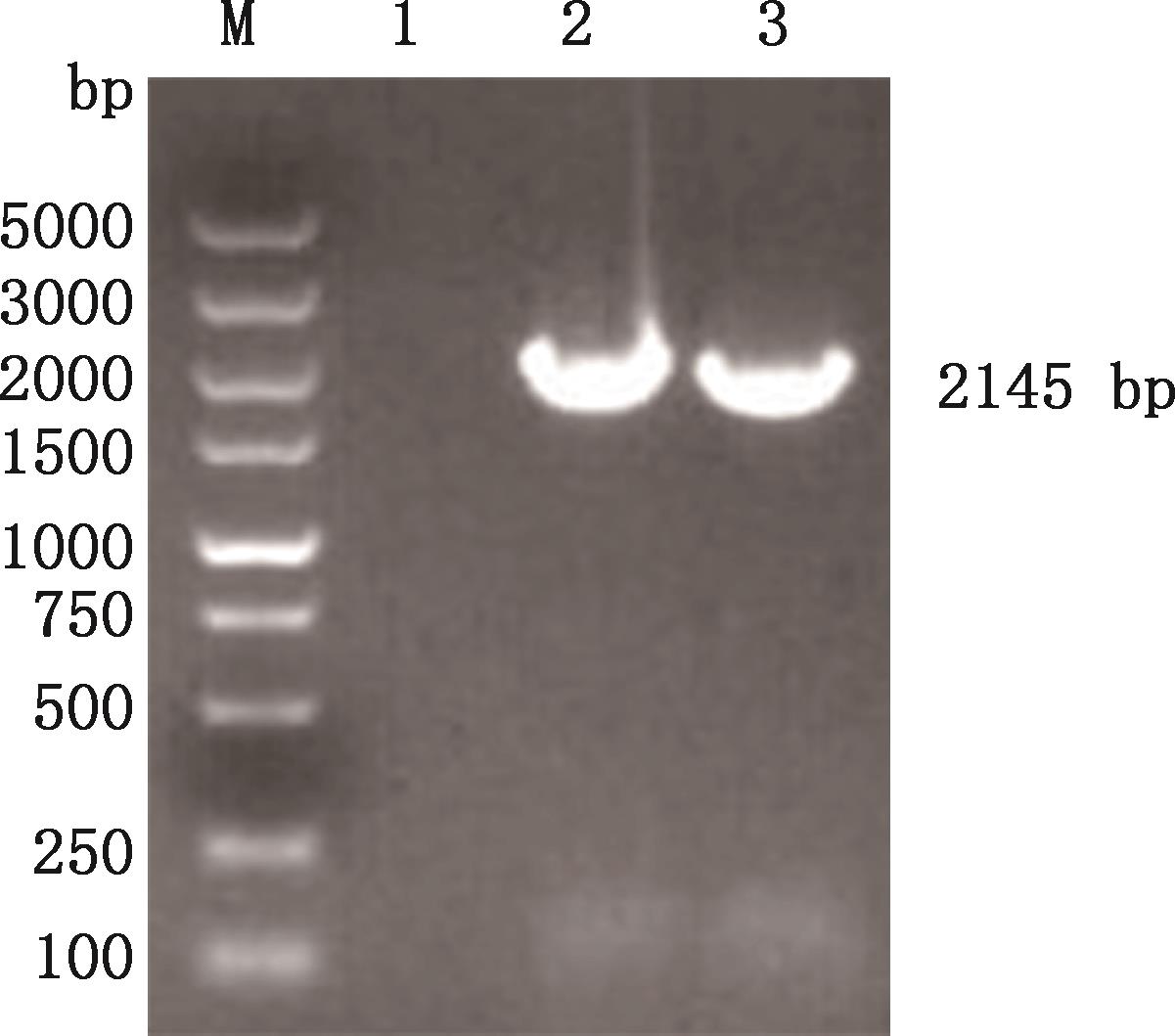
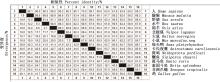
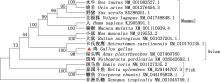
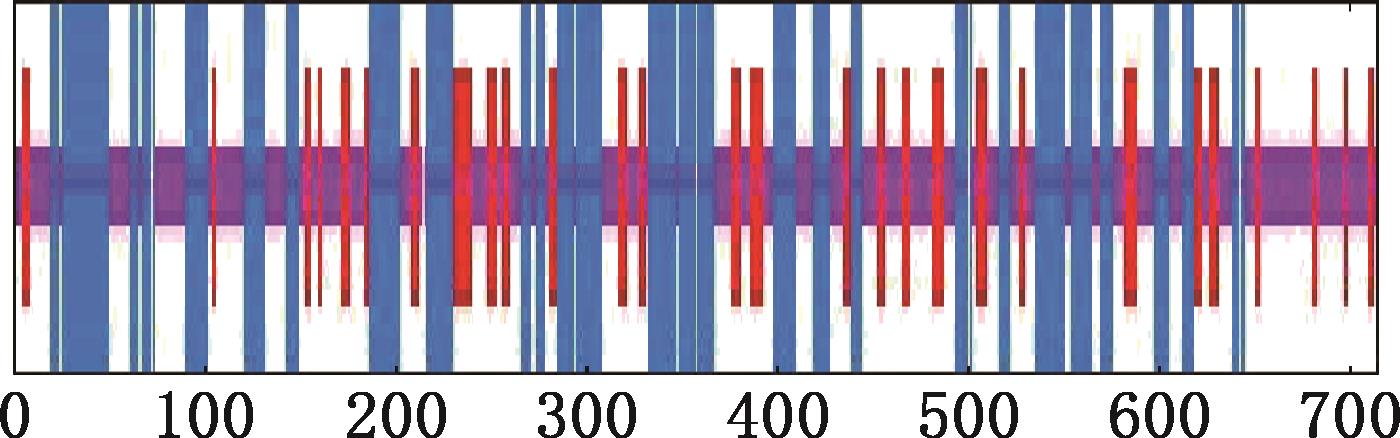
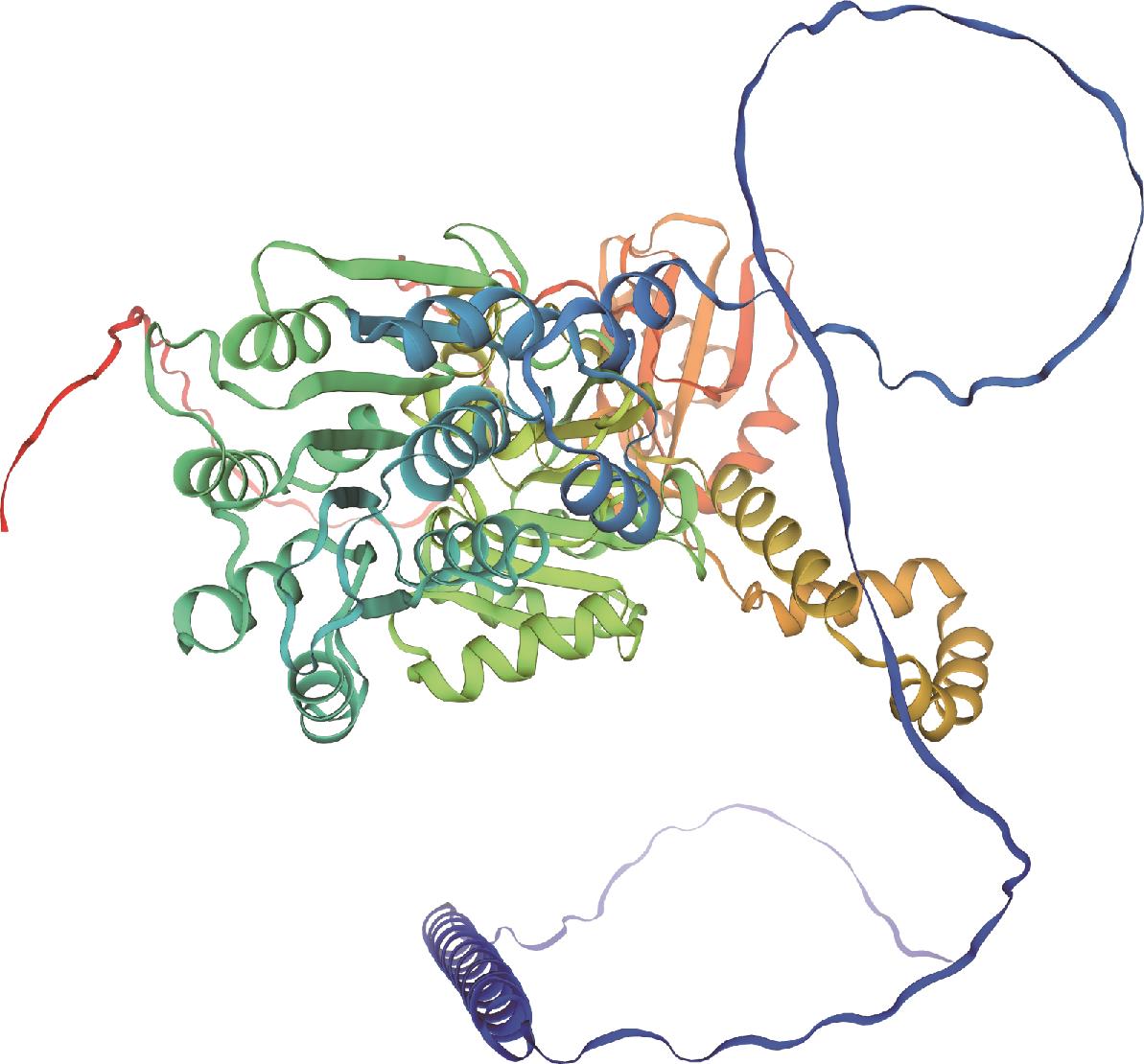
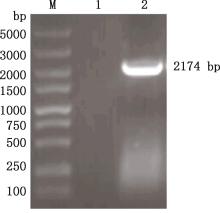
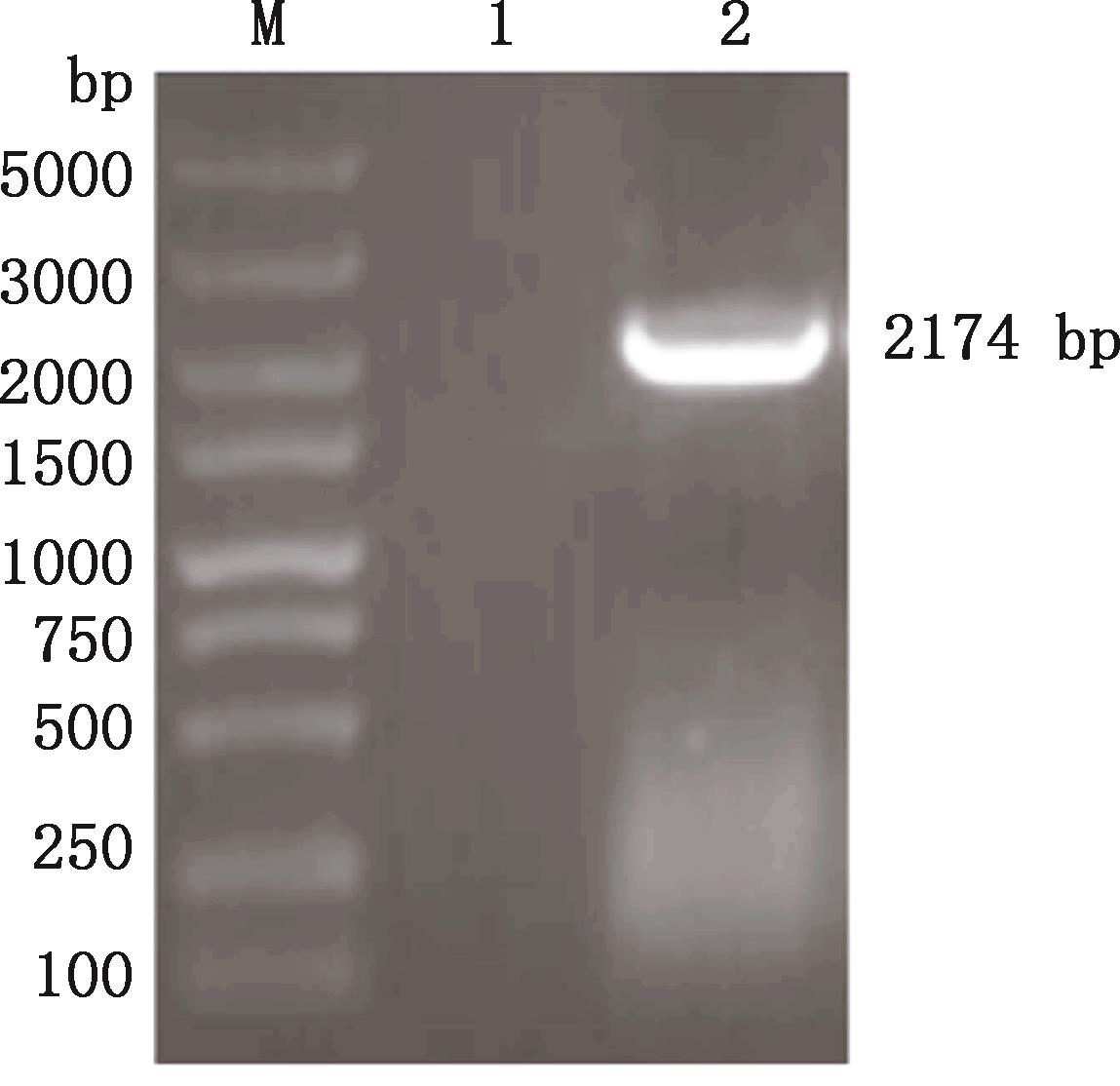
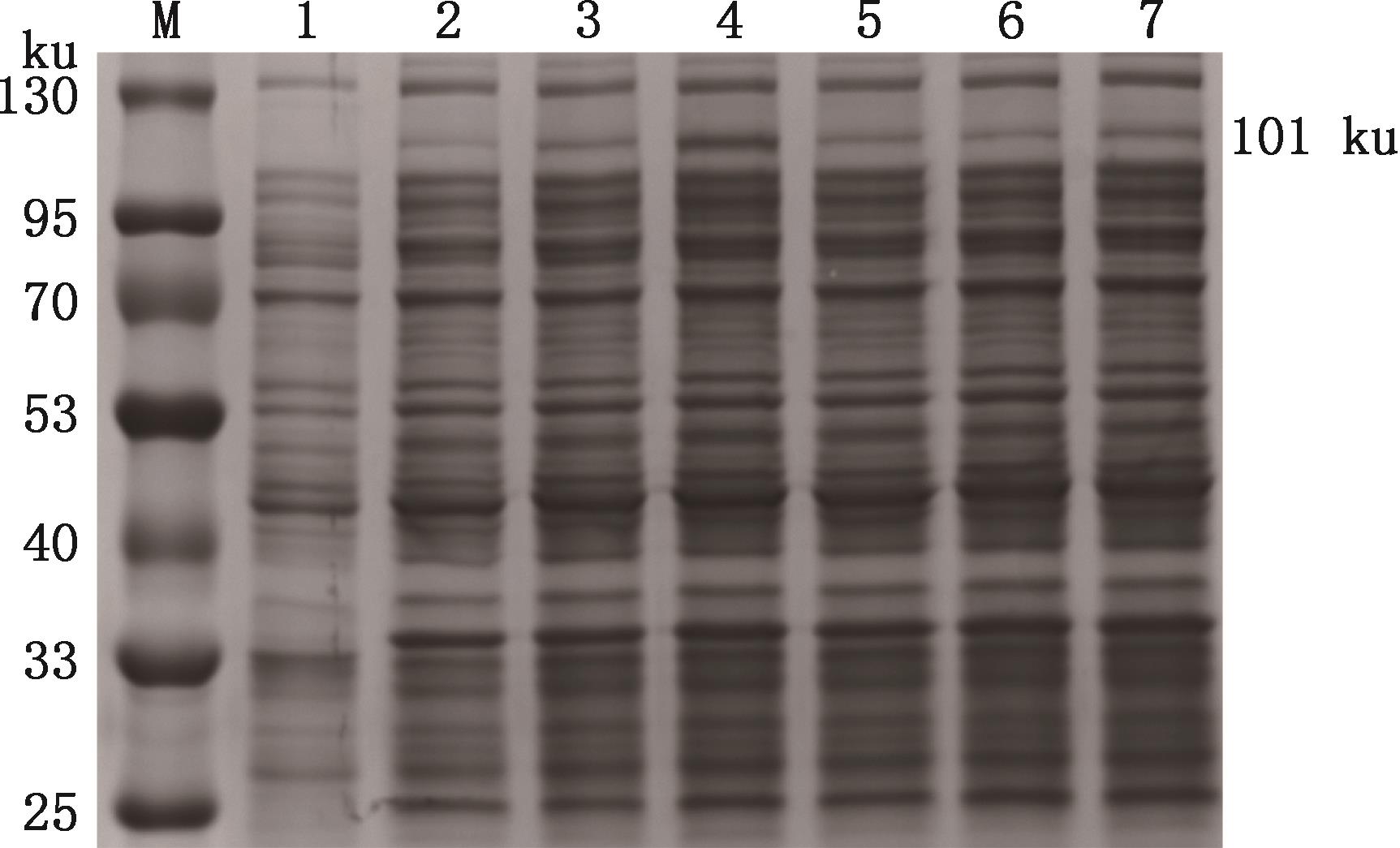
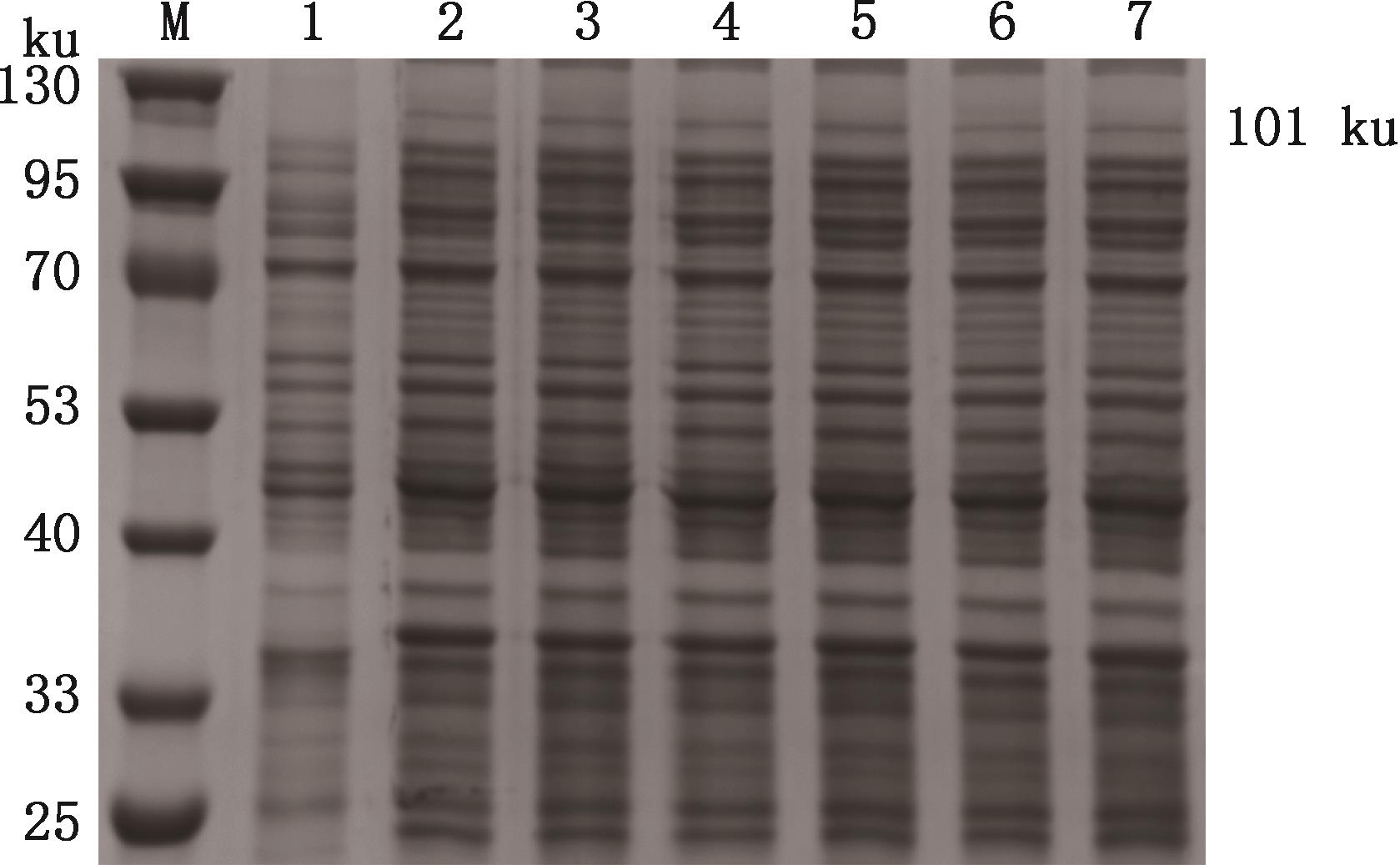
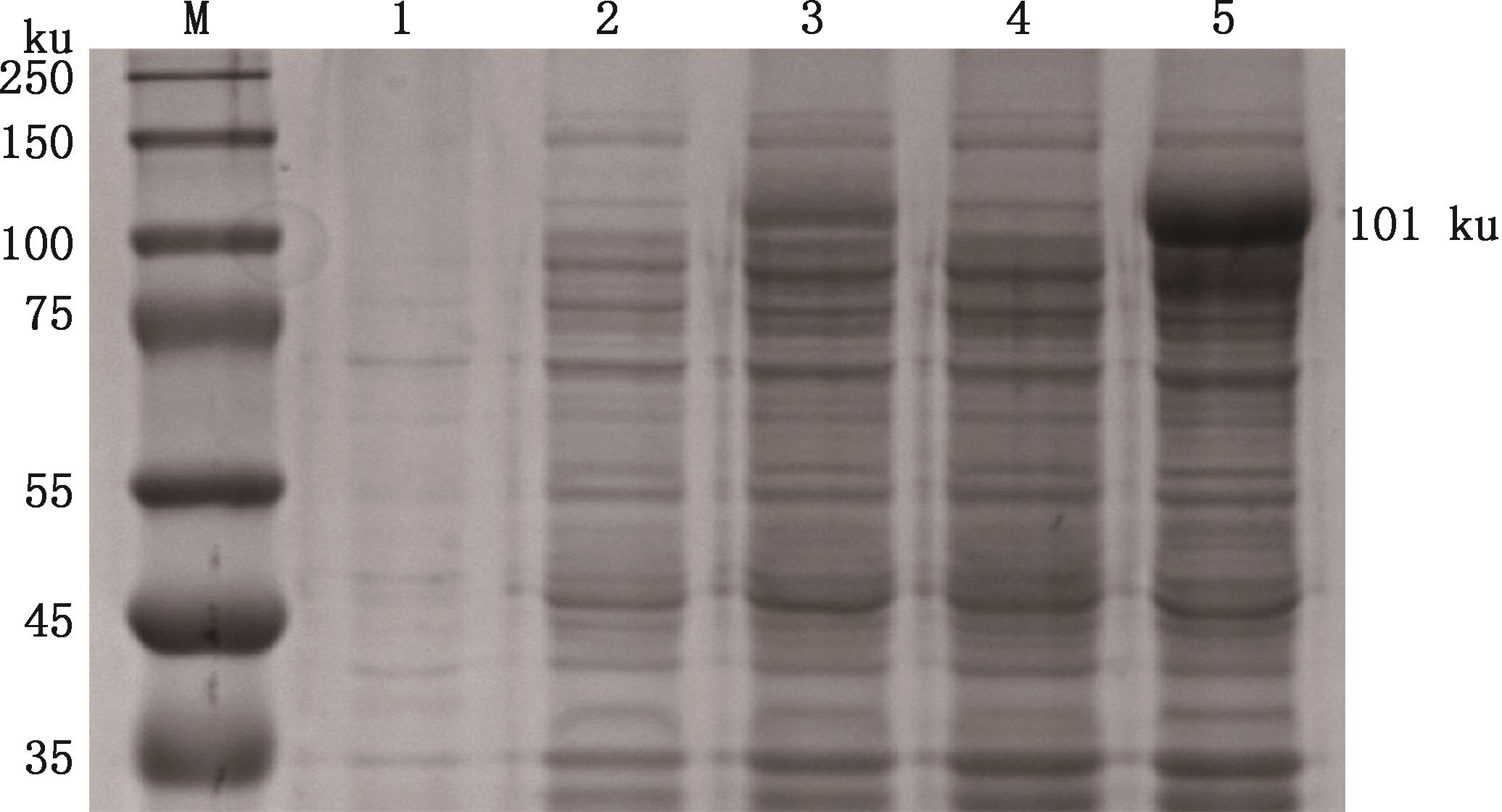
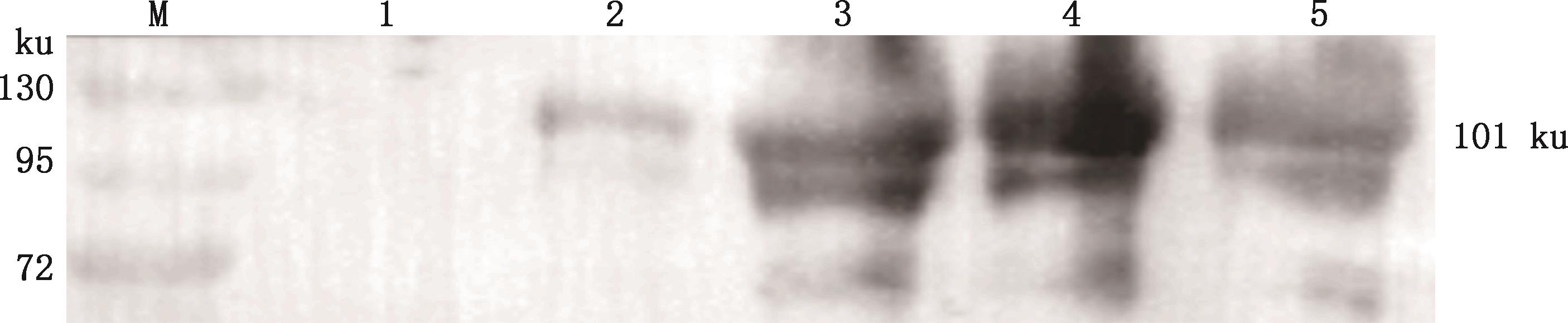
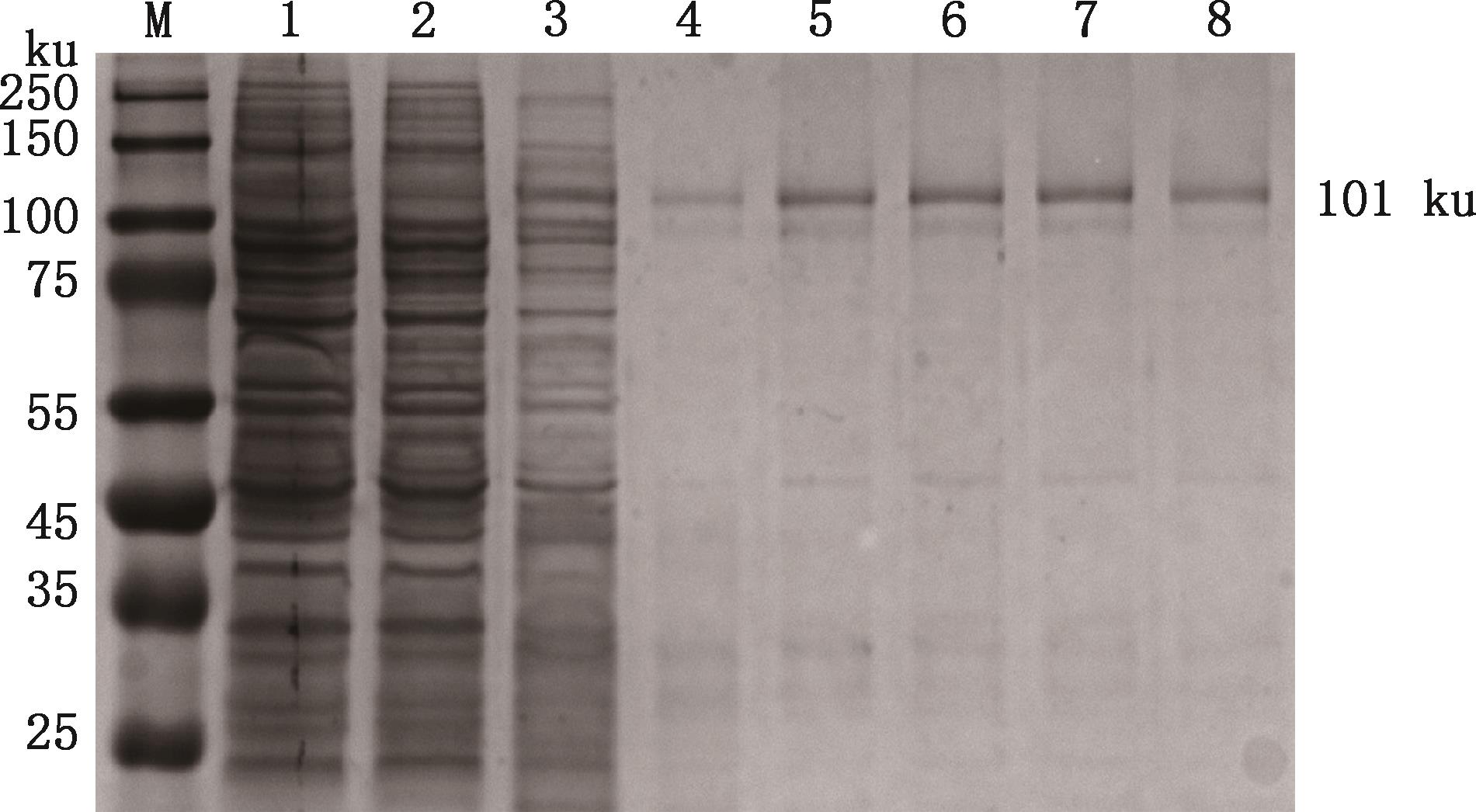
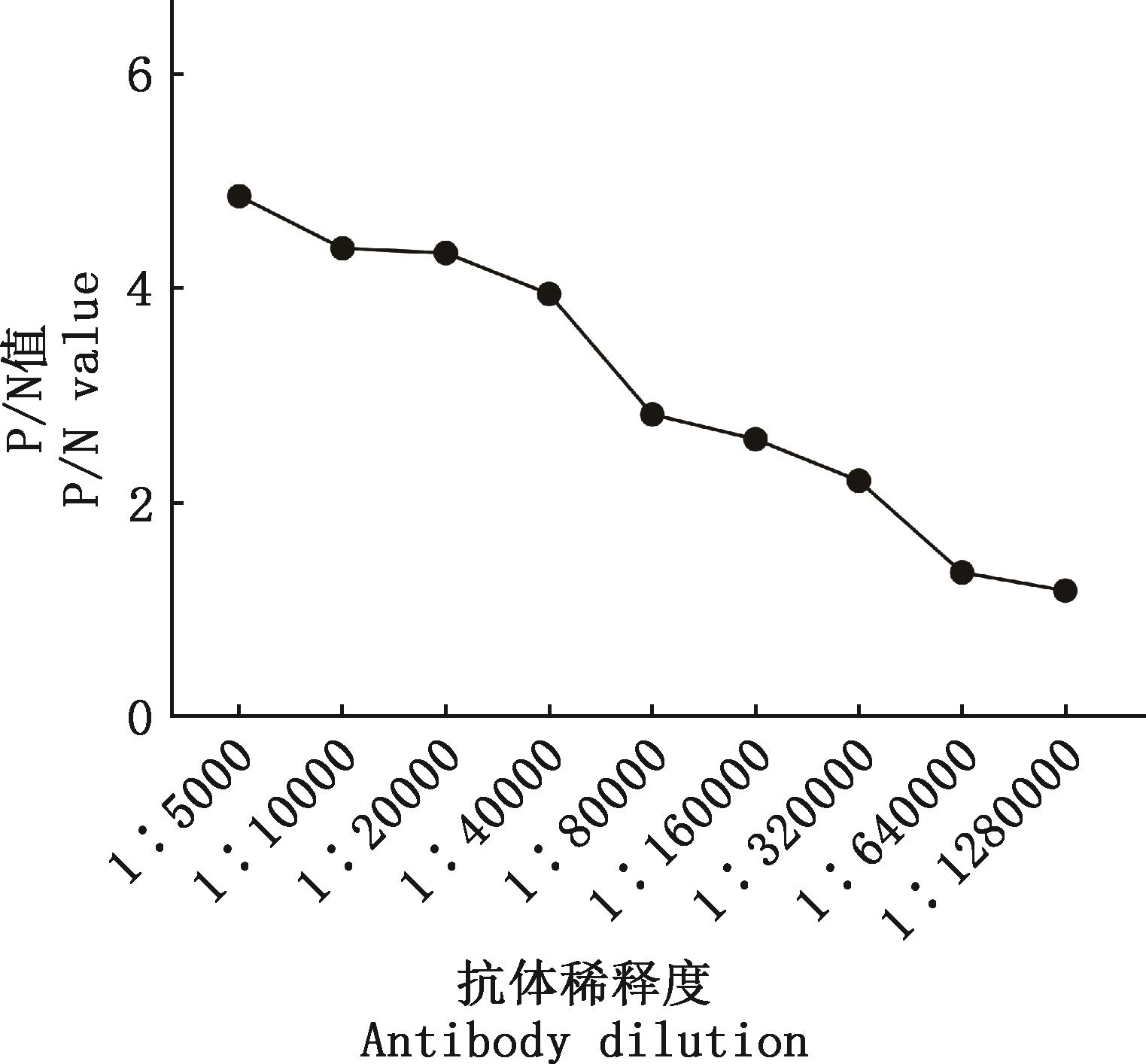
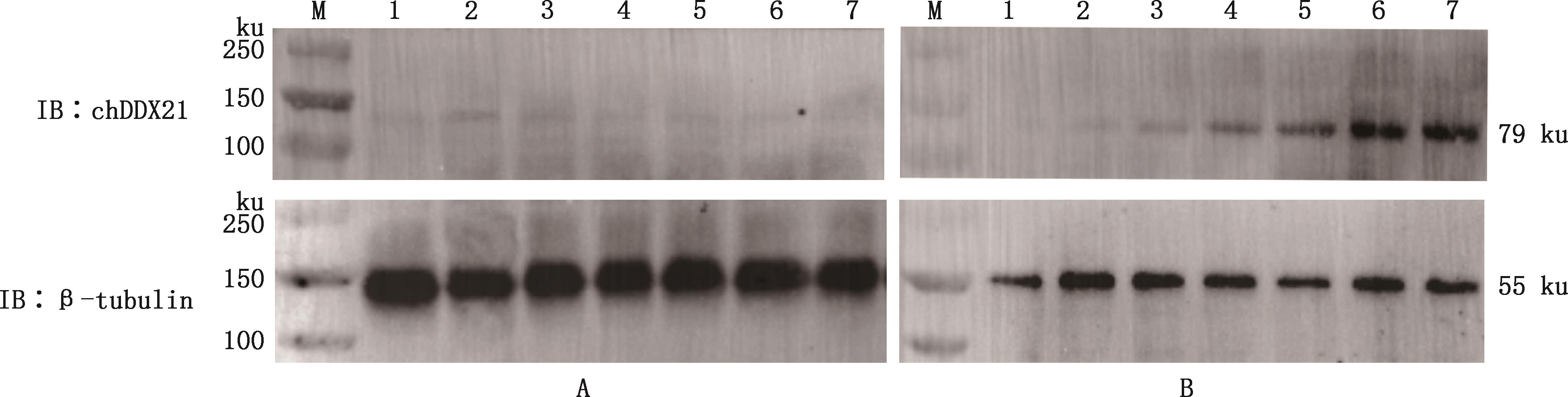
目的 研究鸡DDX21 RNA解旋酶的结构与功能,探索其是否参与H9N2亚型禽流感病毒(AIV)诱导的天然免疫反应。 方法 本研究扩增并克隆了鸡DDX21基因,通过生物信息学方法分析其基因序列;利用大肠杆菌表达系统通过IPTG诱导表达鸡DDX21重组蛋白;以纯化的重组蛋白为免疫原,制备鸡DDX21多克隆抗体,采用间接ELISA检测抗体的血清效价;应用Western blotting方法检测多克隆抗体与内源性鸡DDX21蛋白的反应情况。 结果 PCR扩增的鸡DDX21基因编码区序列为2 145 bp,编码714个氨基酸;克隆至pMD18-T载体的鸡DDX21基因经测序后的核酸序列与GenBank数据库公布的预测序列(登录号:XM_040675361.2)一致;鸡DDX21与鸟类进化关系较近,氨基酸序列相似性为68.8%~89.7%,属于禽类分支;鸡DDX21蛋白包含高度保守的DEXDc、HELICc和GUCT结构域,其蛋白三级结构与人DDX21蛋白结构模型相似性为82.71%。纯化后的鸡DDX21重组蛋白大小为101 ku,与预期相符;制备的兔抗鸡DDX21抗体血清效价达到1∶320 000,且该多克隆抗体能识别内源性鸡DDX21蛋白。鸡DDX21蛋白在H9N2亚型AIV感染鸡的多个组织中表达量上调,表明病毒感染增强鸡DDX21蛋白的表达。 结论 本研究成功克隆并分析了鸡DDX21的基因序列,制备的兔抗鸡DDX21多克隆抗体能识别内源性蛋白,为后续深入研究鸡DDX21蛋白调控Ⅰ型干扰素信号通路的分子机制奠定了基础。

关键词: 鸡; DDX21基因; 序列分析; 多克隆抗体

Abstract:

Objective This study aimed to investigate the structure and function of the chicken DDX21 RNA helicase and to explore its potential role in the innate immune response induced by H9N2 subtype Avian influenza virus (AIV). Method The chicken DDX21 gene was amplified and analyzed using bioinformatics tools. The recombinant chicken DDX21 protein was expressed in an Escherichia coli expression system through IPTG induction. Polyclonal antibody against chicken DDX21 were generated by immunizing rabbits with the purified protein. Antibody titers were quantified via indirect ELISA, and the reactivity of the polyclonal antibody to the endogenous chicken DDX21 protein was detected by Western blotting. Result The chicken DDX21 gene coding sequence (CDS) was 2 145 bp, encoding 714 amino acids. The nucleotide sequence of the chicken DDX21 gene cloned into the pMD18-T vector was verified by Sanger sequencing, and was consistent with the reference sequence available in the GenBank database (accession No.: XM_040675361.2). Amino acid sequence alignment revealed high homology between chicken DDX21 and other avian species, with similarity ranging from 68.8% to 89.7%. Phylogenetic analysis indicated that the amino acid sequence of chicken DDX21 clustered within the avian clade, exhibiting close relationships with those of avian species. The protein contained conserved DEXDc, HELICc and GUCT domains, and its tertiary structure shared a similarity of 82.71% with that of human DDX21. The molecular weight of the recombinant protein was determined to be 101 ku, aligning with expectation. The polyclonal antibody titer reached 1∶320 000, and the polyclonal antibody successfully recognized endogenous DDX21 protein. The expression level of chicken DDX21 protein was upregulated in multiple tissues of chicken infected with H9N2 subtype AIV, revealing the involvement of chicken DDX21 in the response to viral infection. Conclusion This study successfully characterized chicken DDX21 gene, and the developed polyclonal antibody recognized the endogenous chicken DDX21 protein. These findings provided a foundation for further investigation into the mechanisms of chicken DDX21 in regulating the type Ⅰ interferon signaling pathways.

Key words: chicken; DDX21 gene; sequence analysis; polyclonal antibody

中图分类号: