
中国畜牧兽医 ›› 2026, Vol. 53 ›› Issue (1): 343-358.doi: 10.16431/j.cnki.1671-7236.2026.01.031
梁丙坤1( ), 王镇2, 刘子虞3, 严达伟1, 董新星1(), 朱家位1()
修回日期:2025-08-24
出版日期:2026-01-05
发布日期:2025-12-26
通讯作者:
董新星,朱家位
E-mail:1260782074@qq.com;dong-xinxing@qq.com;896129199@qq.com
作者简介:梁丙坤,E-mail: 1260782074@qq.com
基金资助:
LIANG Bingkun1(), WANG Zhen2, LIU Ziyu3, YAN Dawei1, DONG Xinxing1(), ZHU Jiawei1()
Revised:2025-08-24
Online:2026-01-05
Published:2025-12-26
Contact:
DONG Xinxing, ZHU Jiawei
E-mail:1260782074@qq.com;dong-xinxing@qq.com;896129199@qq.com
摘要:
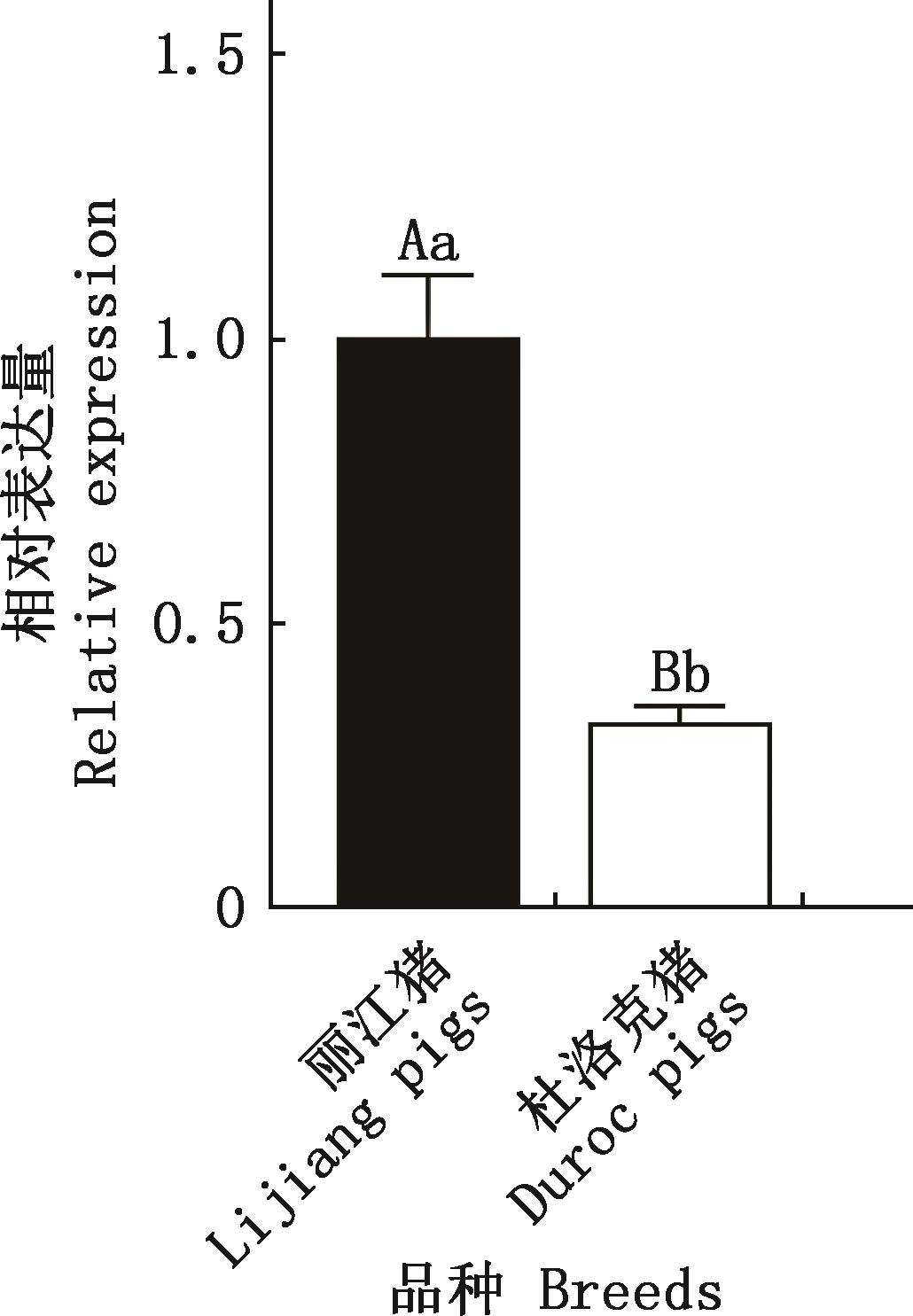
目的 本研究旨在扩增丽江猪清道夫受体B族成员2(scavenger receptor class B member 2,SCARB2)基因序列并进行生物信息学分析,检测其在丽江猪各组织中的表达情况,为后续探究该基因的功能提供理论依据。 方法 采集6月龄丽江猪脂肪组织,参考GenBank中野猪(Sus scrofa)的SCARB2基因mRNA序列(登录号:NM_001244155.1)设计引物扩增SCARB2基因CDS区序列并测序,利用生物信息学软件分析SCARB2基因的序列特征和密码子偏好性,分析多个物种与丽江猪、中外猪种与丽江猪SCARB2基因序列的相似性并构建系统进化树,预测SCARB2蛋白理化性质和蛋白结构。使用实时荧光定量PCR检测SCARB2基因在2、4、6月龄丽江猪和6月龄杜洛克猪背部脂肪、心脏、肝脏、肺脏、肾脏等组织中的表达情况。 结果 丽江猪SCARB2基因CDS区序列总长为1 437 bp,编码478个氨基酸。丽江猪与山羊、绵羊、牛、马、大鼠、小鼠、人和原鸡的相似性分别为91.3%、91.2%、91.0%、89.8%、82.6%、82.5%、76.0%和66.0%;在6个地方猪种中,除巴马小型猪外,丽江猪与中国地方猪的相似性均为99.4%,与外种猪的相似性为99.1%~99.3%。系统进化树分析显示,丽江猪与野猪、牛、山羊、绵羊聚为一支,原鸡形成单独分支。丽江猪SCARB2蛋白属于亲水蛋白,有2个跨膜螺旋和1个信号肽切割位点,包含10个N-糖基化位点和39个磷酸化位点;其二级结构与三级结构均以无规则卷曲为主。SCARB2基因在6月龄丽江猪背部脂肪和肝脏组织中的表达量极显著高于其他组织(P<0.01);随着月龄增长,SCARB2基因在丽江猪腹部脂肪、背部脂肪和肩部脂肪组织中的表达量逐渐升高,且在2、6月龄间达显著或极显著水平(P<0.05;P<0.01);6月龄丽江猪背部脂肪组织中SCARB2基因表达量极显著高于杜洛克猪(P<0.01)。 结论 本研究成功扩增了丽江猪SCARB2基因序列并分析了其分子特征,其在皮下脂肪、肝脏和肺脏等多个组织中均有表达,且随月龄增长在皮下脂肪组织中的表达量呈显著增加。因此,SCARB2可作为研究丽江猪脂肪沉积性状的候选基因,研究结果可为进一步探究猪脂肪沉积的分子机制提供参考。
中图分类号:
梁丙坤, 王镇, 刘子虞, 严达伟, 董新星, 朱家位. 丽江猪SCARB2基因序列特征及组织表达分析[J]. 中国畜牧兽医, 2026, 53(1): 343-358.
LIANG Bingkun, WANG Zhen, LIU Ziyu, YAN Dawei, DONG Xinxing, ZHU Jiawei. Sequence Characteristics and Tissue Expression of SCARB2 Gene in Lijiang Pigs[J]. China Animal Husbandry & Veterinary Medicine, 2026, 53(1): 343-358.
表1
各阶段丽江猪和杜洛克猪体重"
猪种 Pig breeds | 月龄 Months | 体重 Body weight/kg |
|---|---|---|
| 丽江猪 Lijiang pigs | 2 | 14.16±0.29 |
| 4 | 35.00±2.00 | |
| 6 | 60.50±2.65 | |
| 杜洛克猪 Duroc pigs | 6 | 131.00±2.65 |
表2
不同物种SCARB2基因登录号"
物种 Species | Ensembl基因ID Ensembl gene ID | 物种 Species | GenBank登录号 GenBank accession No. |
|---|---|---|---|
| 八眉猪 Bamei pigs | ENSSSCT00050095439.1 | 欧亚野猪 Sus scrofa | NM_001244155.1 |
| 巴马小型猪 Bama Miniature pigs | ENSSSCT00085059484.1 | 人 Homo sapiens | NM_001204255.2 |
| 藏猪 Tibetan pigs | ENSSSCT00015058019.1 | 大鼠 Rattus norvegicus | NM_054001.2 |
| 金华猪 Jinhua pigs | ENSSSCT00060020456.1 | 小鼠 Mus musculus | NM_007644.4 |
| 梅山猪 Meishan pigs | ENSSSCT00040096134.1 | 牛 Bos taurus | NM_001102153.1 |
| 五指山猪 Wuzhishan pigs | ENSSSCT00005062544.1 | 山羊 Capra hircus | XM_005681792.3 |
| 奥赛博小型猪 Ossabaw Miniature pigs | ENSSSCT00130033168.1 | 绵羊 Ovis aries | XM_015096290.3 |
| 巴克夏猪 Berkshire pigs | ENSSSCT00065107117.1 | 原鸡 Gallus gallus | XM_420593.8 |
| 大白猪 Large White pigs | ENSSSCT00025026478.1 | 马 Equus caballus | XM_023637936.1 |
| 杜洛克猪 Duroc pigs | ENSSSCT00090022610.1 | 兔 Oryctolagus cuniculus | XM_002717104.4 |
| 汉普夏猪 Hampshire pigs | ENSSSCT00035105054.1 | 犬 Canis lupus familiaris | XM_038443859.1 |
| 皮特兰猪 Pietran pigs | ENSSSCT00055016304.1 | ||
| 长白猪 Landrace pigs | ENSSSCT00045022417.1 |
表3
在线软件网址信息及用途"
在线软件 Online software | 网址 Website | 用途 Application |
|---|---|---|
| OFR Finder | https://www.ncbi.nlm.nih.gov/orffinder/ | 开放阅读框(ORF)分析 |
| BLAST | https://blast.ncbi.nlm.nih.gov/Blast.cgi | 相似性比对 |
| ProtParam | https://web.expasy.org/protparam/ | 理化性质分析 |
| ProtScale | https://web.expasy.org/protscale/ | 亲/疏水性预测 |
| SignalP 5.0 | https://services.healthtech.dtu.dk/service.php?SignalP-5.0 | 信号肽预测 |
| TMHMM 2.0 | https://services.healthtech.dtu.dk/service.php?TMHMM-2.0 | 跨膜结构预测 |
| NetNGlyc 1.0 | https://services.healthtech.dtu.dk/services/NetNGlyc-1.0/ | 糖基化位点预测 |
| NetPhos 3.1 | https://services.healthtech.dtu.dk/service.php?NetPhos-3.1 | 磷酸化位点预测 |
| PSORT Ⅱ | https://www.genscript.com/psort.html | 亚细胞定位预测 |
| STRING 12.0 | https://string-db.org/ | 互作网络预测 |
| SOPMA | https://npsa-pbil.ibcp.fr/cgi-bin/npsa_automat.pl?page=npsa_sopma.html | 二级结构预测 |
| SWISS-MODEL | https://swissmodel.expasy.org/ | 三级结构预测 |
表4
实时荧光定量PCR引物"
基因 Genes | 引物序列 Primer sequences (5′→3′) | 产物长度 Product length/bp |
|---|---|---|
| SCARB2 | F:AAGTCGCCTGAAGTCTGTGG | 145 |
| R:GTCTGCAGTTCCCTCATCCA | ||
| GAPDH | F:GACATCAAGAAGGTGGTGAAGCA | 177 |
| R:GTCGTACCAGGAAATGAGCTTGA |
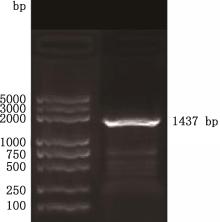
图1
丽江猪SCARB2基因CDS区PCR扩增结果"
表5
各物种SCARB2基因密码子偏好性相关参数"
物种 Species | 密码子适应指数 CAI | 有效密码子数 ENc | 密码子偏好性指数 CBI | 最佳密码子使用频率 FOP | GC | GC3s |
|---|---|---|---|---|---|---|
| 丽江猪 Lijiang pigs | 0.216 | 53.30 | 0.043 | 0.436 | 0.482 | 0.577 |
| 野猪 Sus scrofa | 0.220 | 53.19 | 0.047 | 0.438 | 0.479 | 0.568 |
| 人 Homo sapiens | 0.204 | 54.71 | -0.017 | 0.407 | 0.466 | 0.516 |
| 大鼠 Rattus norvegicus | 0.209 | 53.79 | -0.003 | 0.414 | 0.471 | 0.555 |
| 小鼠 Mus musculus | 0.211 | 54.06 | 0.025 | 0.427 | 0.474 | 0.570 |
| 牛 Bos taurus | 0.140 | 52.83 | -0.053 | 0.373 | 0.469 | 0.448 |
| 山羊 Capra hircus | 0.214 | 52.77 | 0.027 | 0.432 | 0.461 | 0.527 |
| 绵羊 Ovis aries | 0.218 | 52.55 | 0.043 | 0.441 | 0.460 | 0.527 |
| 原鸡 Gallus gallus | 0.219 | 54.46 | -0.037 | 0.386 | 0.450 | 0.438 |
| 马 Equus caballus | 0.196 | 52.67 | 0.009 | 0.418 | 0.467 | 0.543 |
| 兔 Oryctolagus cuniculus | 0.221 | 49.86 | 0.081 | 0.459 | 0.517 | 0.660 |
| 犬 Canis lupus familiaris | 0.200 | 52.55 | -0.018 | 0.406 | 0.455 | 0.516 |
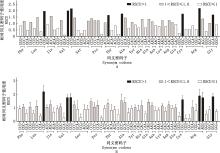
图2
丽江猪与其他物种SCARB2基因RSCU值A,丽江猪SCARB2基因RSCU值;B,12个物种SCARB2基因RSCU平均值"

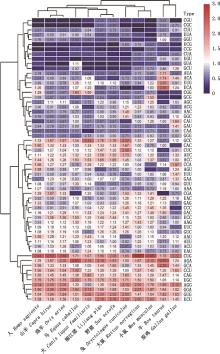
图3
各物种SCARB2基因密码子聚类分析"

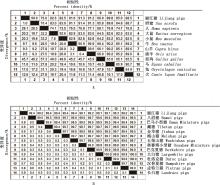
图4
不同物种(A)和猪种(B)间SCARB2基因序列相似性"

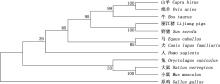
图5
SCARB2基因在不同物种间的系统进化树"
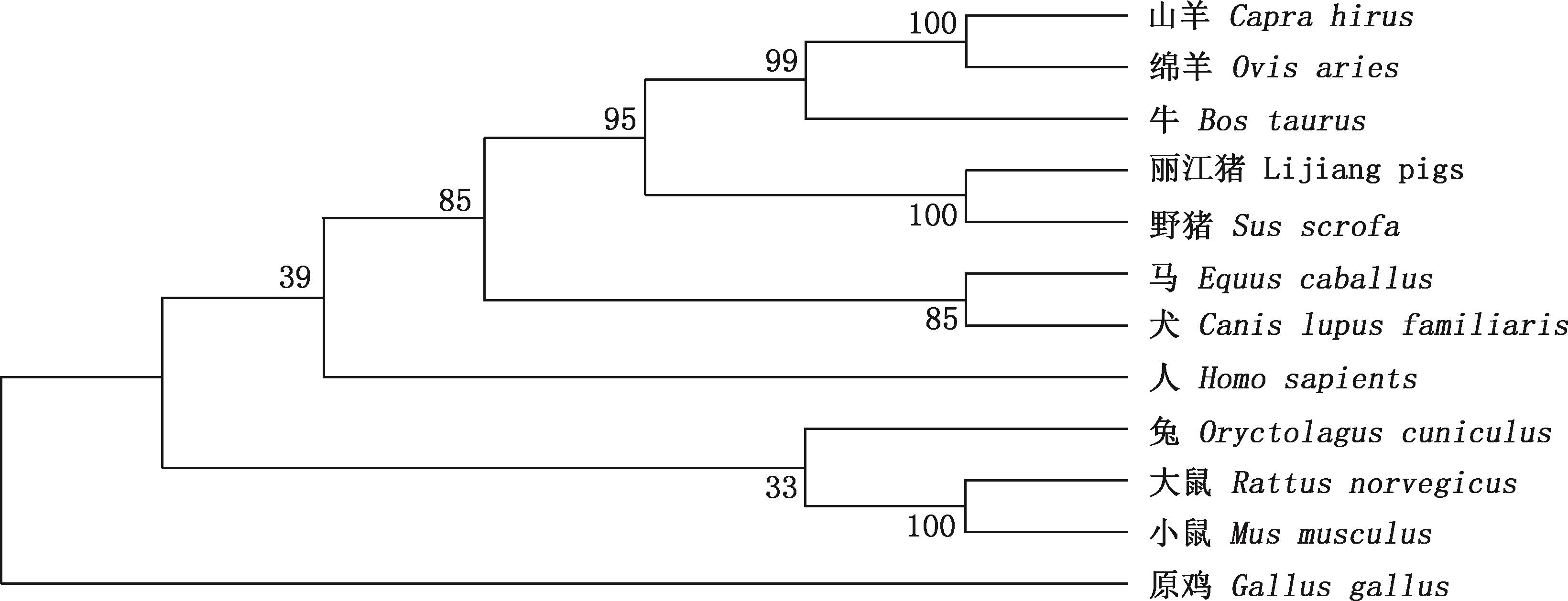
表6
丽江猪SCARB2蛋白氨基酸组成"
氨基酸 Amino acids | 数量 Number/个 | 比例 Proportion/% | 氨基酸 Amino acids | 数量 Number/个 | 比例 Proportion/% |
|---|---|---|---|---|---|
| 丙氨酸 Ala(A) | 25 | 5.23 | 亮氨酸 Leu(L) | 49 | 10.25 |
| 精氨酸 Arg(R) | 22 | 4.60 | 赖氨酸 Lys(K) | 23 | 4.81 |
| 天冬酰胺 Asn(N) | 28 | 5.86 | 蛋氨酸 Met(M) | 8 | 1.67 |
| 天冬氨酸 Asp(D) | 29 | 6.07 | 苯丙氨酸 Phe(F) | 29 | 6.07 |
| 半胱氨酸 Cys(C) | 8 | 1.67 | 脯氨酸 Pro(P) | 23 | 4.81 |
| 谷氨酰胺 Gln(Q) | 9 | 1.88 | 丝氨酸 Ser(S) | 25 | 5.23 |
| 谷氨酸 Glu(E) | 28 | 5.86 | 苏氨酸 Thr(T) | 34 | 7.11 |
| 甘氨酸 Gly(G) | 31 | 6.49 | 色氨酸 Trp(W) | 7 | 1.46 |
| 组氨酸 His(H) | 6 | 1.26 | 酪氨酸 Tyr(Y) | 20 | 4.18 |
| 异亮氨酸 Ile(I) | 36 | 7.53 | 缬氨酸 Val(V) | 38 | 7.95 |
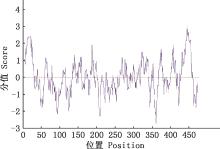
图6
丽江猪SCARB2蛋白亲/疏水性预测"
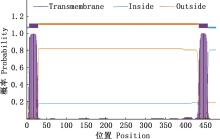
图7
丽江猪SCARB2蛋白跨膜区预测"
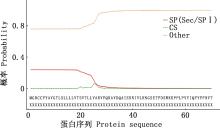
图8
丽江猪SCARB2蛋白信号肽预测"
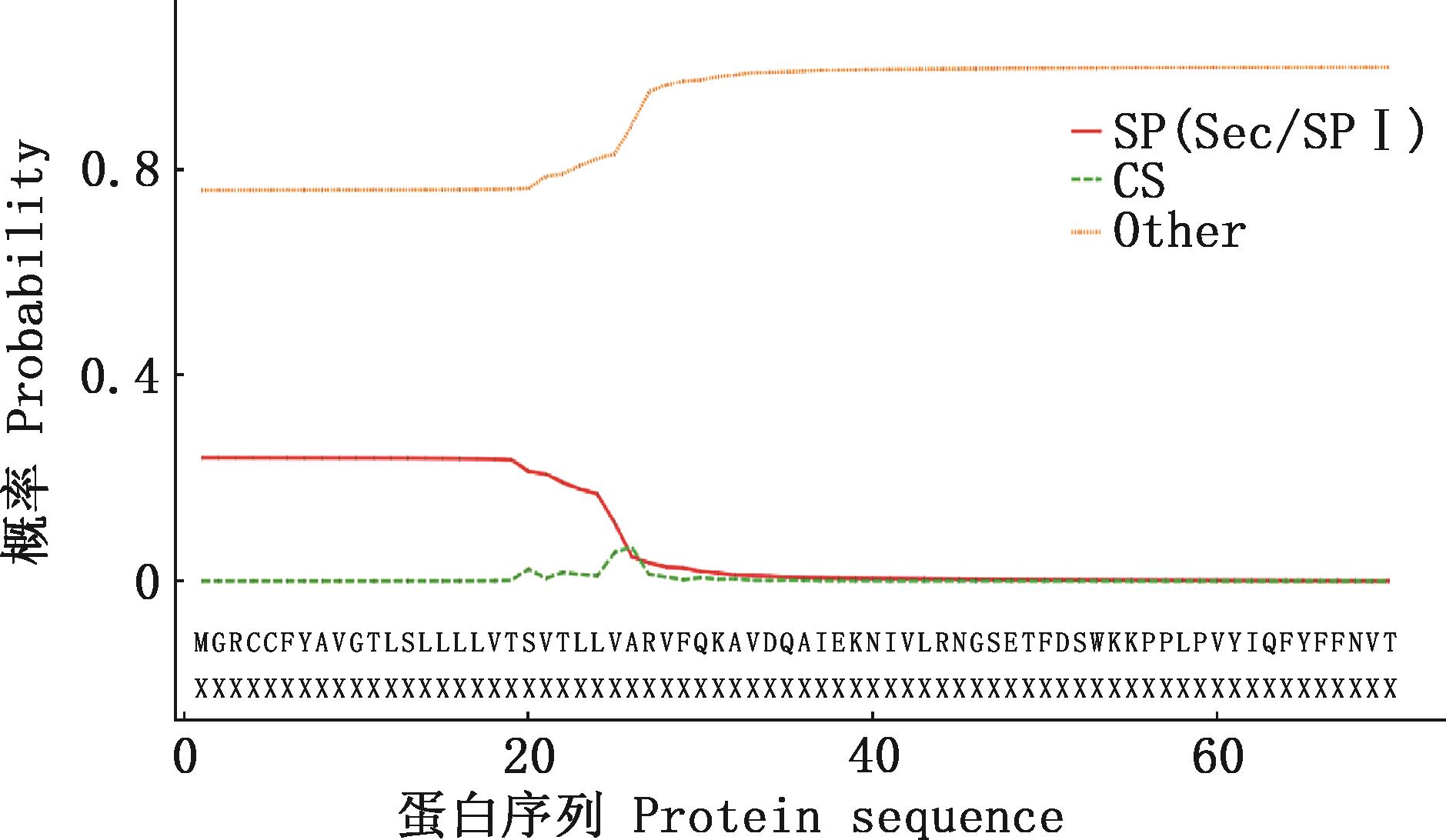
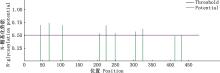
图9
丽江猪SCARB2蛋白N-糖基化位点预测"
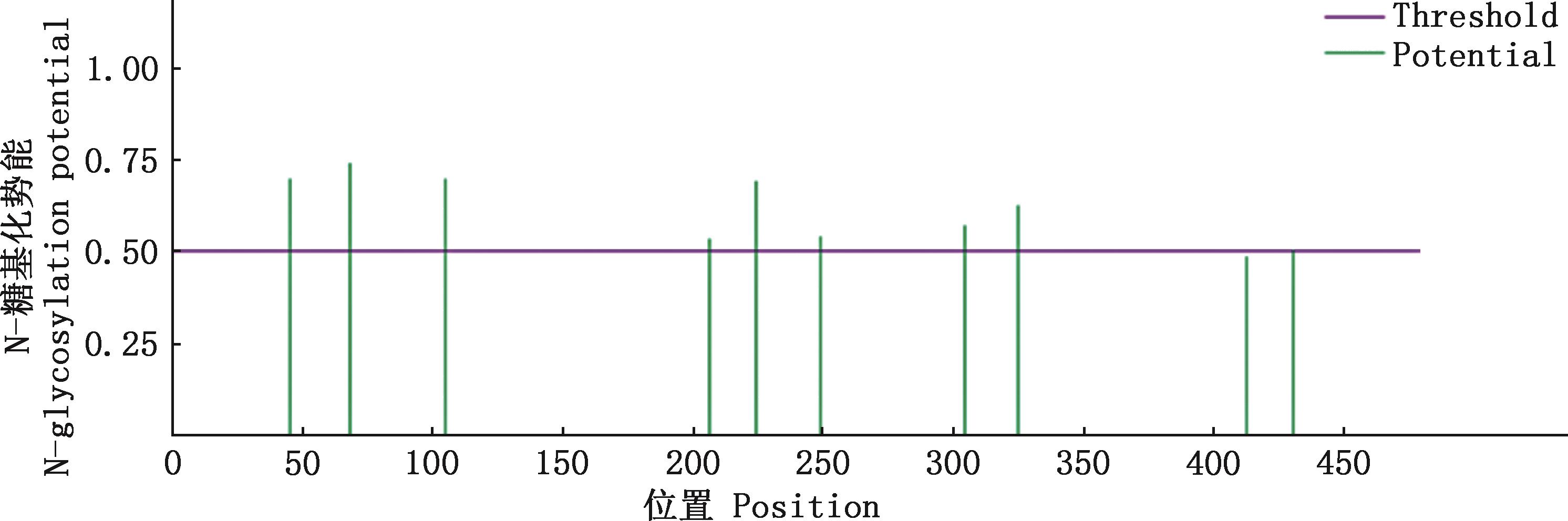
图10
丽江猪SCARB2蛋白磷酸化位点预测"
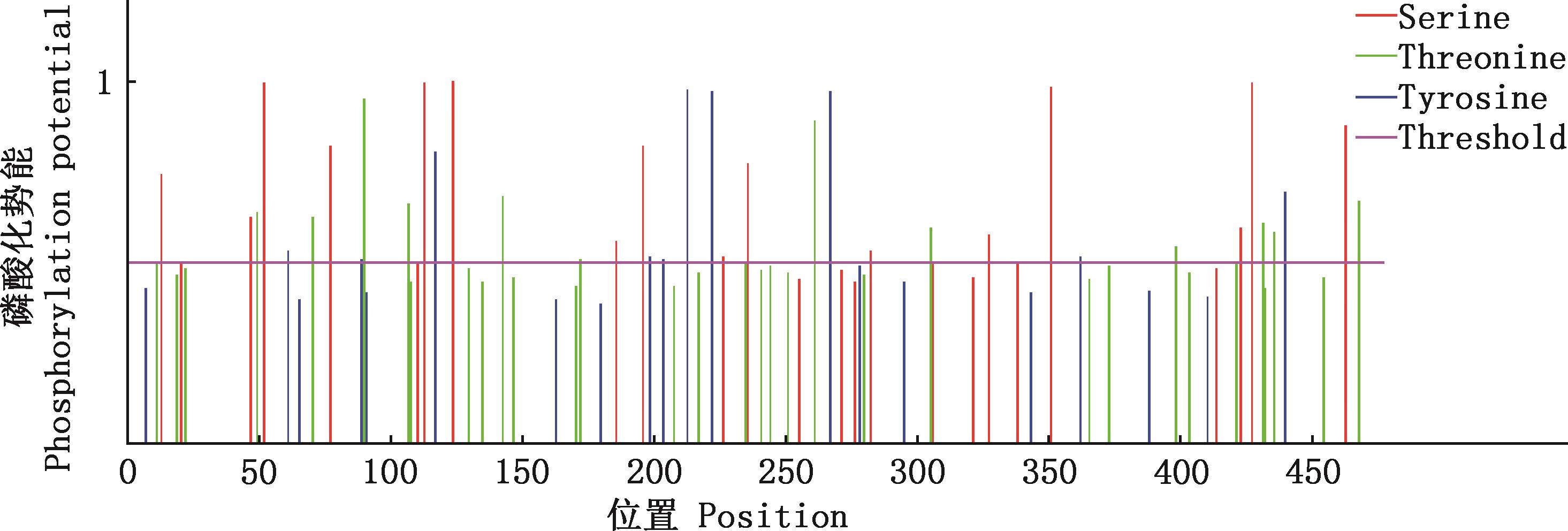
图11
丽江猪SCARB2蛋白二级结构(A)及三级结构(B)预测h,α-螺旋;c,无规则卷曲;t,β-转角;e,延伸链"

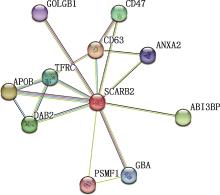
图12
丽江猪SCARB2蛋白互作网络预测"
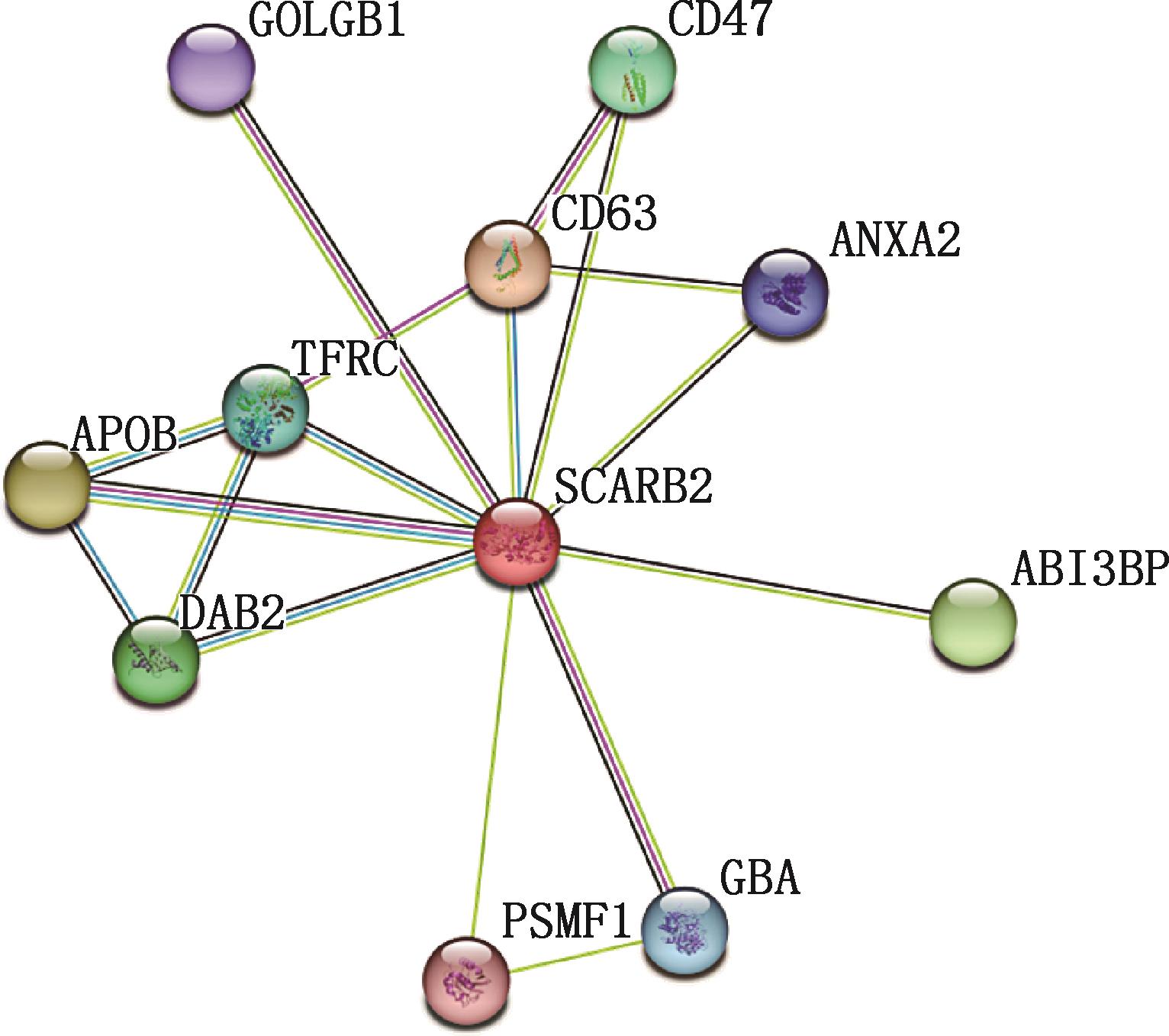
图13
丽江猪SCARB2基因组织表达谱肩标不同小写字母表示差异显著(P<0.05);肩标不同大写字母表示差异极显著(P<0.01);肩标相同字母表示差异不显著(P>0.05)。下同"
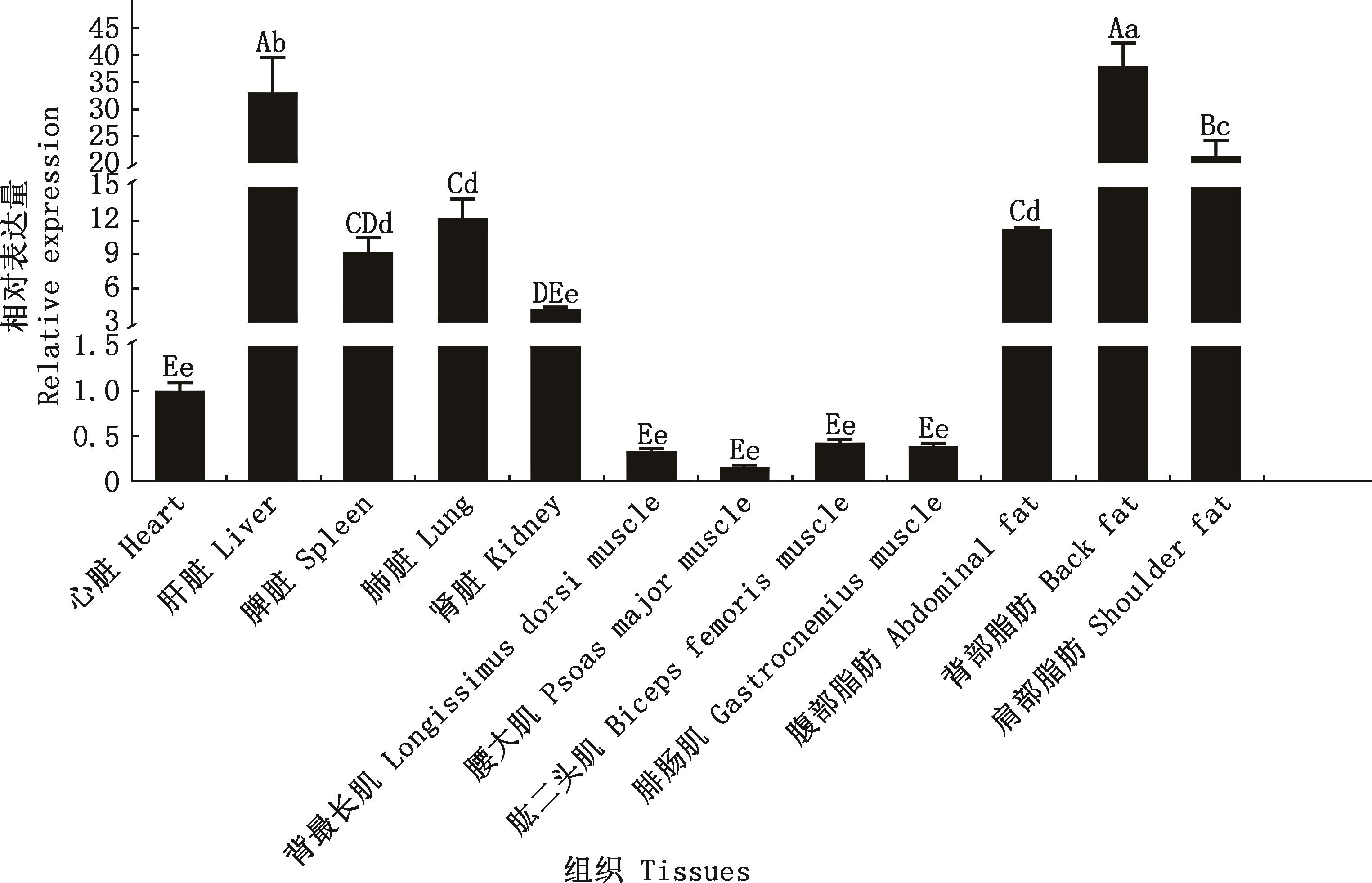
图14
不同生长时期丽江猪脂肪组织中SCARB2基因相对表达量"
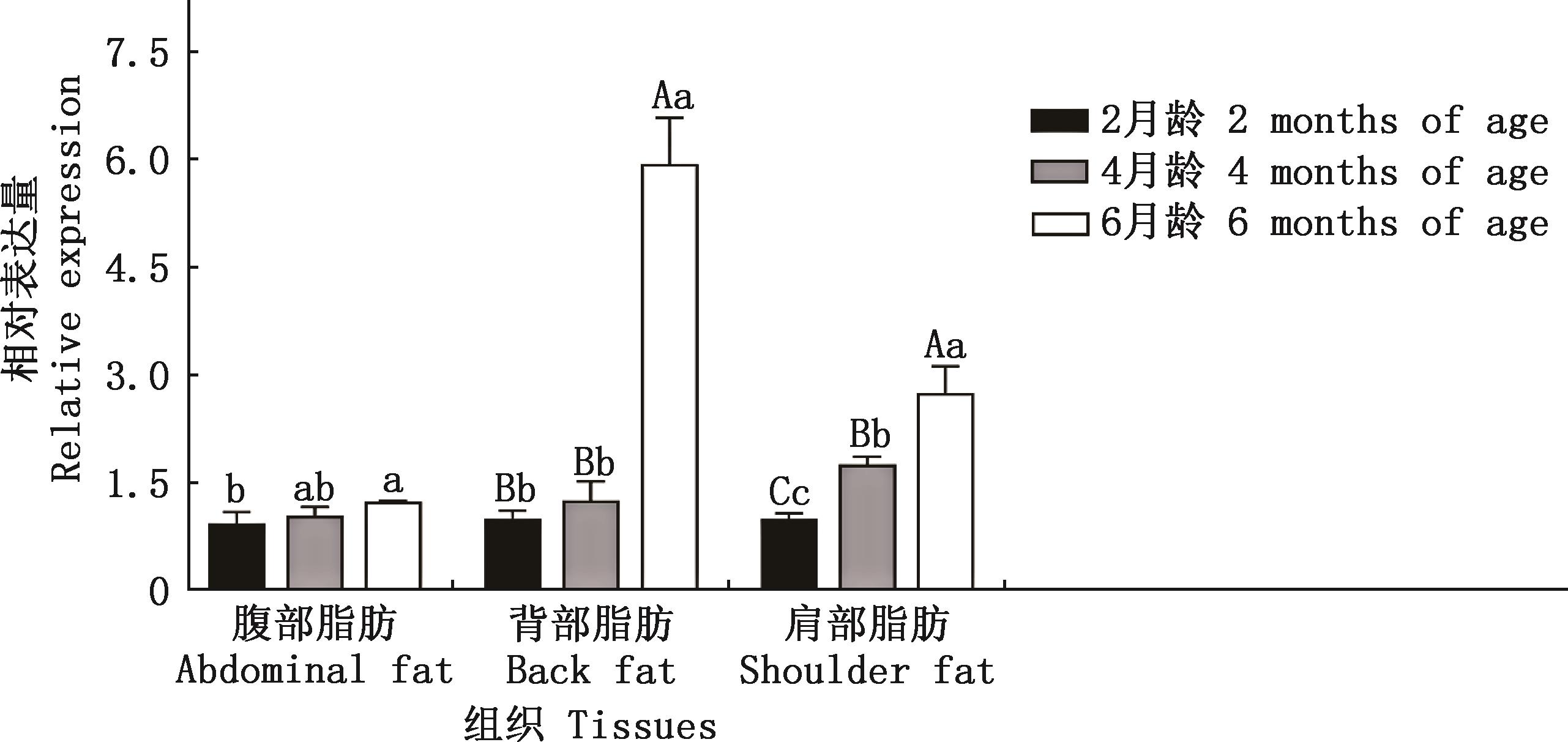
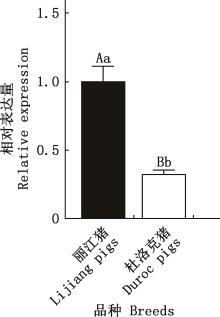
图15
6月龄丽江猪和杜洛克猪背部皮下脂肪SCARB2基因表达差异"
| [1] | WANG D, HUANG J, GUI T, et al. SR-BⅠ as a target of natural products and its significance in cancer[J]. Seminars in Cancer Biology, 2022, 80:18-38. |
| [2] | 张 敏. 青岛文昌鱼一种清道夫受体基因的鉴定、进化和功能研究[D]. 青岛:中国海洋大学, 2012. |
| ZHANG M. Characterization, evolution and functional analysis of one of the scavenger receptor in amphioxus Branchiostoma japonicum [D]. Qingdao: Ocean University of China, 2012. (in Chinese) | |
| [3] | KIM J W, ZHAO S H, UTHE J J, et al. Assignment of the scavenger receptor class B, member 2 gene (SCARB2) to porcine chromosome 8q11->q12 by somatic cell and radiation hybrid panel mapping[J]. Cytogenetic and Genome Research, 2006, 112(3-4):342H. |
| [4] | ALTUZAR J, NOTBOHM J, STEIN F, et al. Lysosome-targeted multifunctional lipid probes reveal the sterol transporter NPC1 as a sphingosine interactor[J]. Proceedings of the National Academy of Sciences of the United States of America, 2023, 120(11):e2213886120. |
| [5] | VEGA M A, SEGUÍ-REAL B, GARCÍA J A, et al. Cloning, sequencing, and expression of a cDNA encoding rat LIMPⅡ, a novel 74 kDa lysosomal membrane protein related to the surface adhesion protein CD36[J]. Journal of Biological Chemistry, 1991, 266(25):16818-16824. |
| [6] | TABUCHI N, AKASAKI K, TSUJI H. Distribution of a major lysosomal membrane glycoprotein, LGP85/LIMP Ⅱ, in rat tissues[J]. Biological & Pharmaceutical Bulletin, 2000, 23(4):394-396. |
| [7] | RUDNIK S, HEYBROCK S, COYAUD E, et al. The lysosomal lipid transporter LIMP-2 is part of lysosome-ER STARD3-VAPB-dependent contact sites[J]. Journal of Cell Science, 2024, 137(22):jcs261810. |
| [8] | MENG Y, HEYBROCK S, NECULAI D, et al. Cholesterol handling in lysosomes and beyond[J]. Trends in Cell Biology, 2020, 30(6):452-466. |
| [9] | CONRAD K S, CHENG T W, YSSELSTEIN D, et al. Lysosomal integral membrane protein-2 as a phospholipid receptor revealed by biophysical and cellular studies[J]. Nature Communications, 2017, 8(1):1908. |
| [10] | EBNER M, FRÖHLICH F, HAUCKE V. Mechanisms and functions of lysosomal lipid homeostasis[J]. Cell Chemical Biology, 2025, 32(3):392-407. |
| [11] | WEBB N R, CONNELL P M, GRAF G A, et al. SR-BⅡ, an isoform of the scavenger receptor BⅠ containing an alternate cytoplasmic tail, mediates lipid transfer between high density lipoprotein and cells[J]. Journal of Biological Chemistry, 1998, 273(24):15241-15248. |
| [12] | HEYBROCK S, KANERVA K, MENG Y, et al. Lysosomal integral membrane protein-2 (LIMP-2/SCARB2) is involved in lysosomal cholesterol export[J]. Nature Communications, 2019, 10(1):3521. |
| [13] | ROBICHAUD S, FAIRMAN G, VIJITHAKUMAR V, et al. Identification of novel lipid droplet factors that regulate lipophagy and cholesterol efflux in macrophage foam cells[J]. Autophagy, 2021, 17(11):3671-3689. |
| [14] | SUN L, YU F, YI F, et al. Acteoside from Ligustrum robustum (Roxb.) blume ameliorates lipid metabolism and synthesis in a HepG2 cell model of lipid accumulation[J]. Frontiers in Pharmacology, 2019, 10:602. |
| [15] | ZOU Y, PEI J, WANG Y, et al. The deficiency of SCARB2/LIMP-2 impairs metabolism via disrupted mTORC1-dependent mitochondrial OXPHOS[J]. International Journal of Molecular Sciences, 2022, 23(15):8634. |
| [16] | 孟 颖. B族清道夫受体SR-B1和LIMP-2介导胆固醇转运的机制研究[D]. 杭州: 浙江大学, 2020. |
| MENG Y. Dissecting the SR-B1 and LIMP-2 roles in cholesterol transport[D]. Hangzhou: Zhejiang University, 2020. (in Chinese) | |
| [17] | 段 婕,连林生,袁跃云,等. 丽江猪屠宰、胴体组成及肉质特性研究[J]. 养猪, 2014, 2:49-51. |
| DUAN J, LIAN L S, YUAN Y Y, et al. Study on dressing percentage and carcass composition and meat quality characteristic of Lijiang pig[J]. Swine Production, 2014, 2:49-51. (in Chinese) | |
| [18] | LAN Y, YAN D, LI X, et al. Muscle growth differences in Lijiang pigs revealed by ATAC-Seq multi-omics[J]. Frontiers in Veterinary Science, 2024, 11:1431248. |
| [19] | DOBERT J P, SCHÄFER J H, MASO T DAL, et al. Cryo-TEM structure of β-glucocerebrosidase in complex with its transporter LIMP-2[J]. Nature Communications, 2025, 16(1):3074. |
| [20] | TULLER T, WALDMAN Y Y, KUPIEC M, et al. Translation efficiency is determined by both codon bias and folding energy[J]. Proceedings of the National Academy of Sciences of the United States of America, 2010, 107(8):3645-3650. |
| [21] | TATARINOVA T V, ALEXANDROV N N, BOUCK J B, et al. GC3 biology in corn, rice, sorghum and other grasses[J]. BMC Genomics, 2010, 11:308. |
| [22] | ZHANG S, HUANG Y, ZHENG C, et al. Leucine improves the growth performance, carcass traits, and lipid nutritional quality of pork in Shaziling pigs[J]. Meat Science, 2024, 210:109435. |
| [23] | WILKE C O, DRUMMOND D A. Signatures of protein biophysics in coding sequence evolution[J]. Current Opinion in Structural Biology, 2010, 20(3):385-389. |
| [24] | LUPAS A, VAN DYKE M, STOCK J. Predicting coiled coils from protein sequences[J]. Science, 1991, 252(5009):1162-1164. |
| [25] | RECZEK D, SCHWAKE M, SCHRÖDER J, et al. LIMP-2 is a receptor for lysosomal mannose-6-phosphate-independent targeting of beta-glucocerebrosidase[J]. Cell, 2007, 131(4):770-783. |
| [26] | SILVA B, FAUSTINO P. An overview of molecular basis of iron metabolism regulation and the associated pathologies[J]. Biochimica et Biophysica Acta, 2015, 1852(7):1347-1359. |
| [27] | 李庆华,费露,丁正同. SCARB2基因突变致动作性肌阵挛-肾衰综合征[J]. 国际神经病学神经外科学杂志, 2022, 49(3):51-58. |
| LI Q H, FEI L, DING Z T. Action myoclonus-renal failure syndrome caused by SCARB2 gene mutation: A case report and literature review[J]. Journal of International Neurology and Neurosurgery, 2022, 49(3):51-58. (in Chinese) | |
| [28] | KRYSA J A, BALL G D C, VINE D F, et al. ApoB-lipoprotein remnant dyslipidemia and high-fat meal intolerance is associated with markers of cardiometabolic risk in youth with obesity[J]. Pediatric Obesity, 2021, 16(5):e12745. |
| [29] | ZHANG Z, FUNCKE J B, ZI Z, et al. Adipocyte iron levels impinge on a fat-gut crosstalk to regulate intestinal lipid absorption and mediate protection from obesity[J]. Cell Metabolism, 2021, 33(8):1624-1639.e9. |
| [30] | TAO W, MOORE R, MENG Y, et al. Disabled-2 determines commitment of a pre-adipocyte population in juvenile mice[J]. Scientific Reports, 2016, 6:35947. |
| [31] | JIAO X Y, GUO L, HUANG D Y, et al. Distribution of EV71 receptors SCARB2 and PSGL-1 in human tissues[J]. Virus Research, 2014, 190:40-52. |
| [32] | SCHAITER A, HENTSCHEL A, KLEEFELD F, et al. Molecular composition of skeletal muscle in infants and adults: A comparative proteomic and transcriptomic study[J]. Scientific Reports, 2024, 14(1):22965. |
| [33] | 孙金梅,路兴中,杨公社,等. 不同经济类型猪种脂肪细胞的发育及其脂肪合成能力的比较研究[J].畜牧兽医学报, 2000, 31(2):131-136. |
| SUN J M, LU X Z, YANG G S,et al. The comparison research on the development of adipocyte and its lipid synthesis from different economical pigs[J]. Acta Veterinaria et Zootechnica, 2000, 31(2):131-136.(in Chinese) | |
| [34] | KITAMOTO T, KITAMOTO A. Integrative proteomic and lipidomic analysis of GNB1 and SCARB2 knockdown in human subcutaneous adipocytes[J]. PLoS One, 2025, 20(3):e0319163. |
| [35] | ZHAO C, ZHANG T, XUE ST, et al. Adipocyte-derived glutathione promotes obesity-related breast cancer by regulating the SCARB2-ARF1-mTORC1 complex[J]. Cell Metabolism, 2024, 37(3):692-707.e9. |
| [36] | HAN J, WANG Y. mTORC1 signaling in hepatic lipid metabolism[J]. Protein & Cell, 2018, 9(2):145-151. |
| [37] | CAI H, DONG L Q, LIU F. Recent advances in adipose mTOR signaling and function: Therapeutic prospects[J]. Trends in Pharmacological Sciences, 2016, 37(4):303-317. |
| [38] | TONG B, BA Y, LI Z, et al. Targeting dysregulated lipid metabolism for the treatment of Alzheimer’s disease and Parkinson’s disease: Current advancements and future prospects[J]. Neurobiology of Disease, 2024, 196:106505. |
| [39] | ALCALAY R N, LEVY O A, WOLF P, et al. SCARB2 variants and glucocerebrosidase activity in Parkinson’s disease[J]. NPJ Parkinsons Disease, 2016, 2:16004. |
| [40] | LI Y, LIU X, SUN X, et al. Gut dysbiosis impairs intestinal renewal and lipid absorption in SCARB2 deficiency-associated neurodegeneration[J]. Protein & Cell, 2024, 15(11):818-839. |
| [41] | ALECU I, BENNETT S A L. Dysregulated lipid metabolism and its role in α-synucleinopathy in Parkinson’s disease[J]. Frontiers in Neuroscience, 2019, 13:328. |
| [42] | ZHAO C, TU J, WANG C, et al. Lysophosphatidylcholine binds α-synuclein and prevents its pathological aggregation[J]. National Science Review, 2024, 11(6):nwae182. |
| [43] | GASPAR P, MARQUES A R A, FERRAZ M J, et al. LIMP-2 deficiency-associated glycolipid abnormalities in mice[J]. Biochimica et Biophysica Acta-molecular and Cell Biology of Lipids, 2025, 1870(7):159657. |
| [44] | 段 婕,苟 潇,严达伟,等. 丽江猪种质资源特性与保护研究[J]. 安徽农业科学, 2014, 42(18):5862-5863. |
| DUAN J, GOU X, YAN D W, et al. Germplasm characteristics and conservation of genetic resources in Lijiang pig[J]. Journal of Anhui Agricultural Sciences, 2014, 42(18):5862-5863. (in Chinese) | |
| [45] | 曲星霖,张 琪,丁 德,等. 新加系杜洛克猪、大白猪、长白猪的胴体性能及肉品质比较分析[J]. 黑龙江畜牧兽医, 2021, 13:50-53. |
| QU X L, ZHANG Q, DING D, et al. Comparative analysis on the carcass performance and meat quality of new Canadian Duroc, Yorkshire and Landrace pigs[J]. Heilongjiang Animal Science and Veterinary Medicine, 2021, 13:50-53. (in Chinese) |
| [1] | 王梦迪, 张淼湘, 曾玉冰, 梁燕娇, 黄腾, 黄鉴妮. 鸡DDX21蛋白表达、多克隆抗体制备与应用[J]. 中国畜牧兽医, 2026, 53(2): 973-983. |
| [2] | 徐媛媛, 谢莹雪, 陆杏蓉, 冯超, 尚江华. 水牛BTG2基因序列分析、过表达载体构建及组织表达研究[J]. 中国畜牧兽医, 2025, 52(9): 4009-4020. |
| [3] | 李指全, 高萌若, 温逸俊, 傅思静, 徐舒平, 杨涛涛, 张志榜, 方霞, 李凯, 李鹏成. 武夷黑猪与杜洛克猪HSPB1基因克隆、生物信息学对比分析及组织表达研究[J]. 中国畜牧兽医, 2025, 52(9): 4248-4259. |
| [4] | 郑好, 刘梦云, 王明玉, 董霞, 史良玉, 余博, 杨宇, 周傲, 陈星. 鸭ARHGDIB基因克隆、生物信息学及组织表达研究[J]. 中国畜牧兽医, 2025, 52(7): 3004-3015. |
| [5] | 杨彦, 胡雁鸣, 丁健, 李犇, 何雨桐, 刘雪薇, 王佳文, 兰卓, 邱鸿宇, 高俊峰, 王春仁. 蟾蜍棒线虫线粒体全基因组特征分析[J]. 中国畜牧兽医, 2025, 52(7): 3190-3201. |
| [6] | 李指全, 傅思静, 徐舒平, 高萌若, 杨涛涛, 张志榜, 李凯, 李鹏成. 武夷黑猪HSPA5基因克隆、生物信息学分析及组织表达研究[J]. 中国畜牧兽医, 2025, 52(7): 3214-3224. |
| [7] | 楚洪恩, 刘源, 冯雪, 白雪, 杨梦丽, 李娟, 贺丽霞, 刘爽, 冯兰, 马云. 牛TGFB1基因克隆、生物信息学及组织表达分析[J]. 中国畜牧兽医, 2025, 52(6): 2506-2518. |
| [8] | 闪金研, 连凯琪, 马峻, 刘玉玲, 聂竹兰, 李斌顺, 彭仁海, 魏杰. 淇河鲫Runx2b基因克隆、序列分析及时空表达[J]. 中国畜牧兽医, 2025, 52(6): 2717-2728. |
| [9] | 李天秀, 李昕鹏, 董新星, 兰国湘, 严达伟, 朱家位. 丽江猪HMOX2基因扩增、序列分析及组织表达研究[J]. 中国畜牧兽医, 2025, 52(5): 2219-2231. |
| [10] | 艾小楠, 程俐芬, 白璞, 陈正灏, 薛丽娜, 周胜花. 灵丘青背山羊ACSL1基因克隆、生物信息学分析及其在脂肪细胞分化过程中的表达研究[J]. 中国畜牧兽医, 2025, 52(2): 499-511. |
| [11] | 项维, 何伊妍, 何斌, 陈石, 李碧波, 吴利军, 雷连成, 张付贤. 1株猪源ST25型猪链球菌血清2型的分离鉴定及生物学特性研究[J]. 中国畜牧兽医, 2025, 52(12): 5979-5992. |
| [12] | 周滟, 高瑞霞, 黄丽鸽, 范新阳, 保志鹏, 苗永旺. 武定鸡GHRL基因克隆、组织表达及多态性分析[J]. 中国畜牧兽医, 2025, 52(11): 5299-5309. |
| [13] | 谢蓓伊庭, 王悦, 孟春花, 钱勇, 张俊, 张建丽, 王慧利, 曹少先, 李隐侠. 湖羊PSMB9基因克隆、序列分析及对成肌细胞增殖的影响[J]. 中国畜牧兽医, 2025, 52(1): 1-12. |
| [14] | 周芳廷. 水牛KLF15基因克隆、分子特征和组织差异表达分析[J]. 中国畜牧兽医, 2024, 51(9): 3715-3725. |
| [15] | 张学迪, 徐楷, 尹硕, 刘晶, 王仲浩, 秦建华, 吴鹏远, 王传文. 鸡皮刺螨羧酸酯酶2基因克隆、序列分析及其表达特征研究[J]. 中国畜牧兽医, 2024, 51(7): 2973-2983. |
| 阅读次数 | ||||||
|
全文 |
|
|||||
|
摘要 |
|
|||||
