
中国畜牧兽医 ›› 2026, Vol. 53 ›› Issue (1): 1-14.doi: 10.16431/j.cnki.1671-7236.2026.01.001
张寒冰( ), 郭亚苹, 张家庆, 任巧玲, 陈俊峰, 刘付玖, 王璟(), 邢宝松()
修回日期:2025-08-27
出版日期:2026-01-05
发布日期:2025-12-26
通讯作者:
王璟,邢宝松
E-mail:z13783826050@163.com;wangjing@hnagri.org.cn;xingbaosong@hnagri.org.cn
作者简介:张寒冰,E-mail:z13783826050@163.com
基金资助:
ZHANG Hanbing(), GUO Yaping, ZHANG Jiaqing, REN Qiaoling, CHEN Junfeng, LIU Fujiu, WANG Jing(), XING Baosong()
Revised:2025-08-27
Online:2026-01-05
Published:2025-12-26
Contact:
WANG Jing, XING Baosong
E-mail:z13783826050@163.com;wangjing@hnagri.org.cn;xingbaosong@hnagri.org.cn
摘要:
基因编辑是对基因组特定基因序列精准修饰以实现分子育种的重要工具。基因编辑技术的快速发展为猪的现代分子育种提供了新途径,显著提高了育种效率。该技术历经三代演进:①锌指核酸酶(zinc finger nuclease, ZFNs)和转录激活因子样效应物核酸酶(transcription activator-like effector nucleases,TALEN)奠定了靶向编辑基础,但存在操作复杂、成本高的缺陷;②成簇规则间隔回文重复序列(clustered regularly interspaced short palindromic repeats,CRISPR)系统实现突破,其中iGeoCas9通过结构改造将热稳定性与编辑活性提升百倍,小型化Cas蛋白优化递送效率;③碱基编辑器实现单碱基精准转换,引导编辑系统突破类型限制,支持自由碱基转换与小片段修饰。在猪育种中,该技术通过编辑基因改善肉品质、提升生长性能、优化繁殖效率及增强抗病能力,同时还实现了抗寒、环保等创新应用。相较于传统育种,基因编辑技术可缩短周期并保持遗传多样性,但面临编辑效率不足、脱靶风险及产业化壁垒。文章系统综述了基因编辑技术的发展与育种应用,旨在为优化编辑工具性能、建立产业化安全体系提供参考,从而推动技术创新,支撑猪育种技术进步及产业可持续发展。
中图分类号:
张寒冰, 郭亚苹, 张家庆, 任巧玲, 陈俊峰, 刘付玖, 王璟, 邢宝松. 基因编辑技术及其在猪育种中的应用研究进展[J]. 中国畜牧兽医, 2026, 53(1): 1-14.
ZHANG Hanbing, GUO Yaping, ZHANG Jiaqing, REN Qiaoling, CHEN Junfeng, LIU Fujiu, WANG Jing, XING Baosong. Research Progress on Gene Editing Technology and Its Application in Breeding of Pigs[J]. China Animal Husbandry & Veterinary Medicine, 2026, 53(1): 1-14.
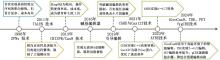
图1
基因编辑发展历程"
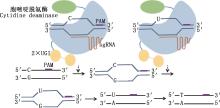
图2
CBE原理"
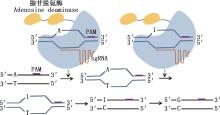
图3
ABE原理"
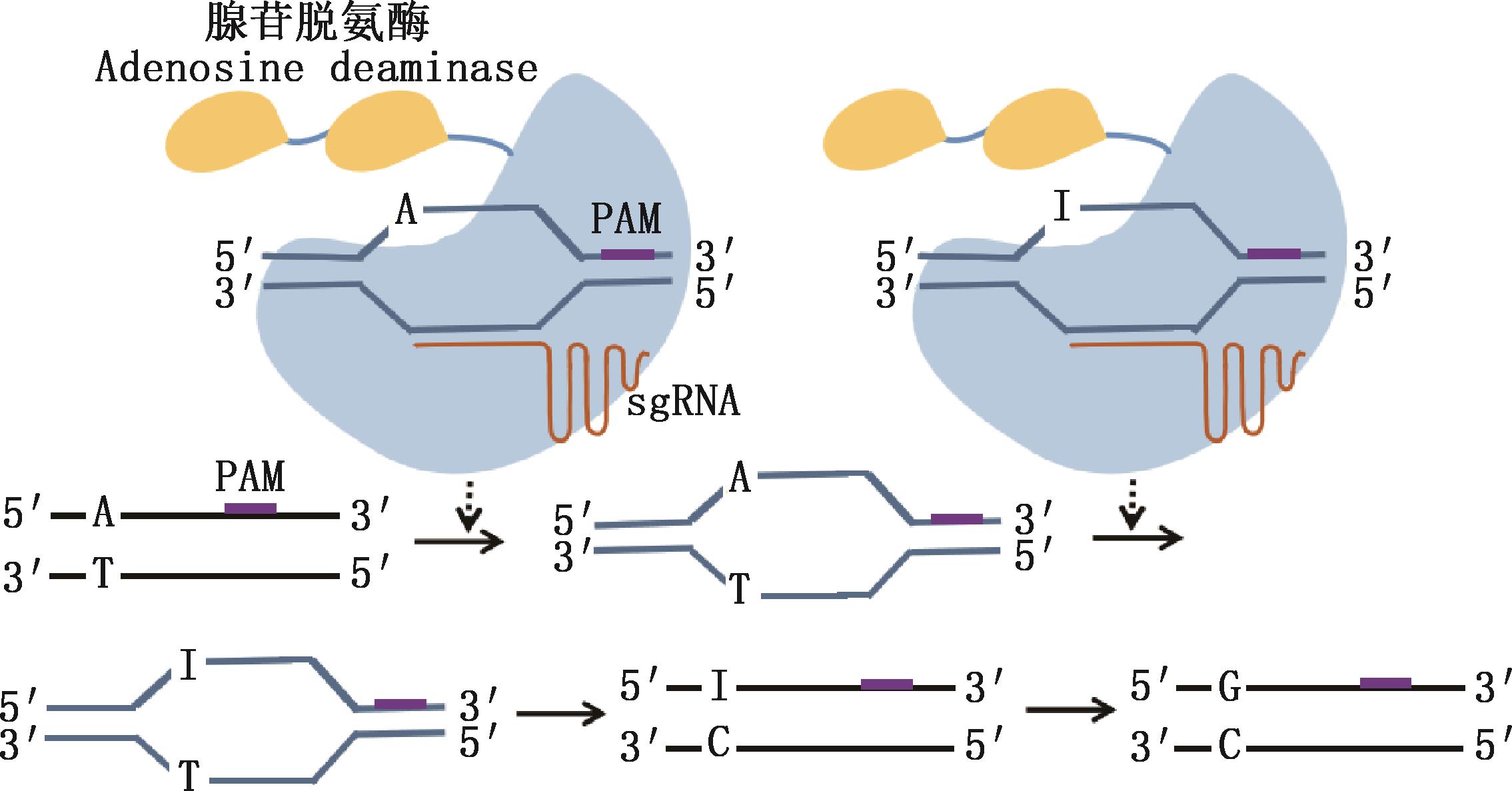
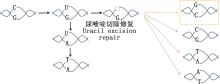
图4
CGBE原理"
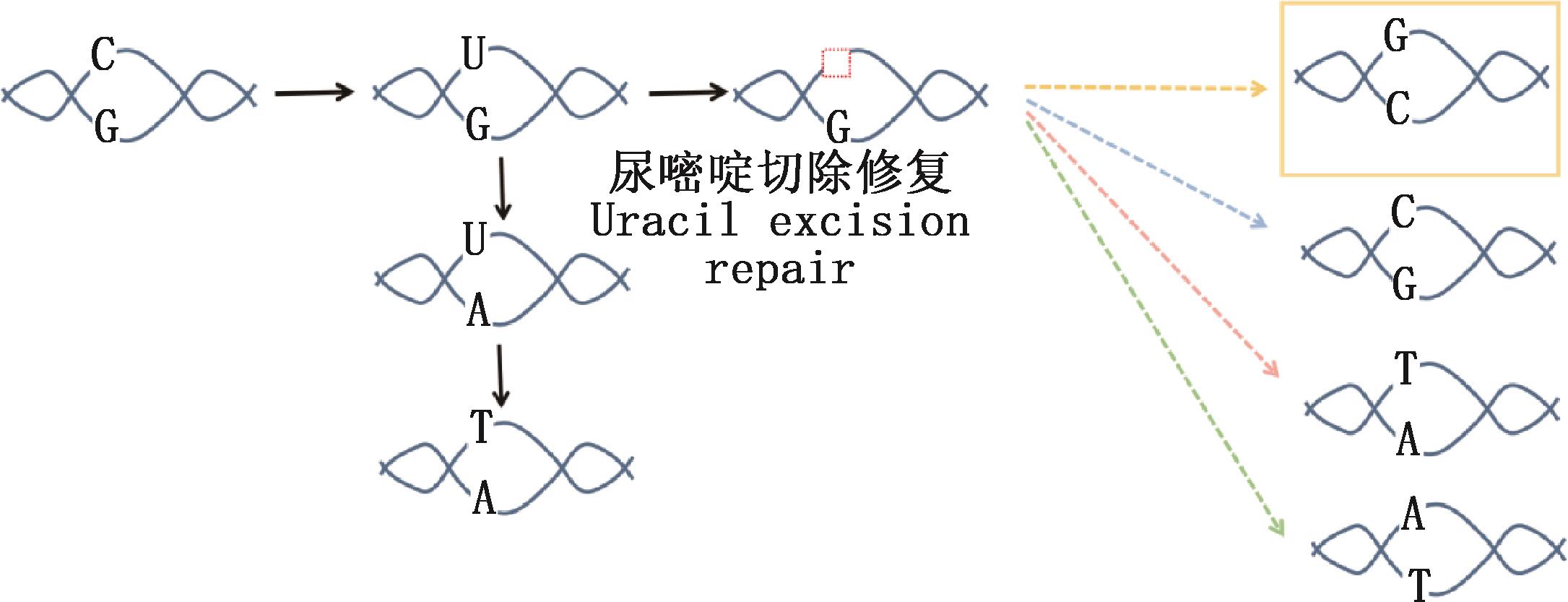
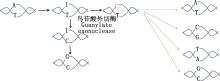
图5
AYBE原理"
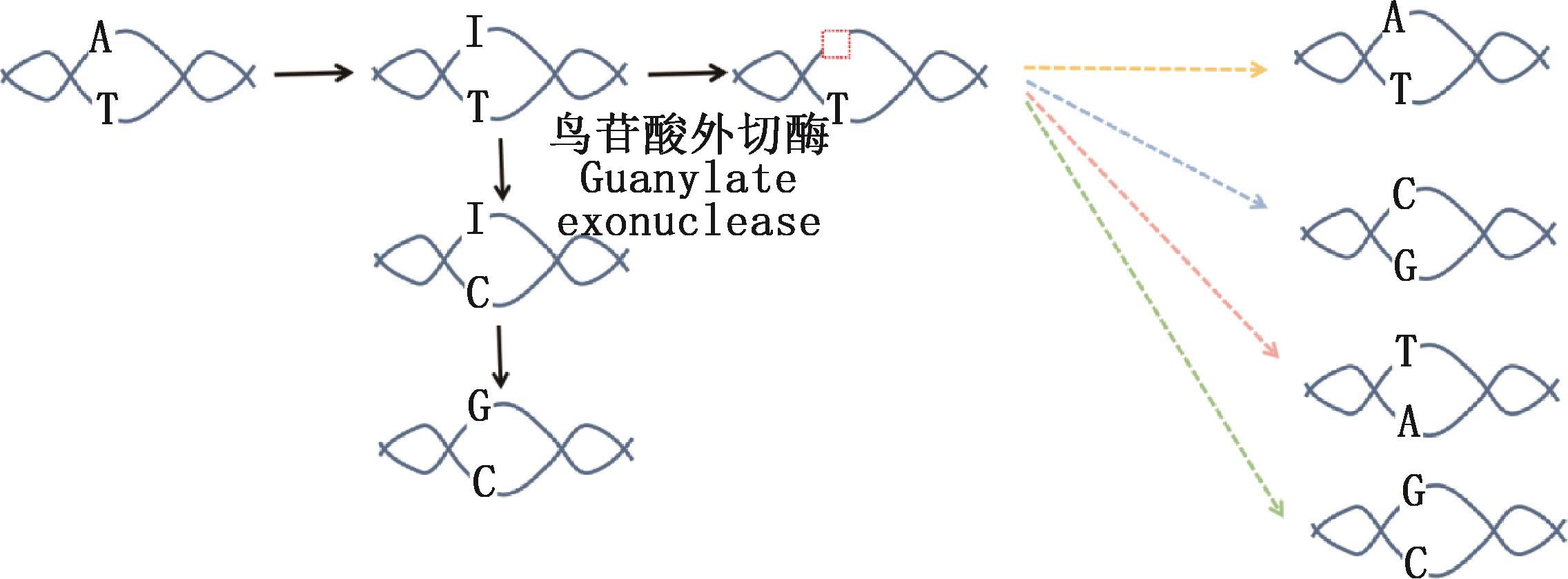
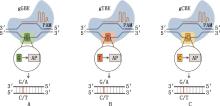
图6
gGBE、gTBE和gCBE原理"
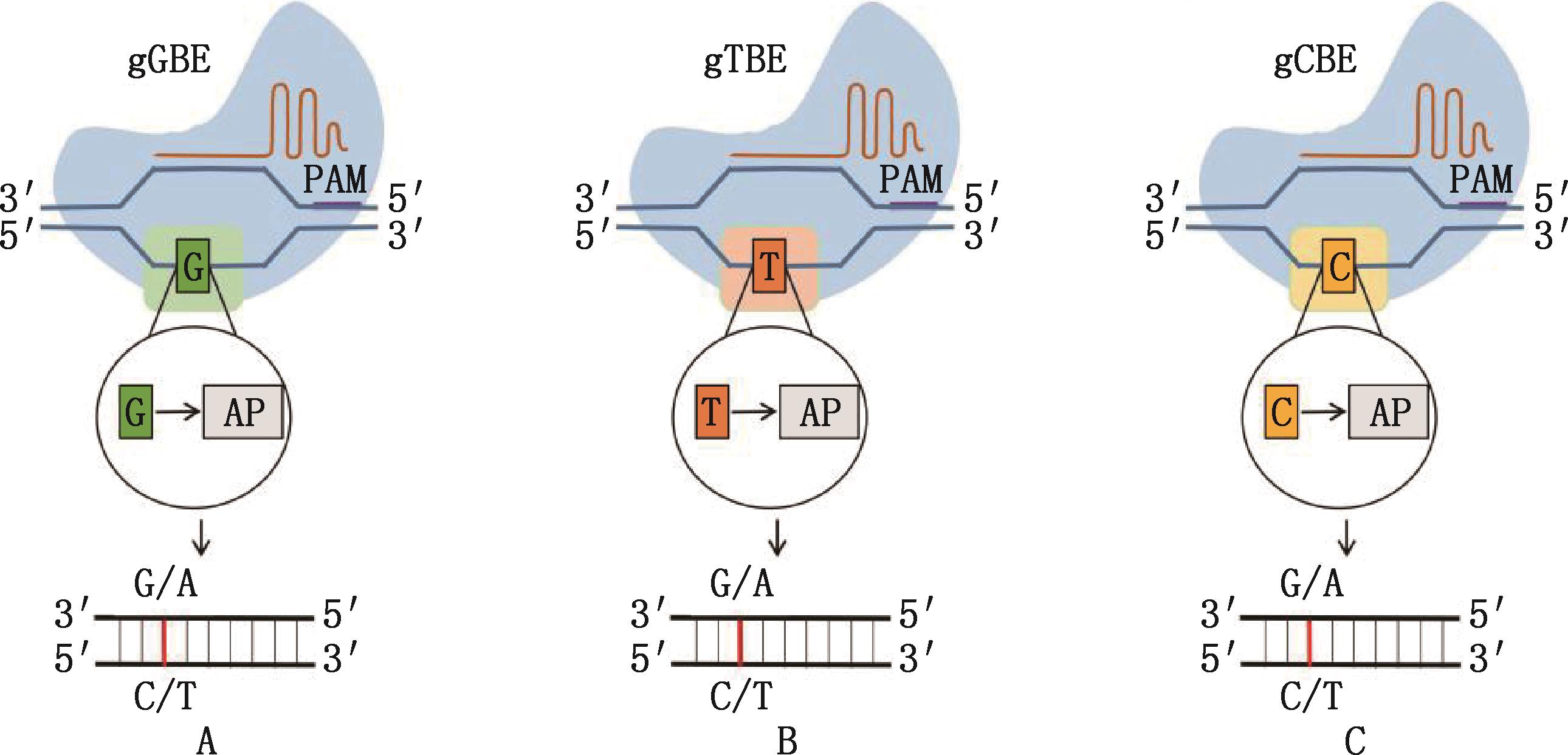

图7
PE编辑器及原理"


表1
不同基因编辑工具性能对比"
技术类型 Technology types | 编辑效率 Editing efficiency | 脱靶风险 Miss-target risk | 成本 Cost | 适用场景 Applicable scenarios |
|---|---|---|---|---|
| ZFNs/TALEN | 低-中 | 低 | 高 | 特定基因敲除 |
| CRISPR/Cas9 | 中-高 | 中 | 低 | 基因敲除、大片段插入 |
| 碱基编辑器 Base editor | 高 | 低 | 中 | 单碱基转换(如C-T、A-G) |
| 引导编辑 Guide editor | 中 | 极低 | 高 | 任意碱基转换、小片段修饰 |
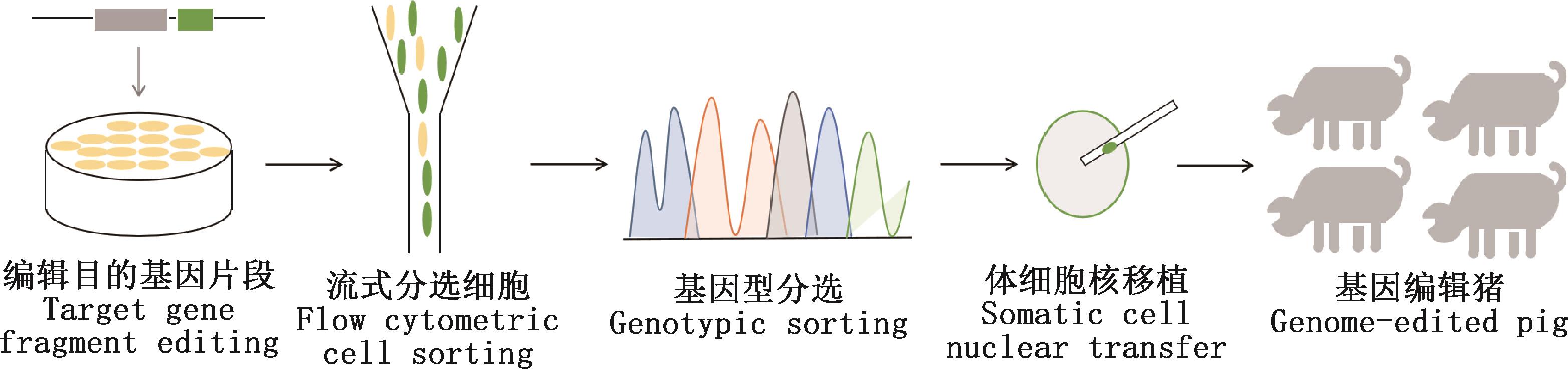
图8
基因编辑猪制备"
| [1] | 李 想, 崔文涛, 李 奎. 基因编辑技术及其应用的研究进展[J]. 中国畜牧兽医, 2017, 44(8):2241-2247. |
| LI X, CUI W T, LI K. Research advances on techniques of gene editing and its application[J].China Animal Husbandry & Veterinary Medicine, 2017, 44(8):2241-2247.(in Chinese) | |
| [2] | 国家统计局.中华人民共和国2024年国民经济和社会发展统计公报[R]. 2025-02-28. https://www.stats.gov.cn/sj/zxfb/202502/t20250228_1958817.html. |
| NATIONAL BUREAU OF STATISTICS. Statistical Communique on the National Economic and Social Development of the People’s Republic of China in 2024[R]. 2025-02-28. https://www.stats.gov.cn/sj/zxfb/202502/t20250228_1958817.html. (in Chinese) | |
| [3] | TU C, PENG S, CHUANG C, et al. Reproductive technologies needed for the generation of precise gene-edited pigs in the pathways from laboratory to farm[J]. Animal Bioscience, 2023, 36(2):339-349. |
| [4] | 迟顺顺, 吴 丹, 王 楠, 等. 基于RPA-CRISPR/Cas12a的MSTN基因编辑猪检测方法的建立及应用[J]. 畜牧兽医学报, 2025, 56(8):3734-3748. |
| CHI S S, WU D, WANG N, et al. Establishment and application of a detection method for MSTN gene-edited pigs based on RPA-CRISPR/Cas12a[J]. Acta Veterinaria et Zootechnica Sinica, 2025, 56(8):3734-3748.(in Chinese) | |
| [5] | ZHENG Q, LIN J, HUANG J, et al. Reconstitution of UCP1 using CRISPR/Cas9 in the white adipose tissue of pigs decreases fat deposition and improves thermogenic capacity[J]. Proceedings of the National Academy of Sciences of the United States of America, 2017, 114(45):E9474-E9482. |
| [6] | YANG H, WU Z. Genome editing of pigs for agriculture and biomedicine[J]. Frontiers in Genetics, 2018, 9:360. |
| [7] | WELLS K D, PRATHER R S. Genome-editing technologies to improve research, reproduction, and production in pigs[J]. Molecular Reproduction and Development, 2017, 84(9):1012-1017. |
| [8] | 王 慧, 冯保亮, 吴 丹, 等. CD163基因在猪繁殖与呼吸综合征抗病育种中的研究进展[J]. 畜牧兽医学报, 2023, 54(8):3127-3138. |
| WANG H, FENG B L, WU D, et al. Research progress of CD163 gene and disease-resistant breeding on porcine reproductive and respiratory syndrome[J]. Acta Veterinaria et Zootechnica Sinica, 2023, 54(8):3127-3138.(in Chinese) | |
| [9] | TANIHARA F, HIRATA M, OTOI T. Current status of the application of gene editing in pigs[J]. The Journal of Reproduction and Development, 2021, 67(3):177-187. |
| [10] | ZHANG J, KHAZALWA E M, ABKALLO H M, et al. The advancements, challenges, and future implications of the CRISPR/Cas9 system in swine research[J]. Journal of Genetics and Genomics, 2021, 48(5):347-360. |
| [11] | DIAKUN G P, FAIRALL L, KLUG A. EXAFS study of the zinc-binding sites in the protein transcription factor ⅢA[J]. Nature, 1986, 324(6098):698-699. |
| [12] | KIM Y G, CHA J, CHANDRASEGARAN S. Hybrid restriction enzymes: Zinc finger fusions to Fok Ⅰ cleavage domain[J]. Proceedings of the National Academy of Sciences of the United States of America, 1996, 93(3):1156-1160. |
| [13] | BIBIKOVA M, GOLIC M, GOLIC K G, et al. Targeted chromosomal cleavage and mutagenesis in Drosophila using zinc-finger nucleases[J]. Genetics, 2002, 161(3):1169-1175. |
| [14] | URNOV F D, MILLER J C, LEE Y L, et al. Highly efficient endogenous human gene correction using designed zinc-finger nucleases[J]. Nature, 2005, 435(7042):646-651. |
| [15] | PASCHON D E, LUSSIER S, WANGZOR T, et al. Diversifying the structure of zinc finger nucleases for high-precision genome editing[J]. Nature Communications, 2019, 10(1):1133. |
| [16] | MILLER J C, PATIL D P, XIA D F, et al. Enhancing gene editing specificity by attenuating DNA cleavage kinetics[J]. Nature Biotechnology, 2019, 37(8):945-952. |
| [17] | 刘小凤, 刘 蔚, 聂 宇, 等. ZFN、TALEN和CRISPR/Cas9在小鼠Rosa26基因定点整合外源基因的效率比较[J]. 中山大学学报, 2020, 59(2):137-144. |
| LIU X F, LIU W, NIE Y, et al. Efficiency comparison of Rosa26-targeted integration of exogenous gene via ZFN, TALEN or CRISPR/Cas9[J]. Acta Scientiarum Naturalium Universitatis Sunyatseni, 2020, 59(2):137-144.(in Chinese) | |
| [18] | MALZAHN A A, QI Y. Assembly of TALEN and mTALE-Act for plant genome engineering[J]. Methods in Molecular Biology, 2021, 2264:207-218. |
| [19] | MOHAMMADINEJAD R, BIAGIONI A, ARUNKUMAR G, et al. EMT signaling: Potential contribution of CRISPR/Cas gene editing[J]. Cellular and Molecular Life Sciences, 2020, 77(14):2701-2722. |
| [20] | CHEN W, MA J, WU Z, et al. Cas12n nucleases, early evolutionary intermediates of type Ⅴ CRISPR, comprise a distinct family of miniature genome editors[J]. Molecular Cell, 2023, 83(15):2768-2780. |
| [21] | CHEN K, HAN H, ZHAO S, et al. Lung and liver editing by lipid nanoparticle delivery of a stable CRISPR-Cas9 ribonucleoprotein[J]. Nature Biotechnology, 2024. Doi: 10.1038/s41587-024-02437-3 . Online ahead of print. |
| [22] | EGGERS A R, CHEN K, SOCZEK K M, et al. Rapid DNA unwinding accelerates genome editing by engineered CRISPR-Cas9[J]. Cell, 2024, 187(13):3249-3261. |
| [23] | ZETSCHE B, GPPTENBERG J S, ABUDAYYYEH O O, et al. Cpf1 is a single RNA-guided endonuclease of a class 2 CRISPR-Cas system[J]. Cell, 2015, 163(3):759-771.. |
| [24] | BROUGHTON J P, DENG X, YU G, et al. CRISPR-Cas12-based detection of SARS-CoV-2[J]. Nature Biotechnology, 2020, 38(7):870-874. |
| [25] | WU Z, ZHANG Y, YU H, et al. Programmed genome editing by a miniature CRISPR-Cas12f nuclease[J]. Nature Chemical Biology, 2021, 17(11):1132-1138. |
| [26] | KOMOR A C, KIM Y B, PACKER M S, et al. Programmable editing of a target base in genomic DNA without double-stranded DNA cleavage[J]. Nature, 2016, 533(7603):420-424. |
| [27] | GAUDELLI N M, KOMOR A C, REES H A, et al. Programmable base editing of AT to GC in genomic DNA without DNA cleavage[J]. Nature, 2017, 551(7681):464-471. |
| [28] | KURT I C, ZHOU R, IYER S, et al. CRISPR C-to-G base editors for inducing targeted DNA transversions in human cells[J]. Nature Biotechnology, 2021, 39(1):41-46. |
| [29] | ZHAO D, LI J, LI S, et al. Glycosylase base editors enable C-to-A and C-to-G base changes[J]. Nature Biotechnology, 2021, 39(1):35-40. |
| [30] | CHEN L, PARK J E, PAA P, et al. Programmable C:G to G:C genome editing with CRISPR-Cas9-directed base excision repair proteins[J]. Nature Communications, 2021, 12(1):1384. |
| [31] | KOBLAN L W, ARBAB M, SHEN M W, et al. Efficient CG-to-GC base editors developed using CRISPRi screens, target-library analysis, and machine learning[J]. Nature Biotechnology, 2021, 39(11):1414-1425. |
| [32] | TONG H, WANG X, LIU Y, et al. Programmable A-to-Y base editing by fusing an adenine base editor with an N-methylpurine DNA glycosylase[J]. Nature Biotechnology, 2023, 41(8):1080-1084. |
| [33] | CHEN L, HONG M, LUAN C, et al. Adenine transversion editors enable precise, efficient AT-to-CG base editing in mammalian cells and embryos[J]. Nature Biotechnology, 2024, 42(4):638-650. |
| [34] | TONG H, LIU N, WEI Y, et al. Programmable deaminase-free base editors for G-to-Y conversion by engineered glycosylase[J]. National Science Review, 2023, 10(8):d143. |
| [35] | YE L, ZHAO D, LI J, et al. Glycosylase-based base editors for efficient T-to-G and C-to-G editing in mammalian cells[J]. Nature Biotechnology, 2024, 42(10):1538-1547. |
| [36] | HE Y, ZHOU X, CHANG C, et al. Protein language models-assisted optimization of a uracil-N-glycosylase variant enables programmable T-to-G and T-to-C base editing[J]. Molecular Cell, 2024, 84(7):1257-1270. |
| [37] | TONG H, WANG H, WANG X, et al. Development of deaminase-free T-to-S base editor and C-to-G base editor by engineered human uracil DNA glycosylase[J]. Nature Communications, 2024, 15(1):4897. |
| [38] | YI Z, ZHANG X, WEI X, et al. Programmable DNA pyrimidine base editing via engineered uracil-DNA glycosylase[J]. Nature Communications, 2024, 15(1):6397. |
| [39] | VILLIGER L, GRISCH-CHAN H M, LINDSAY H, et al. Treatment of a metabolic liver disease by in vivo genome base editing in adult mice[J]. Nature Medicine, 2018, 24(10):1519-1525. |
| [40] | LIM C K W, GAPINSKE M, BROOKS A K, et al. Treatment of a mouse model of ALS by in vivo base editing[J]. Molecular Therapy, 2020, 28(4):1177-1189. |
| [41] | KOBLAN L W, ERDOS M R, WILSON C, et al. In vivo base editing rescues Hutchinson-Gilford progeria syndrome in mice[J]. Nature, 2021, 589(7843):608-614. |
| [42] | ANZALONE A V, RANDOLPH P B, DAVIS J R, et al. Search-and-replace genome editing without double-strand breaks or donor DNA[J]. Nature, 2019, 576(7785):149-157. |
| [43] | NELSON J W, RANDOLPH P B, SHEN S P, et al. Engineered pegRNAs improve prime editing efficiency[J]. Nature Biotechnology, 2022, 40(3):402-410. |
| [44] | CHEN P J, HUSSMANN J A, YAN J, et al. Enhanced prime editing systems by manipulating cellular determinants of editing outcomes[J]. Cell, 2021, 184(22):5635-5652. |
| [45] | DOMAN J L, PANDEY S, NEUGEBAUER M E, et al. Phage-assisted evolution and protein engineering yield compact, efficient prime editors[J]. Cell, 2023, 186(18):3983-4002. |
| [46] | GRÜNEWALD J, MILLER B R, SZALAY R N, et al. Engineered CRISPR prime editors with compact, untethered reverse transcriptases[J]. Nature Biotechnology, 2023, 41(3):337-343. |
| [47] | YAN J, OYLER-CASTRILLO P, RAVISANKAR P, et al. Improving prime editing with an endogenous small RNA-binding protein[J]. Nature, 2024, 628(8008):639-647. |
| [48] | 魏迎辉, 刘志国, 徐 奎, 等. CD163双等位基因编辑猪的制备及传代[J]. 中国农业科学, 2018, 51(4):770-777. |
| WEI Y H, LIU Z G, XU K, et al. Generation and propagation of cluster of differentiation 163 biallelic gene editing pigs[J]. Scientia Agricultura Sinica, 2018, 51(4):770-777.(in Chinese) | |
| [49] | 王晓朋, 徐 奎, 魏迎辉, 等. CRISPR/Cas9介导的猪IPEC-J2细胞CD13基因敲除细胞系的建立[J]. 畜牧兽医学报, 2019, 50(7):1319-1327. |
| WANG X P, XU K, WEI Y H, et al. Establishment of CD13 gene knockout IPEC-J2 cell lines mediated by CRISPR/Cas9 system[J]. Acta Veterinaria et Zootechnica Sinica, 2019, 50(7):1319-1327.(in Chinese) | |
| [50] | 李钰洁, 周佳伟, 张 宇, 等. 猪THRSP基因多态性及其与肉质性状的关联分析[J]. 中国畜牧杂志, 2024, 60(8):145-149. |
| LI Y J, ZHOU J W, ZHANG Y, et al. Polymorphism of THRSP gene and its association analysis with meat quality traits in pigs[J]. Chinese Journal of Animal Science, 2024, 60(8):145-149. (in Chinese) | |
| [51] | 王 维. 香猪肉质性状形成的分子机制[D]. 贵阳:贵州大学, 2024. |
| WANG W. Molecular mechanism of the formation of meat quality traits in Xiang pigs[J]. Guiyang: Guizhou University, 2024. (in Chinese) | |
| [52] | FLORINI J R, EWTON D Z, COOLICAN S A. Growth hormone and the insulin-like growth factor system in myogenesis[J]. Endocrine Reviews, 1996, 17(5):481-517. |
| [53] | GU H, ZHOU Y, YANG J, et al. Targeted overexpression of PPARgamma in skeletal muscle by random insertion and CRISPR/Cas9 transgenic pig cloning enhances oxidative fiber formation and intramuscular fat deposition[J]. FASEB Journal, 2021, 35(2):e21308. |
| [54] | WU W, YIN Y, HUANG J, et al. CRISPR/Cas9-meditated gene knockout in pigs proves that LGALS12 deficiency suppresses the proliferation and differentiation of porcine adipocytes[J]. Biochimica et Biophysica Acta, 2024, 1869(3):159424. |
| [55] | AKSOY M O, BILINSKA A, STACHOWIAK M, et al. Deciphering the role of the SREBF1 gene in the transcriptional regulation of porcine adipogenesis using CRISPR/Cas9 editing[J]. International Journal of Molecular Sciences, 2024, 25(23):12677. |
| [56] | HAMMER R E, PURSEL V G, REXROAD C E J, et al. Production of transgenic rabbits, sheep and pigs by microinjection[J]. Nature, 1985, 315(6021):680-683. |
| [57] | PURSEL V G, MITCHELL A D, BEE G, et al. Growth and tissue accretion rates of swine expressing an insulin-like growth factor Ⅰ transgene[J]. Animal Biotechnology, 2004, 15(1):33-45. |
| [58] | JEON J T, CARLBORG O, TORNSTEN A, et al. A paternally expressed QTL affecting skeletal and cardiac muscle mass in pigs maps to the IGF2 locus[J]. Nature Genetics, 1999, 21(2):157-158. |
| [59] | XIANG G, REN J, HAI T, et al. Editing porcine IGF2 regulatory element improved meat production in Chinese Bama pigs[J]. Cellular and Molecular Life Sciences, 2018, 75(24):4619-4628. |
| [60] | YOU W, LI M, QI Y, et al. CRISPR/Cas9-mediated specific integration of Fat-1 and IGF-1 at the pRosa26 locus[J]. Genes (Basel), 2021, 12(7):1027. |
| [61] | 曹 婷,周汉林,荀文娟,等. MSTN基因对猪骨骼肌发育调控的作用及其研究进展[J]. 基因组学与应用生物学, 2017, 36(4):1511-1517. |
| CAO T, ZHOU H L, XUN W J, et al. The effect of MSTN gene on the regulation of skeletal muscle development of pig and its research progress[J]. Genomics and Applied Biology, 2017, 36(4):1511-1517.(in Chinese) | |
| [62] | 崔文涛, 谢珊珊, 李 想, 等. 通过ZFN技术编辑猪MSTN基因创制高瘦肉率梅山猪新种质[J]. 农业生物技术学报, 2019, 27(12):2272-2280. |
| CUI W T, XIE S S, LI X, et al. New germplasm of Meishan pig(Sus scrofa) with high lean-meat rate was created by editing pig MSTN gene with ZFN technique[J]. Journal of Agricultural Biotechnology, 2019, 27(12):2272-2280.(in Chinese) | |
| [63] | 易恒洁, 李 辉, 赵忠海, 等. 高坡猪肌肉生长抑制素基因多态性及其与肉质性状的相关性分析[J]. 中国畜牧兽医, 2017, 44(4):1102-1107. |
| YI H J, LI H, ZHAO Z H, et al. The polymorphisms of MSTN gene and its relationship with meat quanlity traits in Gaopo pig[J]. China Animal Husbandry & Veterinary Medicine, 2017, 44(4):1102-1107.(in Chinese) | |
| [64] | KISHIOKA Y, THOMAS M, WAKAMATSU J, et al. Decorin enhances the proliferation and differentiation of myogenic cells through suppressing myostatin activity[J]. Journal of Cellular Physiology, 2008, 215(3):856-867. |
| [65] | XING X, XUAN M, JIN L, et al. Fiber-type distribution and expression of myosin heavy chain isoforms in newborn heterozygous myostatin-knockout pigs[J]. Biotechnology Letters, 2017, 39(12):1811-1819. |
| [66] | QIAN L, TANG M, YANG J, et al. Targeted mutations in myostatin by zinc-finger nucleases result in double-muscled phenotype in Meishan pigs[J]. Scientific Reports, 2015, 5:14435. |
| [67] | 吴添文, 齐传翔, 李训碧, 等. 基因组编辑猪的研究现状及展望[J]. 农业生物技术学报, 2017, 25(5):781-787. |
| WU T W, QI C X, LI X B, et al. Research progress and prospects of genome editing pigs(Sus scrofa)[J]. Journal of Agricultural Biotechnology, 2017, 25(5):781-787.(in Chinese) | |
| [68] | 华文君, 毕延震, 刘西梅, 等. CRISPR/Cas9技术制备猪肌肉生长抑制素基因敲除细胞[J]. 基因组学与应用生物学, 2015, 34(5):945-949. |
| HUA W J, BI Y Z, LIU X M, et al. Preparation of myostatin gene knock out pig cells using a CRISPR/Cas9 system[J]. Genomics and Applied Biology, 2015, 34(5):945-949.(in Chinese) | |
| [69] | BI Y, HUA Z, LIU X, et al. Isozygous and selectable marker-free MSTN knockout cloned pigs generated by the combined use of CRISPR/Cas9 and Cre/LoxP[J]. Scientific Reports, 2016, 6:31729. |
| [70] | WANG K, OUYANG H, XIE Z, et al. Efficient generation of myostatin mutations in pigs using the CRISPR/Cas9 system[J]. Scientific Reports, 2015, 5:16623. |
| [71] | DAN K J, SEOKJOONG K, YING Z H, et al. Generation of cloned adult muscular pigs with myostatin gene mutation by genetic engineering[J]. Royal Society of Chemistry Advances, 2017, 7(21):12541-12549. |
| [72] | MAGRO-LOPEZ E, MUNOZ-FERNANDEZ M A. The role of BMP signaling in female reproductive system development and function[J]. International Journal of Molecular Sciences, 2021, 22(21):11927. |
| [73] | 萨初拉, 吴铁成, 马跃军, 等. 绒山羊4个多胎性状候选基因多态性及其与产羔数的关联分析[J]. 中国畜牧兽医, 2023, 50(3):1037-1047. |
| SA C L, WU T C, MA Y J, et al. Polymorphisms of four polyembryony related genes and its association analysis with litter size in cashmere goats[J]. China Animal Husbandry & Veterinary Medicine, 2023, 50(3):1037-1047.(in Chinese) | |
| [74] | QIN Y, TANG T, LI W, et al. Bone morphogenetic protein 15 knockdown inhibits porcine ovarian follicular development and ovulation[J]. Frontiers in Cell and developmental Biology, 2019, 7:286. |
| [75] | LASSOUED N, BENKHLIL Z, WOLOSZYN F, et al. FecX (Bar) a novel BMP15 mutation responsible for prolificacy and female sterility in Tunisian Barbarine sheep[J]. BMC Genetics, 2017, 18(1):43. |
| [76] | MESTER B, RITTER L J, PITMAN J L, et al. Oocyte expression, secretion and somatic cell interaction of mouse bone morphogenetic protein 15 during the peri-ovulatory period[J]. Reproduction, Fertility, and Development, 2015, 27(5):801-811. |
| [77] | SHI X, TANG T, LIN Q, et al. Efficient generation of bone morphogenetic protein 15-edited Yorkshire pigs using CRISPR/Cas9 dagger[J]. Biology of Reproduction, 2020, 103(5):1054-1068. |
| [78] | WANG K, TANG X, XIE Z, et al. CRISPR/Cas9-mediated knockout of myostatin in Chinese indigenous Erhualian pigs[J]. Transgenic Research, 2017, 26(6):799-805. |
| [79] | 秦 枫, 刘 云, 唐楠楠, 等. 双氢青蒿素体外抗猪繁殖与呼吸综合征病毒的作用研究[J]. 中国畜牧兽医, 2025, 52(9):4379-4393. |
| QIN F, LIU Y, TANG N N, et al. Study on the anti-Porcine reproductive and respiratory syndrome virus of dihydroartemisinin in vitro [J].China Animal Husbandry & Veterinary Medicine, 2025, 52(9):4379-4393.(in Chinese) | |
| [80] | WHITWORTH K M, ROWLAND R R R, EWEN C L, et al. Gene-edited pigs are protected from Porcine reproductive and respiratory syndrome virus[J]. Nature Biotechnology, 2016, 34(1):20-22. |
| [81] | PRATHER R S, WELLS K D, WHITWORTH K M, et al. Knockout of maternal CD163 protects fetuses from infection with Porcine reproductive and respiratory syndrome virus (PRRSV)[J]. Scientific Reports, 2017, 7(1):13371. |
| [82] | BURKARD C, LILLICO S G, REID E, et al. Precision engineering for PRRSV resistance in pigs: Macrophages from genome edited pigs lacking CD163 SRCR5 domain are fully resistant to both PRRSV genotypes while maintaining biological function[J]. PLoS Pathogens, 2017, 13(2):e1006206. |
| [83] | WELLS K D, BARDOT R, WHITWORTH K M, et al. Replacement of porcine CD163 scavenger receptor cysteine-rich domain 5 with a CD163-like homolog confers resistance of pigs to genotype 1 but not genotype 2 Porcine reproductive and respiratory syndrome virus[J]. Journal of Virology, 2017, 91(2):e01521-16. |
| [84] | YU P, WEI R, DONG W, et al. CD163(DeltaSRCR5) Marc-145 cells resist PRRSV-2 infection via inhibiting virus uncoating, which requires the interaction of CD163 with Calpain 1[J]. Frontiers in Microbiology, 2019, 10:3115. |
| [85] | WANG H, SHEN L, CHEN J, et al. Deletion of CD163 exon 7 confers resistance to highly pathogenic Porcine reproductive and respiratory viruses on pigs[J]. International Journal of Biological Sciences, 2019, 15(9):1993-2005. |
| [86] | XU J, MAO J, HAN X, et al. Porcine epidemic diarrhea virus inhibits HDAC1 expression to facilitate its replication via binding of its nucleocapsid protein to host transcription factor Sp1[J]. Journal of Virology, 2021, 95(18):e85321. |
| [87] | 石 达. 宿主蛋白NPM1、EB3和HSP47对PEDV复制影响[D]. 北京:中国农业科学院, 2015. |
| SHI D. The influence of host protein NPM1, EB3 and HSP47 on the replication of PEDV[D]. Beijing: Chinese Academy of Agricultural Sciences, 2015. (in Chinese) | |
| [88] | WANG J, LIU H, YANG Y, et al. Genome-scale CRISPR screen identifies TRIM2 and SLC35A1 associated with Porcine epidemic diarrhoea virus infection[J]. International Journal of Biological Macromolecules, 2023,250:125962. |
| [89] | 张 雪, 范宝超, 赵永祥, 等. 基于CRISPR/Cas9系统筛选猪流行性腹泻病毒复制相关基因及其验证[J]. 微生物学通报, 2022, 49(12):5138-5149. |
| ZHANG X, FAN B C, ZHAO Y X, et al. Screening and validation of Porcine epidemic diarrhea virus replication-related genes based on genome-scale CRISPR/Cas9 system[J]. Microbiology China, 2022, 49(12):5138-5149.(in Chinese) | |
| [90] | XIE Z, JIAO H, XIAO H, et al. Generation of pRSAD2 gene knock-in pig via CRISPR/Cas9 technology[J]. Antiviral Research, 2020, 174:104696. |
| [91] | QI C, PANG D, YANG K, et al. Generation of PCBP1-deficient pigs using CRISPR/Cas9-mediated gene editing[J]. Iscience, 2022, 25(10):105268. |
| [92] | LIN J, CAO C, TAO C, et al. Cold adaptation in pigs depends on UCP3 in beige adipocytes[J]. Journal of Molecular Cell Biology, 2017, 9(5):364-375. |
| [93] | GOLOVAN S P, MEIDINGER R G, AJAKAIYE A, et al. Pigs expressing salivary phytase produce low-phosphorus manure[J]. Nature Biotechnology, 2001, 19(8):741-745. |
| [94] | LI Y, WANG H, CHEN H, et al. Generation of a genetically modified pig model with CREBRF(R457Q) variant[J]. FASEB Journal, 2022, 36(11):e22611. |
| [95] | YAO J, ZENG H, ZHANG M, et al. OSBPL2-disrupted pigs recapitulate dual features of human hearing loss and hypercholesterolaemia[J]. Journal of Genetics and Genomics, 2019, 46(8):379-387. |
| [96] | ANDERSEN O M, BOGH N, LANDAU A M, et al. A genetically modified minipig model for Alzheimer’s disease with SORL1 haploinsufficiency[J]. Cell Reports. Medicine, 2022, 3(9):100740. |
| [97] | BESLIKA E, LEITE-MOREIRA A, DE WINDT L J, et al. Large animal models of pressure overload-induced cardiac left ventricular hypertrophy to study remodelling of the human heart with aortic stenosis[J]. Cardiovascular Research, 2024, 120(5):461-475. |
| [98] | GE W, GOU S, ZHAO X, et al. In vivo evaluation of guide-free Cas9-induced safety risks in a pig model[J]. Signal Transduction and Targeted Therapy, 2024, 9(1):184. |
| [99] | GLANZNER W G, DE MACEDO M P, GUTIERREZ K, et al. Enhancement of chromatin and epigenetic reprogramming in porcine SCNT embryos-progresses and perspectives[J]. Frontiers in Cell and Developmental Biology, 2022, 10:940197. |
| [100] | DUAN X, CHEN C, DU C, et al. Homozygous editing of multiple genes for accelerated generation of xenotransplantation pigs[J]. Genome Research, 2025, 35(5):1167-1178. |
| [101] | XU K, ZHOU Y, MU Y, et al. CD163 and pAPN double-knockout pigs are resistant to PRRSV and TGEV and exhibit decreased susceptibility to PDCoV while maintaining normal production performance[J]. eLife, 2020, 9:57132. |
| [1] | 罗琪, 龙定彪, 王敬, 肖融, 王琪. 稀土壳糖胺螯合盐对生长育肥猪生长性能、养分消化率、血清指标和粪便菌群结构的影响[J]. 中国畜牧兽医, 2026, 53(2): 787-797. |
| [2] | 杜志雯, 高雨馨, 刘淑琴, 马海滨, 杨磊, 宋丽爽, 白春玲, 魏著英, 李光鹏, 苏广华. 华西牛MSTN基因编辑细胞及胚胎的效率优化研究[J]. 中国畜牧兽医, 2026, 53(2): 819-836. |
| [3] | 许娟, 章会斌, 张晓东, 李庆岗. 美系大白猪PTER和CALB2基因多态性与生长性状的关联分析[J]. 中国畜牧兽医, 2026, 53(2): 859-869. |
| [4] | 曾广湖, 贾雨轩, 黄梦婷, 沈祥玉, 刘家伟, 杜俊豪, 龚婷. L-丙氨酸对公猪精液常温保存效果的影响[J]. 中国畜牧兽医, 2026, 53(2): 870-878. |
| [5] | 赖金花, 王孝义, 吴娅, 朱东霞, 朱怡轩, 张克忠, 黄兆军, 管和平, 李明丽, 鲁绍雄. 宣和猪ADRP和FASN基因多态性及其与肉质性状的关联分析[J]. 中国畜牧兽医, 2026, 53(2): 879-891. |
| [6] | 张帅, 夏良星, 张雪莉, 曹亚男, 包文斌. 转录因子STAT1对猪德尔塔冠状病毒复制的影响[J]. 中国畜牧兽医, 2026, 53(2): 926-936. |
| [7] | 陈林, 刘嘉逸, 吴华, 张源, 邓智杰, 韩耀辉, 史银亮. 黑果枸杞提取物对八眉三元猪脂质代谢的影响[J]. 中国畜牧兽医, 2026, 53(1): 245-255. |
| [8] | 高林娜, 蒋影影, 黄广军, 王悦, 史倩倩, 王慧利, 陈坤琳. FGFR1基因敲除牛乳腺上皮细胞系的构建及功能研究[J]. 中国畜牧兽医, 2026, 53(1): 317-332. |
| [9] | 梁丙坤, 王镇, 刘子虞, 严达伟, 董新星, 朱家位. 丽江猪SCARB2基因序列特征及组织表达分析[J]. 中国畜牧兽医, 2026, 53(1): 343-358. |
| [10] | 张欣欣, 张岳, 崔安, 李金儒, 张芸菁, 何丽霞, 杨桂君, 任玉东, 李广兴. 黑龙江省猪流行性腹泻病毒流行毒株分离鉴定与遗传进化分析[J]. 中国畜牧兽医, 2026, 53(1): 378-389. |
| [11] | 李富祥, 宋建领, 李占鸿. 云南地区血清7型猪胸膜肺炎放线杆菌的分离鉴定及生物学特性分析[J]. 中国畜牧兽医, 2026, 53(1): 499-508. |
| [12] | 姬聪浩, 李姝璇, 黄钰, 胡存海, 王孜龙, 冯书营. 中药防治猪流行性腹泻及增效作用机制研究进展[J]. 中国畜牧兽医, 2026, 53(1): 94-106. |
| [13] | 柴圆, 包成林, 张玲艳, 宫淑艳, 齐澈力木格, 鲍艳春, 朱蒙, 曹赛, 李建功, 于国杰, 林靖凯, 张文广. 单细胞测序技术在畜禽遗传育种中的应用研究进展[J]. 中国畜牧兽医, 2026, 53(1): 15-26. |
| [14] | 陈博, 王涤非, 杨雪曦, 刘锐, 陈琳, 刘跃, 张继泽, 高阳. 饲粮中添加角鲨烯对生长育肥猪生长性能、肉品质及抗氧化功能的影响[J]. 中国畜牧兽医, 2025, 52(9): 4146-4154. |
| [15] | 郭猛, 夏攀洁, 周光亮, 袁仁强, 赵云翔. 基于杜长大商品猪群体提高杜洛克公猪饲料效率相关性状的基因组选择准确性[J]. 中国畜牧兽医, 2025, 52(9): 4155-4162. |
| 阅读次数 | ||||||
|
全文 |
|
|||||
|
摘要 |
|
|||||
