中国畜牧兽医 ›› 2026, Vol. 53 ›› Issue (2): 926-936.doi: 10.16431/j.cnki.1671-7236.2026.02.037

• 预防兽医 • 上一篇    下一篇

转录因子STAT1对猪德尔塔冠状病毒复制的影响

张帅1(), 夏良星1, 张雪莉1, 曹亚男1, 包文斌1,2()   

  1. 1.扬州大学动物科学与技术学院,江苏省动物遗传繁育与分子设计重点实验室,扬州 225009
    2.扬州大学,教育部农业与农产品安全国际合作联合实验室,扬州 225009
  • 收稿日期:2025-07-08 出版日期:2026-02-20 发布日期:2026-01-27
  • 通讯作者: 包文斌 E-mail:shuai_zhang1990@163.com;wbbao@yzu.edu.cn
  • 作者简介:张帅,E-mail:shuai_zhang1990@163.com
  • 基金资助:
    国家自然科学基金青年科学基金项目(32402729)

Effect of Transcription Factor STAT1 on Porcine Deltacoronavirus Replication

ZHANG Shuai1(), XIA Liangxing1, ZHANG Xueli1, CAO Yanan1, BAO Wenbin1,2()   

  1. 1.Key Laboratory for Animal Genetic,Breeding,Reproduction and Molecular Design of Jiangsu Province,College of Animal Science and Technology,Yangzhou University,Yangzhou 225009,China
    2.Joint International Research Laboratory of Agriculture & Agri-Product Safety,Yangzhou University,Yangzhou 225009,China
  • Received:2025-07-08 Online:2026-02-20 Published:2026-01-27
  • Contact: BAO Wenbin E-mail:shuai_zhang1990@163.com;wbbao@yzu.edu.cn

摘要:

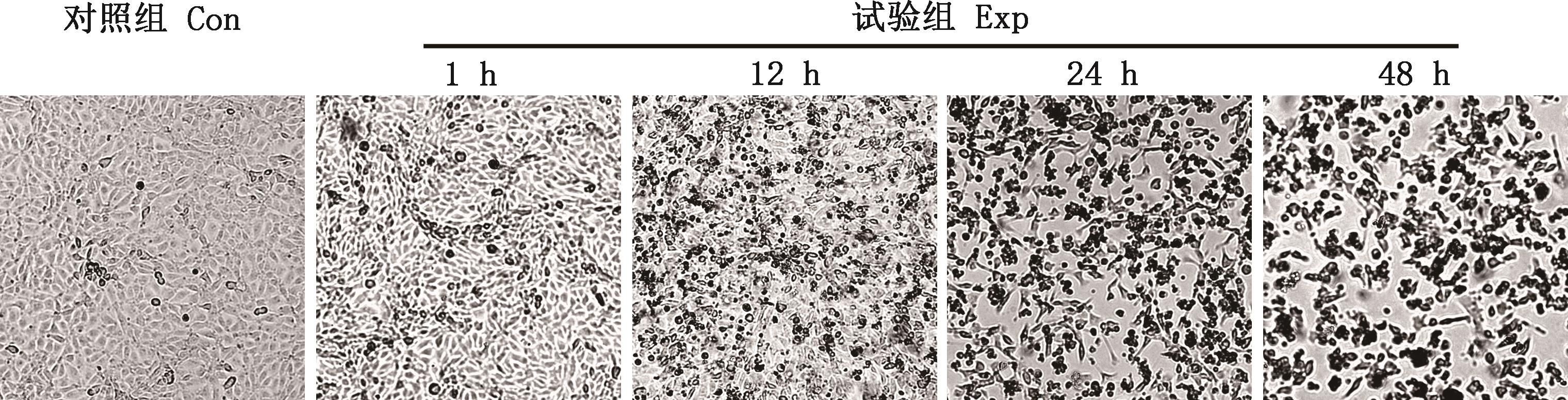
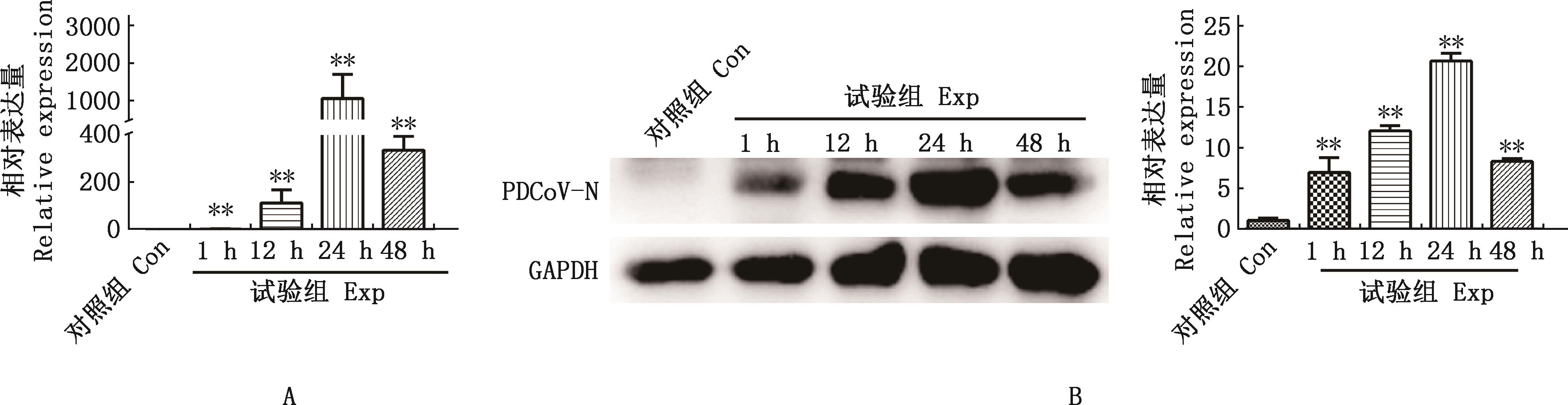
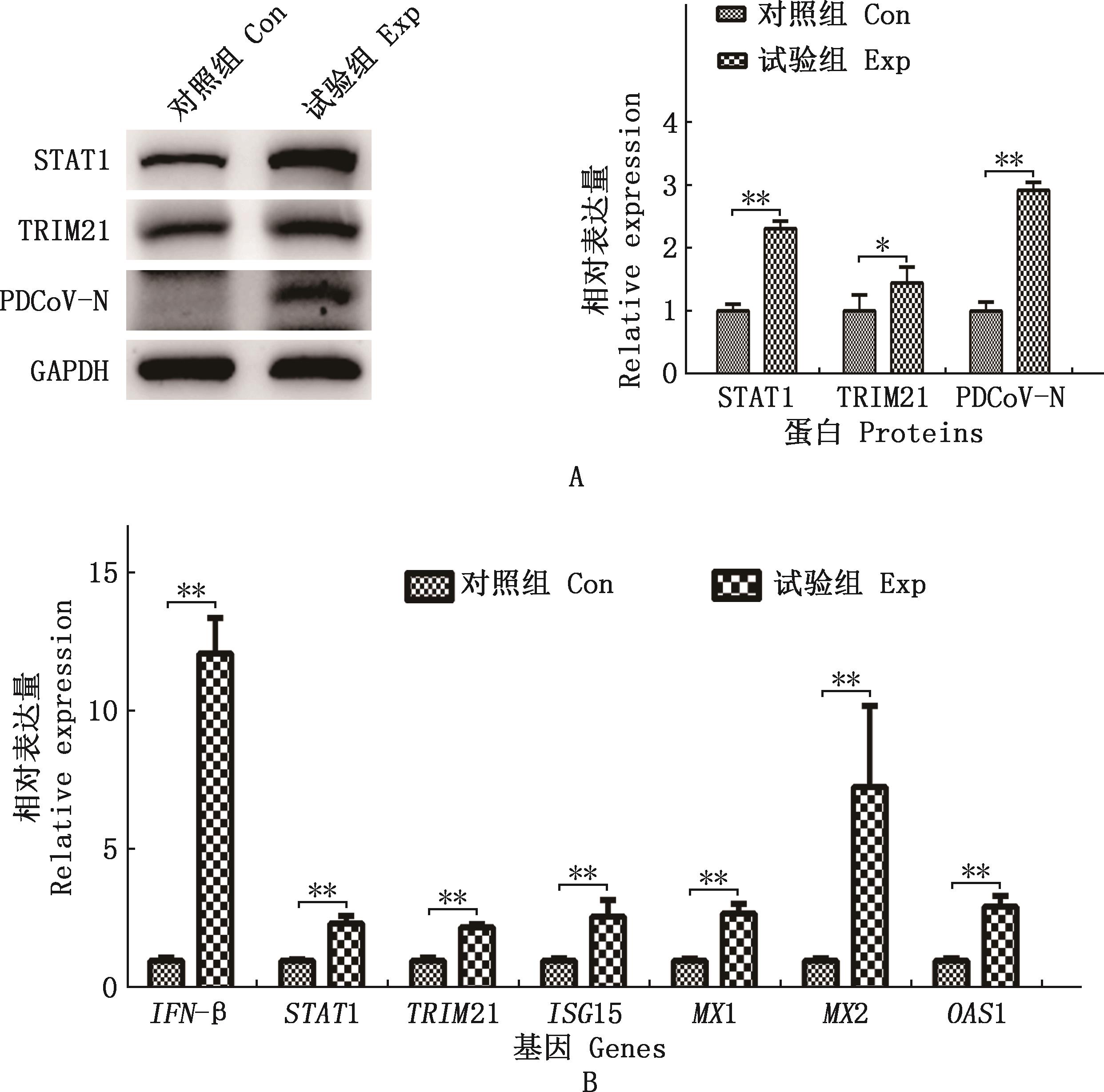
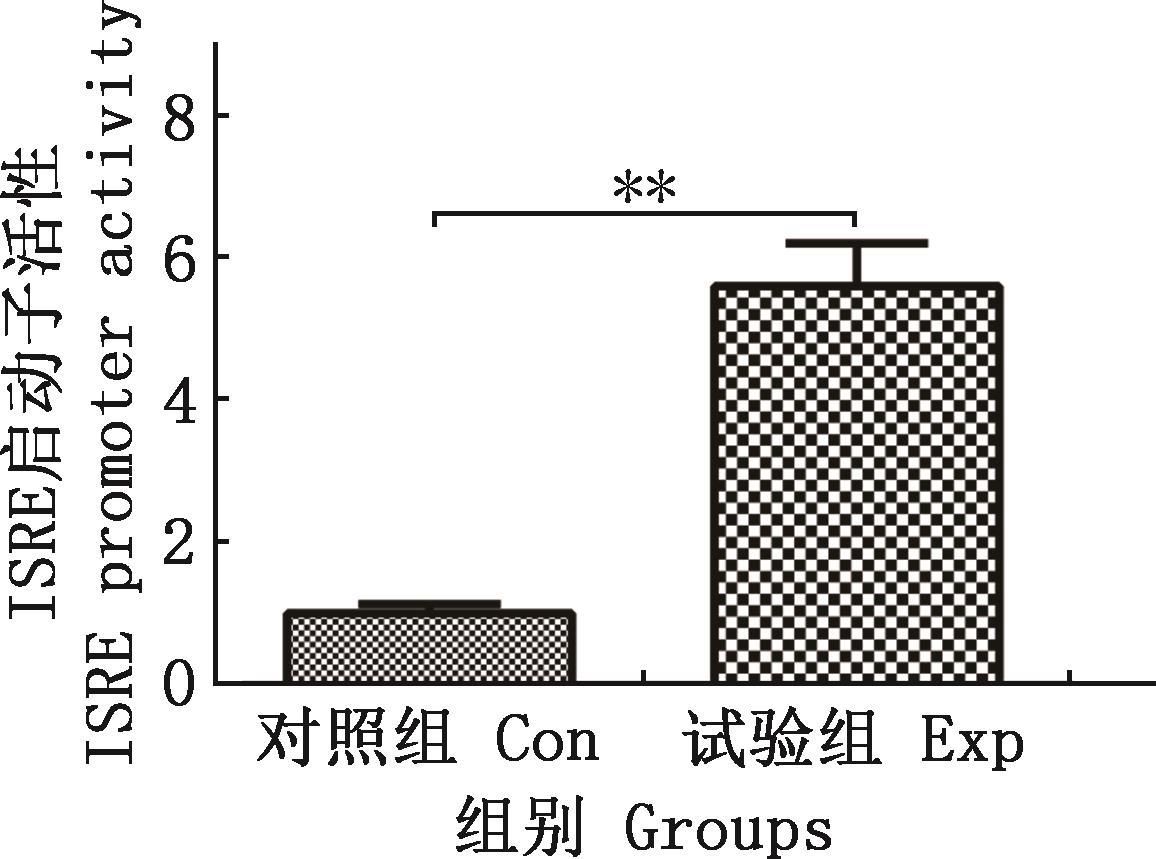
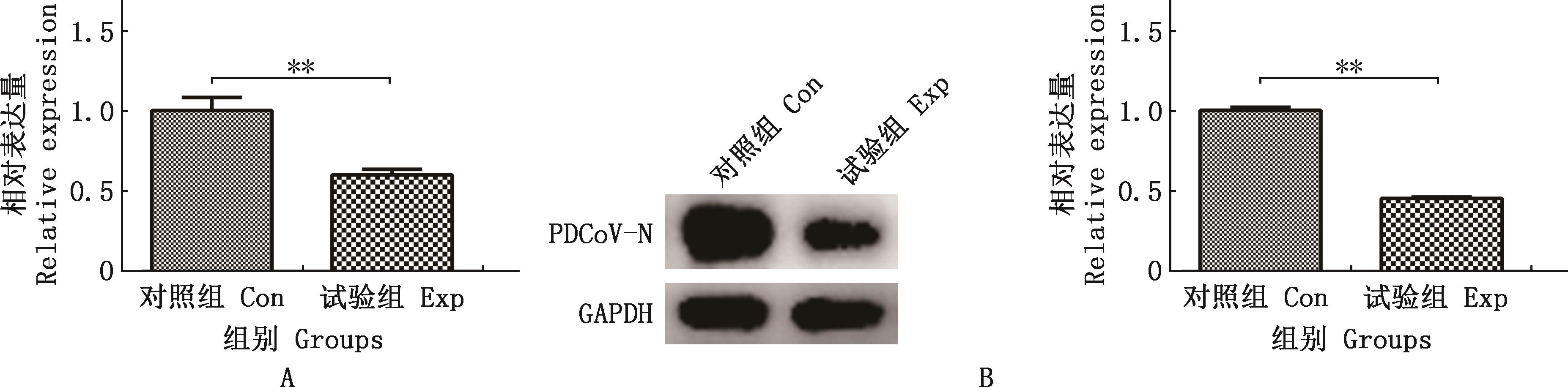
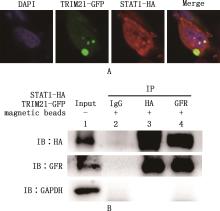
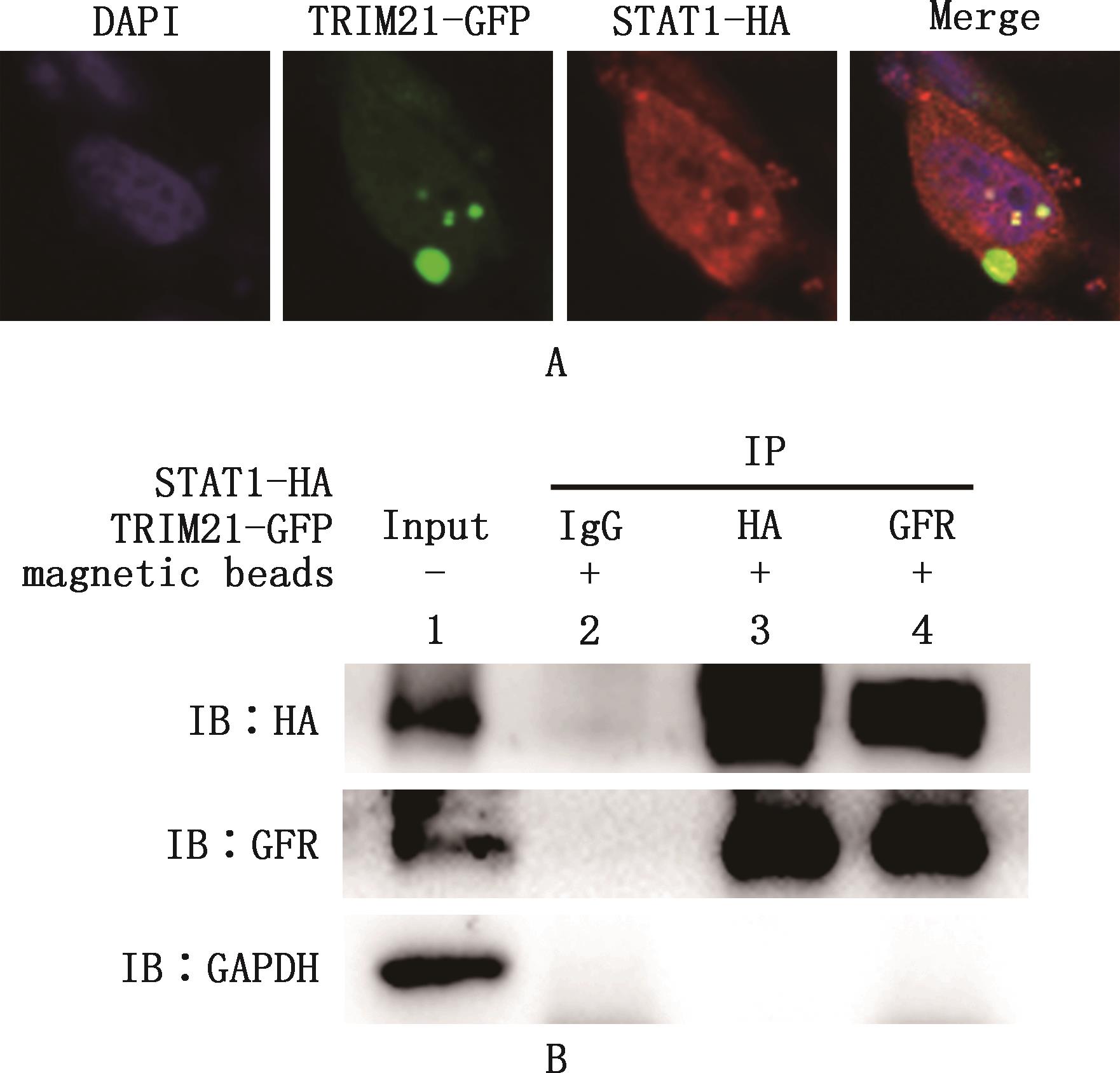
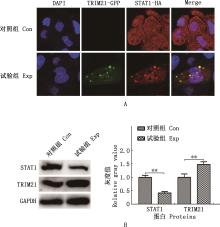
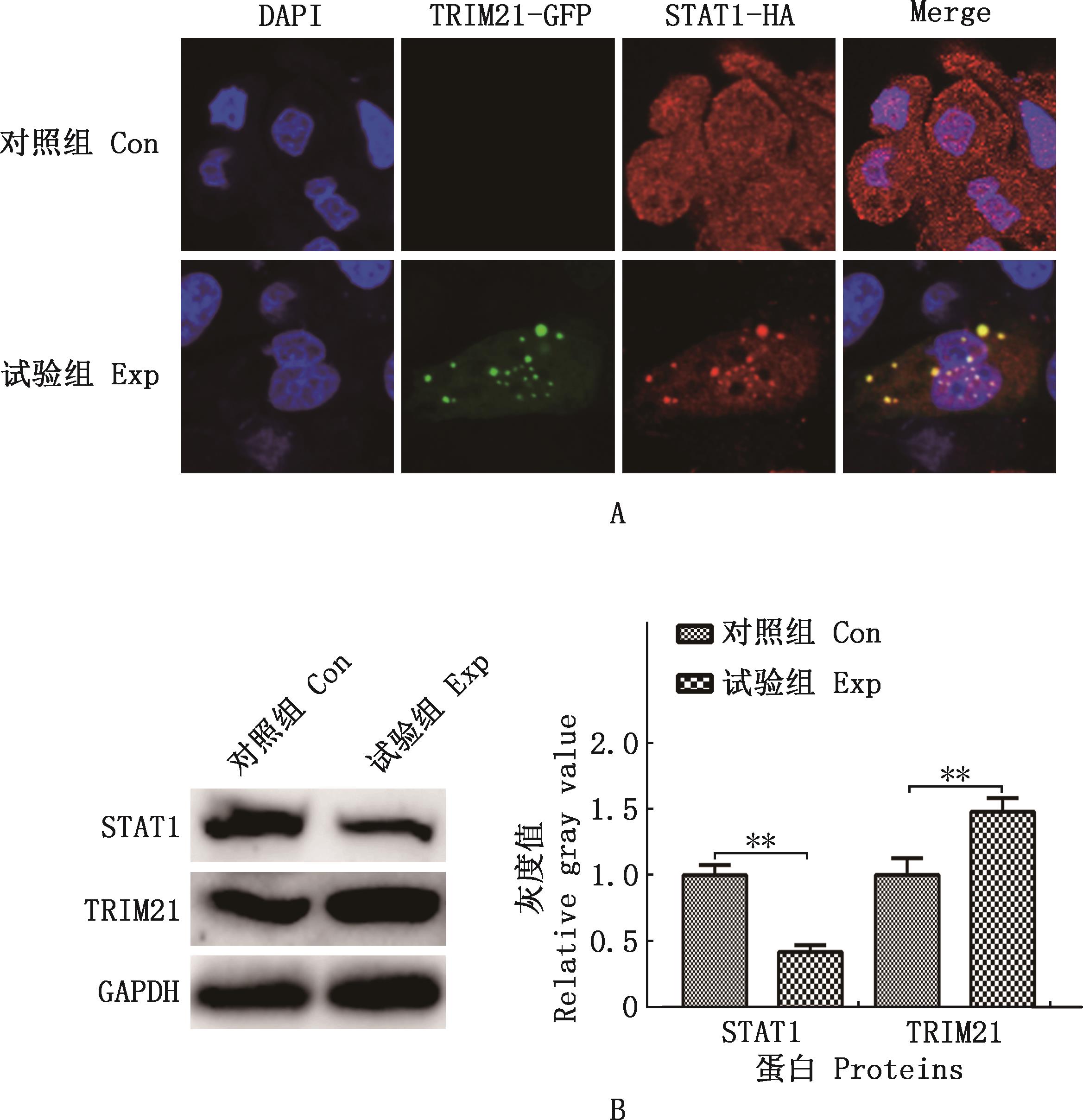
目的 探究猪德尔塔冠状病毒(Porcine deltacoronavirus, PDCoV)感染对先天性免疫的影响及免疫信号传导的干扰机制,重点解析信号传导转录激活因子1(signal transducer and activator of transcription 1, STAT1)与三方基序蛋白21(tripartite-motif protein 21, TRIM21)在此过程中的作用。 方法 通过倒置显微镜观察感染复数(multiplicity of infection, MOI)为1的PDCoV感染IPEC-J2细胞1、12、24、48 h后细胞形态学变化,采用实时荧光定量PCR和Western blotting分别检测PDCoV-N基因及蛋白的表达水平,以此筛选PDCoV感染IPEC-J2细胞模型的最佳条件。在PDCoV感染峰值时,通过实时荧光定量PCR和Western blotting检测STAT1、TRIM21及干扰素刺激基因(interferon-stimulated genes, ISGs)的mRNA和蛋白表达水平;通过双荧光素酶报告基因系统检测过表达或抑制STAT1对PDCoV复制及干扰素激活反应元件(interferon-stimulated response element, ISRE)启动子活性的影响;将TRIM21与STAT1真核表达载体共转染至IPEC-J2细胞,结合激光共聚焦显微镜、免疫共沉淀技术(co-immunoprecipitation, Co-IP)和Western blotting验证二者的相互作用及TRIM21对STAT1的调控效应。 结果 PDCoV在感染IPEC-J2细胞24 h达复制高峰,同时试验组细胞中STAT1、TRIM21蛋白表达及ISGs转录水平均极显著高于对照组(P<0.01)。与对照组相比,过表达STAT1后ISRE启动子活性极显著增强,PDCoV-N基因及其蛋白表达量极显著降低(P<0.01),而氟达拉滨抑制STAT1后则极显著促进病毒复制(P<0.01)。激光共聚焦显微镜观察与Co-IP结果显示,STAT1与TRIM21存在共定位及相互作用,且与对照组相比,过表达TRIM21后STAT1蛋白表达量极显著降低(P<0.01)。 结论 本研究解析了PDCoV与宿主IPEC-J2细胞先天性免疫的相互作用机制,STAT1作为关键抗病毒因子通过ISRE通路增强先天性免疫来抑制病毒复制,TRIM21则靶向STAT1并下调其表达从而帮助病毒免疫逃逸。研究结果不仅为深入理解PDCoV的致病分子机制提供了新见解,也为制定PDCoV防控策略奠定了基础。

关键词: 猪德尔塔冠状病毒(PDCoV); STAT1; TRIM21; 先天性免疫; 免疫逃逸

Abstract:

Objective This experiment aimed to investigate the impact of Porcine deltacoronavirus (PDCoV) infection on the innate immunity and the interference mechanism of immune signal transduction, with a focus on the roles of signal transducer and activator of transcription 1 (STAT1) and tripartite-motif protein 21 (TRIM21) in this process. Method Morphological changes in IPEC-J2 cells infected with PDCoV at a multiplicity of infection (MOI) of 1 were observed via an inverted microscope at 1, 12, 24 and 48 hours post-infection.Meanwhile, Real-time quantitative PCR and Western blotting were used to detect the expression of PDCoV-N gene and protein, respectively, for screening the optimal conditions of the PDCoV-infected IPEC-J2 cell model. At the peak of PDCoV infection, the mRNA and protein expression of STAT1, TRIM21, and interferon-stimulated genes (ISGs) were detected by Real-time quantitative PCR and Western blotting,respectively. The effects of overexpression or inhibition of STAT1 on the replication of PDCoV and the activity of the interferon-stimulated response element (ISRE) promoter were detected using the dual-luciferase reporter gene system. Additionally, eukaryotic expression vectors of TRIM21 and STAT1 were co-transfected into IPEC-J2 cells. Laser confocal microscopy, co-immunoprecipitation (Co-IP), and Western blotting were used to verify the interaction between TRIM21 and STAT1 as well as the regulatory effect of TRIM21 on STAT1. Result PDCoV reached replication peak at 24 hour post-infection in IPEC-J2 cells. At the same time, the protein expression of STAT1 and TRIM21, as well as the transcription level of ISGs in experiment group, were extremely significantly higher than those in control group (P<0.01). Compared with control group, the activity of ISRE promoter was extremely significantly enhanced after overexpression of STAT1, and the expression of PDCoV-N gene and its protein were extremely significantly reduced (P<0.01) , while inhibition of STAT1 by fludarabine extremely significantly promoted viral replication (P<0.01). Laser confocal microscopy and Co-IP confirmed the co-localization and interaction between STAT1 and TRIM21. Moreover, compared with control group, the expression of STAT1 protein was extremely significantly reduced after overexpression of TRIM21 (P<0.01). Conclusion This study illuminated the intricate interplay between PDCoV and the innate immune response of host IPEC-J2 cells. As a key antiviral factor, STAT1 enhanced innate immunity via the ISRE pathway to inhibit viral replication. In contrast, TRIM21 participated in viral immune evasion by interacting with STAT1 and downregulating its expression. These findings provided novel insights into the molecular pathogenesis of PDCoV, and laid a foundation for formulating PDCoV prevention and control strategies.

Key words: Porcine deltacoronavirus (PDCoV); STAT1; TRIM21; innate immunity; immune escape

中图分类号: