
China Animal Husbandry & Veterinary Medicine ›› 2026, Vol. 53 ›› Issue (2): 711-722.doi: 10.16431/j.cnki.1671-7236.2026.02.019
• Nutrition and Feed • Previous Articles Next Articles
YANG Yang( ), CAO Xing, CHEN Bin, LIU Wujun()
Received:2025-06-17
Online:2026-02-20
Published:2026-01-27
Contact:
LIU Wujun
E-mail:1401533048@qq.com;lwj_ws@163.com
CLC Number:
YANG Yang, CAO Xing, CHEN Bin, LIU Wujun. Comparison of Gene Expression in Liver and Rumen Microbiota Composition Differences Between Duolang Sheep and Hu Sheep Based on Omics Approaches and Their Impacts on Environmental Adaptability[J]. China Animal Husbandry & Veterinary Medicine, 2026, 53(2): 711-722.
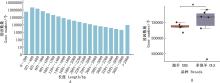
Fig.1
Metagenomic sequencing results in sheep① A,Non redundant gene length distribution map;B,Box plot of differences in gene quantity. ②*,Significant difference (P<0.05). The same as fig.2 to fig.4"
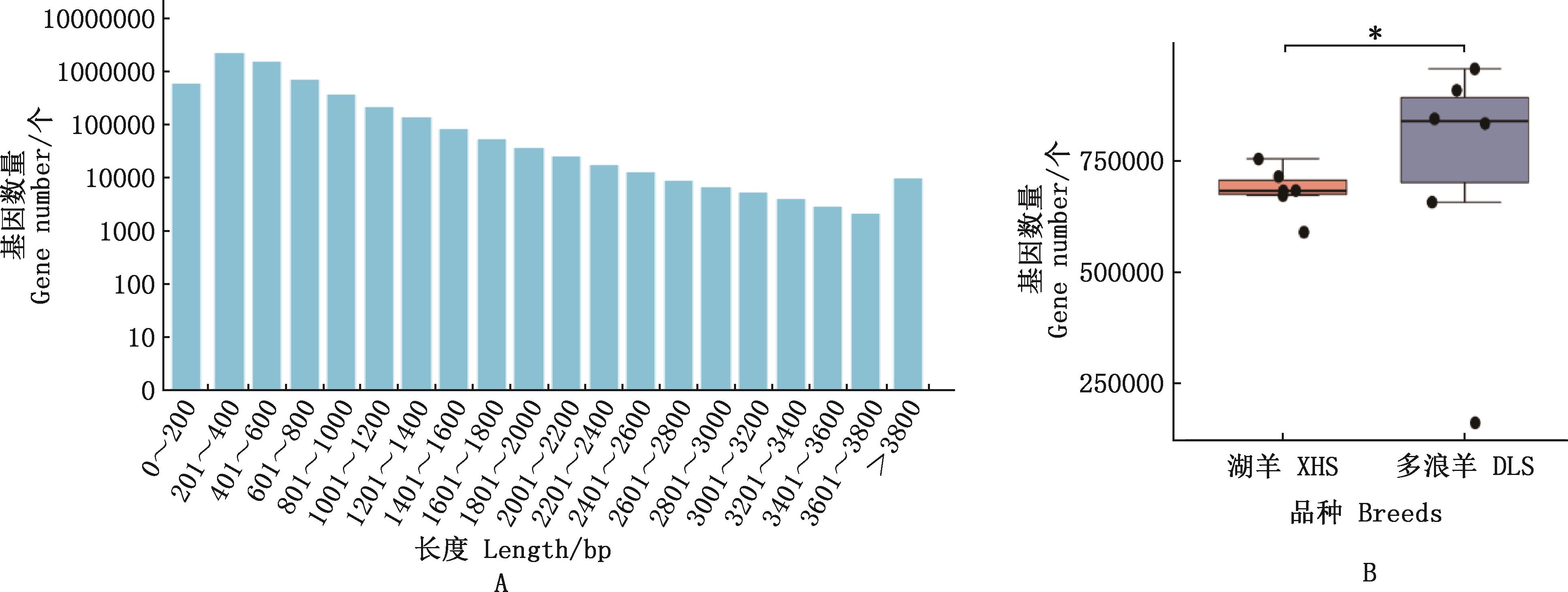
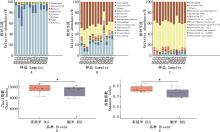
Fig.2
Analysis of the composition of rumen microbial species in Duolang sheep and Hu sheepA-C, Phylum, genus, and species levels, respectively;D, Chao1 index;E, Shannon index"

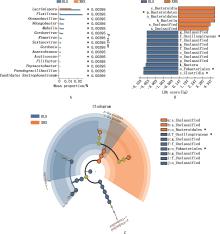
Fig.3
Analysis of the composition of rumen microbial species in Duolang sheep and Hu sheepA,The top 15 microbial species that exhibit significant differences between Duolang sheep and Hu sheep;B and C,LDA resuts of Duolang sheep and Hu sheep at the order and family levels,respectively"

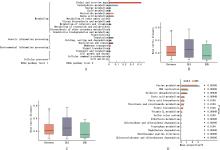
Fig.4
Difference analysis in rumen microbial function between Duolang sheep and Hu sheepA, Statistical chart of KEGG secondary metabolic pathway; B and C, KEGG difference analysis of Anosim and PerMANOVA between the both sheep,respectively; D, KEGG tertiary pathways with significant differences (top 10)"

Table 1
Sequence alignment results between sample sequencing data and reference genome"
样品 Samples | 高质量序列 Clean reads/bp | 有效数据 Clean bases/Gb | GC含量 GC contents/% | Q20/% | Q30/% |
|---|---|---|---|---|---|
| DLMG1 | 21 685 180 | 17.85 | 48.96 | 95.24 | 87.17 |
| DLMG2 | 20 521 488 | 18.32 | 48.83 | 95.16 | 87.07 |
| DLMG3 | 21 430 318 | 18.76 | 48.33 | 95.12 | 86.90 |
| DLMG4 | 20 430 717 | 19.15 | 48.65 | 95.17 | 87.12 |
| DLMG5 | 21 598 968 | 19.58 | 48.87 | 95.29 | 87.41 |
| DLMG6 | 21 710 435 | 19.93 | 48.32 | 95.21 | 87.20 |
| HTHG1 | 22 341 129 | 20.21 | 47.99 | 97.36 | 92.80 |
| HTHG2 | 23 771 873 | 20.47 | 48.10 | 97.75 | 93.68 |
| HTHG3 | 22 438 755 | 20.68 | 48.54 | 97.62 | 93.40 |
| HTHG4 | 22 442 541 | 20.84 | 47.24 | 97.71 | 93.53 |
| HTHG5 | 21 421 674 | 21.05 | 48.79 | 97.31 | 92.82 |
| HTHG6 | 23 058 823 | 21.12 | 48.28 | 97.58 | 93.26 |
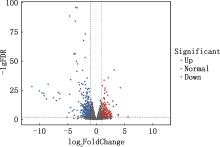
Fig.5
Volcano map of differentially expressed genes in liver of Duolang sheep and Hu sheep"
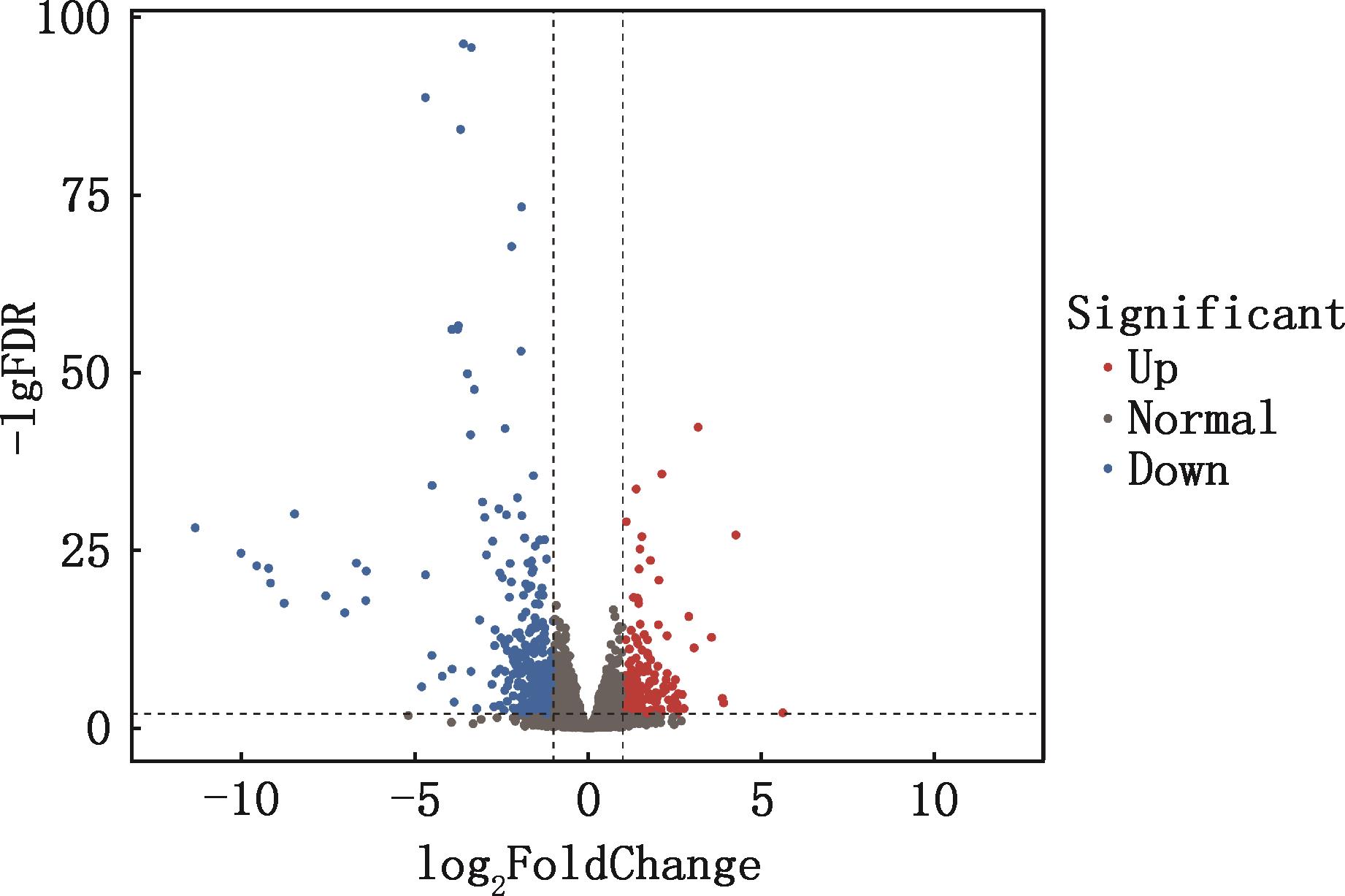
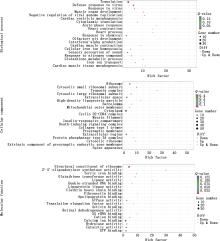
Fig.6
GO function enrichment results of differentially expressed genes in liver of Duolang sheep and Hu sheep"

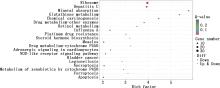
Fig.7
KEGG pathway enrichment results for differentially expressed genes in liver of Duolang sheep and Hu sheep"
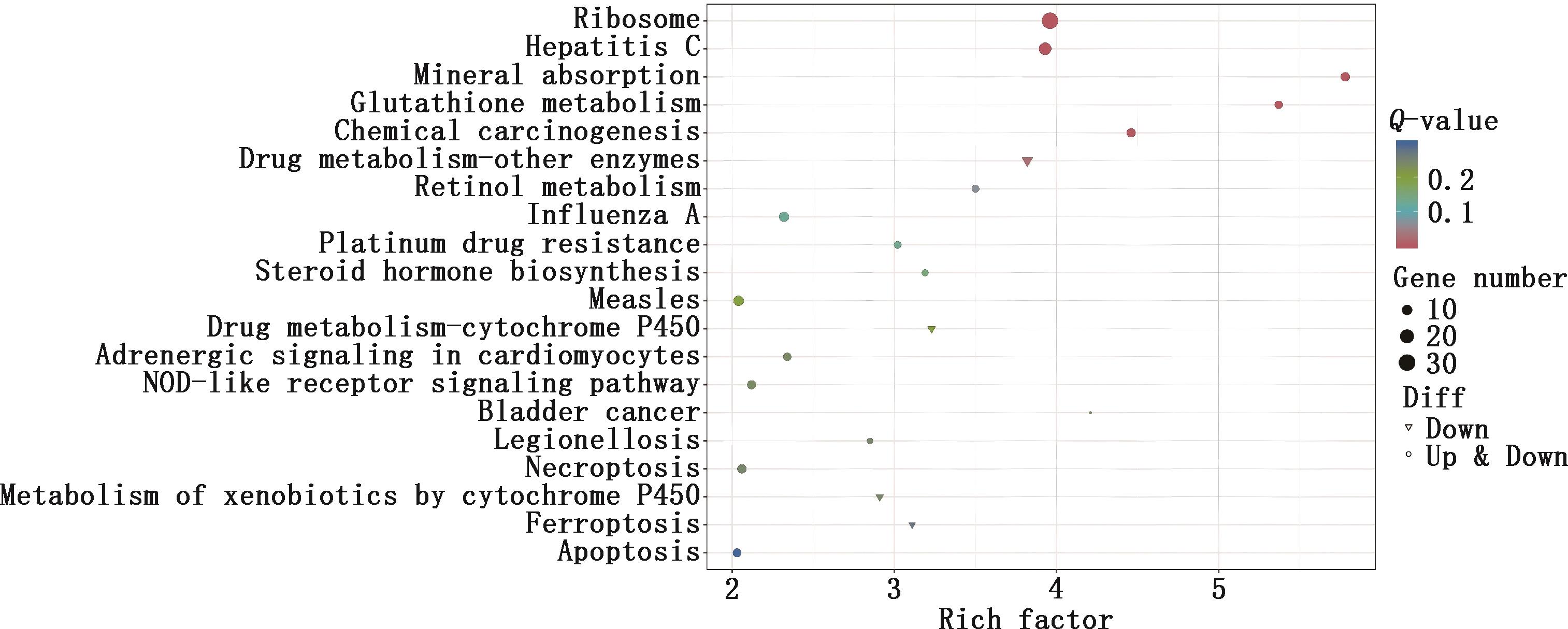
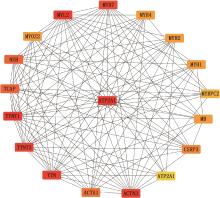
Fig.8
PPI network mapping of differentially expressed genes in the liver of Duolang sheep and Hu sheep"

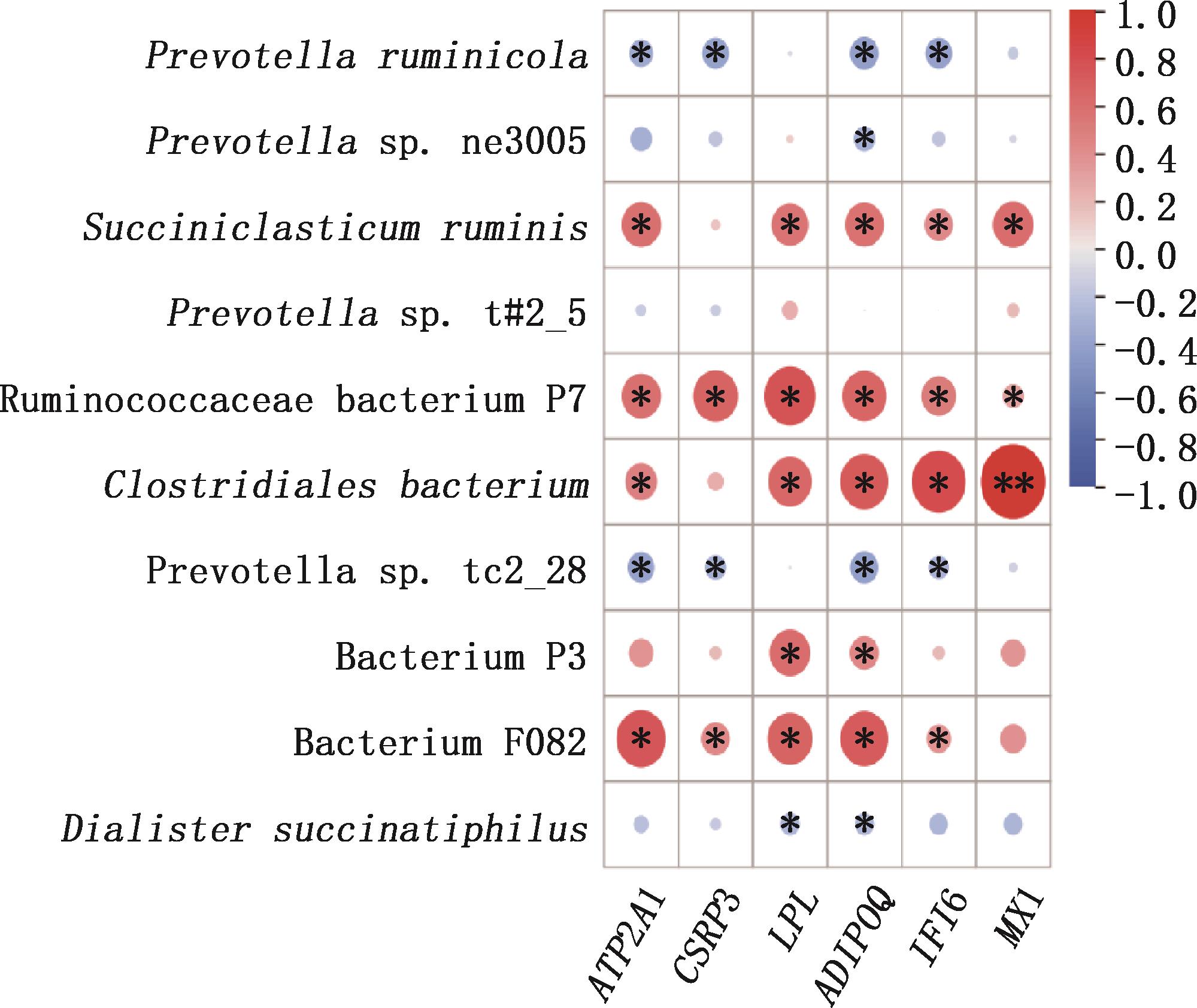
Fig.9
Correlation of rumen microorganisms and differentially expressed genes in liver of sheep① The size of the circle represents significance, red represents positive correlation, and blue represents negative correlation.②*, Significant correlation (P<0.05)"
| [1] | DE KORT H, PRUNIER J G, DUCATEZ S, et al. Life history, climate and biogeography interactively affect worldwide genetic diversity of plant and animal populations[J]. Nature Communications, 2021, 12(1): 516. |
| [2] | DEPARDIEU C, GIRARDIN M P, NADEAU S, et al. Adaptive genetic variation to drought in a widely distributed conifer suggests a potential for increasing forest resilience in a drying climate[J]. New Phytologist, 2020, 227(2):427-439. |
| [3] | LIMA J S, BALLESTEROS-MEJIA L, LIMA-RIBEIRO M S, et al. Climatic changes can drive the loss of genetic diversity in a Neotropical savanna tree species[J]. Global Change Biology, 2017, 23(11):4639-4650. |
| [4] | BELLARD C, BERTELSMEIER C, LEADLEY P, et al. Impacts of climate change on the future of biodiversity[J]. Ecology Letters, 2012, 15(4):365-377. |
| [5] | STORZ J F. High-altitude adaptation: Mechanistic insights from integrated genomics and physiology[J]. Molecular Biology and Evolution, 2021, 38(7):2677-2691. |
| [6] | WU D D, YANG C P, WANG M S, et al. Convergent genomic signatures of high-altitude adaptation among domestic mammals[J]. National Science Review, 2020, 7(6):952-963. |
| [7] | SEJIAN V, BHATTA R, GAUGHAN J B, et al. Review: Adaptation of animals to heat stress[J]. Animal, 2018, 12(s2):s431-s444. |
| [8] | 任晓镤, 李明杨, 杨艳玲, 等.新疆多浪羊与其他地方品种羊肉贮藏特性比较[J]. 食品与发酵工业, 2017, 43(8):262-266. |
| REN X P, LI M Y, YANG Y L, et al. Comparison of storage characteristics of Duolang sheep in Xinjiang and other local breeds of mutton[J]. Food and Fermentation Industries, 2017, 43(8):262-266. (in Chinese) | |
| [9] | 李明洋, 郁万瑞, 陈亚飞, 等. 不同生长阶段多浪羊肌肉氨基酸含量分析[J].吉林畜牧兽医, 2023, 44(1):1-3. |
| LI M Y, YU W R, CHEN Y F, et al. Analysis of amino acid content of muscles of multi-way sheep at different growth stages[J]. Jilin Animal Husbandry and Veterinary Medicine, 2023, 44(1):1-3. (in Chinese) | |
| [10] | 李超旭. 湖羊高效饲养与疫病防控的技术要点[J].畜牧兽医科技信息, 2019, 10:91. |
| LI C X. Technical points for efficient feeding of lake sheep and prevention and control of epidemics[J]. Information on Animal Husbandry and Veterinary Science and Technology, 2019, 10:91. (in Chinese) | |
| [11] | CHEN T, WANG L, LI Q, et al. Functional probiotics of lactic acid bacteria from Hu sheep milk[J]. BMC Microbiology, 2020, 20(1):228. |
| [12] | BETANCUR-MURILLO C L, AGUILAR-MARÍN S B, JOVEL J. Prevotella: A key player in ruminal metabolism[J]. Microorganisms, 2022, 11(1):1. |
| [13] | ZHANG Y K, ZHANG X X, LI F D, et al. Characterization of the rumen microbiota and its relationship with residual feed intake in sheep[J]. Animal, 2021, 15(3):100161. |
| [14] | WANG Y, CAO P, WANG L, et al. Bacterial community diversity associated with different levels of dietary nutrition in the rumen of sheep[J]. Applied Microbiology and Biotechnology, 2017, 101(9):3717-3728. |
| [15] | DERAKHSHANI H, TUN H M, CARDOSO F C, et al. Linking peripartal dynamics of ruminal microbiota to dietary changes and production parameters[J]. Frontiers in Microbiology, 2017, 7:2143. |
| [16] | YANG F, HENNIGER M T, IZZO A S, et al. Performance improvements and increased ruminal microbial interactions in Angus heifers via supplementation with native rumen bacteria during high-grain challenge[J]. Scientific Reports, 2025, 15(1):2289. |
| [17] | BAINBRIDGE M L, CERSOSIMO L M, WRIGHT A D, et al. Rumen bacterial communities shift across a lactation in Holstein, Jersey and Holstein × Jersey dairy cows and correlate to rumen function, bacterial fatty acid composition and production parameters[J]. FEMS Microbiology Ecology, 2016, 92(5):fiw059. |
| [18] | MCCANN J C, WILEY L M, FORBES T D, et al. Relationship between the rumen microbiome and residual feed intake-efficiency of Brahman bulls stocked on bermudagrass pastures[J]. PLoS One, 2014, 9(3):e91864. |
| [19] | ARRUDA A P, DA-SILVA W S, CARVALHO D P, et al. Hyperthyroidism increases the uncoupled ATPase activity and heat production by the sarcoplasmic reticulum Ca2+-ATPase[J]. Biochemical Journal, 2003, 375(Pt 3):753-760. |
| [20] | HERNANDEZ-CARRETERO A, WEBER N, LABARGE S A, et al. Cysteine- and glycine-rich protein 3 regulates glucose homeostasis in skeletal muscle[J]. American Journal of Physiology,2018,315(2):E267-E278. |
| [21] | 郑 言, 曹中赞, 邱云桥, 等. 脂联素与其受体的结构及在脂类代谢中的作用机制[J]. 动物营养学报, 2022, 34(6):3503-3510. |
| ZHENG Y, CAO Z Z, QIU Y Q, et al. The structure of adiponectin and its receptors and its mechanism of action in lipid metabolism[J]. Chinese Journal of Animal Nutrition, 2022, 34(6):3503-3510. (in Chinese) | |
| [22] | 李付娟, 王帅, 朱亚楠, 等. ADIPOQ shRNA在猪前体脂肪细胞中转染体系的优化[J].中国兽医学报, 2013, 33(4):616-626. |
| LI F J, WANG S, ZHU Y N, et al. Optimization of transfection system of ADIPOQ shRNA in pig precursor adipocytes[J]. Chinese Veterinary Medicine Journal, 2013, 33(4):616-626. (in Chinese). | |
| [23] | LIN H, LIAN W S, CHEN H H, et al. Adiponectin ameliorates iron-overload cardiomyopathy through the PPARα-PGC-1-dependent signaling pathway[J]. Molecular Pharmacology, 2013, 84(2):275-285. |
| [24] | PANT M, BAL N C, PERIASAMY M. Sarcolipin: A key thermogenic and metabolic regulator in skeletal muscle[J]. Trends in Endocrinology and Metabolism, 2016, 27(12):881-892. |
| [25] | 何丹妮, 周斌, 张小敏, 等. 猪源Mx1基因的原核表达及其抗血清制备[J]. 南京农业大学学报, 2012, 35(1):87-91. |
| HE D N, ZHOU B, ZHANG X M, et al. Prokaryotic expression of porcine Mx1 gene and its antiserum preparation[J]. Journal of Nanjing Agricultural University, 2012, 35(1):87-91. (in Chinese) | |
| [26] | 李梦柔, 张健, 董世雄, 等. 藏猪与大约克夏猪Mx1基因的表达差异研究[J]. 高原农业, 2020, 4(2):166-171. |
| LI M R, ZHANG J, DONG S X, et al. Study on the expression differences between Mx1 genes of Tibetan pigs and Yorkshire pigs[J]. Plateau Agriculture, 2020, 4(2):166-171. (in Chinese) | |
| [27] | LEAMAN D W, CHAWLA-SARKAR M, JACOBS B, et al. Novel growth and death related interferon-stimulated genes (ISGs) in melanoma: Greater potency of IFN-beta compared with IFN-alpha2[J]. Journal of Interferon & Cytokine Research, 2003, 23(12):745-756. |
| [28] | VIET-NHI N K, MINH QUAN T, CONG TRUC V, et al. Multiomics analysis reveals the IFI6 gene as a prognostic indicator and therapeutic target in esophageal cancer[J]. International Journal of Molecular Sciences, 2024, 25(5):2691. |
| [1] | HU Honglian, LI Lanzhu, XU Xiaohui, ZHAO Haixia, ZHAO Meng, SONG Liwen, WANG Jianjun, SUN Manji. Effects of Rutin on Barrier Function and Inflammatory Injury of Rumen Epithelial Cells Induced by Lipopdysaccharide [J]. China Animal Husbandry & Veterinary Medicine, 2026, 53(2): 1033-1042. |
| [2] | SONG Runrun, ZHANG Huan, LUOSANG Quzhen, CI Puchi, ZHANG Nianzhang. Research Progress of Albendazole in the Treatment of Cystic Echinococcosis [J]. China Animal Husbandry & Veterinary Medicine, 2026, 53(2): 555-563. |
| [3] | SUN Lu, LI Shufang, WANG Lina, ZHAO Jianxin, LU Henan, WANG Hairong. Effects of Total Alkaloids from Sophora alopecuroides Added to a High-concentrate Diet on Hepatic Glucose Metabolism in Sheep Based on Transcriptome Sequencing [J]. China Animal Husbandry & Veterinary Medicine, 2026, 53(2): 671-681. |
| [4] | Changchang LI, Yinglian WU, Zhenxiang YANG, Lingui LI, Rongyan QIN, Yanfeng LIU, Guishan XU, Wenqi WANG, Qiyu DIAO. Effects of Suaeda salsa Extract on Rumen Fermentation Parameters and Gastrointestinal Microbiota Community Structure of Hu Sheep [J]. China Animal Husbandry & Veterinary Medicine, 2026, 53(2): 749-760. |
| [5] | Zhenxiang YANG, Lingui LI, Changchang LI, Wenbin MA, Yanfeng LIU, Huiguo YANG, Wenqi WANG, Changqing LI. Effect of Adding Yeast Cultures During Mid to Late Gestation on Production Performance, Postpartum Serum Indices and Rumen Fermentation Parameters in Ewes [J]. China Animal Husbandry & Veterinary Medicine, 2026, 53(2): 810-818. |
| [6] | Ping CHEN, Jianpeng XIE, Zhenfu HE, Fei WANG. Effects of Diets with Different Protein Levels on Rumen Metabolism in Yaks [J]. China Animal Husbandry & Veterinary Medicine, 2026, 53(1): 165-178. |
| [7] | Xiaohan WANG, Huiguang WU, Lijing REN, Jiangnan ZHAO, Miao LIN, Jingwen ZHAO. Effects of Glycerol Monolaurate on Growth Performance, Rumen Fermentation Parameters, Serum Biochemical Indices, and Gas Emissions in Dairy Cows [J]. China Animal Husbandry & Veterinary Medicine, 2026, 53(1): 179-189. |
| [8] | DANG Danqi, KONG Xiaohui, TIAN Haoliang, LIAN Hongxia, GAO Tengyun, ZHANG Liangyu, ZHANG Liyang, FU Tong. Effects of Peanut Vine Compound Extruded Feed on Growth Performance, Rumen Fermentation and Microbial Composition of Fattening Hu Sheep [J]. China Animal Husbandry & Veterinary Medicine, 2025, 52(9): 4082-4093. |
| [9] | SHAN Jing, LIU Wuxiong, HE Lingyun, DU Hanxiang, QU Xiangyong, GUO Songchang, SHU Zhixiang, LI Zhiwen, HE Changqing. Comparative Study on Liver Tissue,Intestinal Morphology and Intestinal Flora in Different Breeds of Goslings [J]. China Animal Husbandry & Veterinary Medicine, 2025, 52(9): 4094-4104. |
| [10] | LI Haonan, LI Jiahui, YANG Fan, WEI Wenjuan, LYU Qiongxia, ZHANG Ziqiang, LIU Yumei, CHEN Xiaoguang. Research Progress on the Protective Effect of Resveratrol in Mycotoxin-induced Liver Injury in Livestock [J]. China Animal Husbandry & Veterinary Medicine, 2025, 52(9): 4114-4122. |
| [11] | ZHAO Runze, MIN Zhaoling, NIU Naiqi, ZONG Wencheng, YAN Yibo, ZHANG Longchao. Identification of Major Genes Affecting the Number of Thoracic Vertebrae in Beijing Black Pigs Based on the Joint Analysis of GWAS and Embryonic Gene Expression Differences in Divergently Selected Lines [J]. China Animal Husbandry & Veterinary Medicine, 2025, 52(9): 4182-4194. |
| [12] | LI Xiaoxiao, KE Jincheng, LI Li. Research Progress on the Mechanism of Traditional Chinese Medicine Flavonoids in Improving Nonalcoholic Fatty Liver Disease [J]. China Animal Husbandry & Veterinary Medicine, 2025, 52(9): 4484-4496. |
| [13] | TIAN Jindong, TA La, LI Weiwei, XU Huijuan, WU Jianghong, WUDUBALA, HU Sile, CAO Wenya, SONG Hongli, FU Shaoyin, LI Chun. Screening of Candidate Genes Related to Cashmere Shedding in Cashmere Goats Based on Transcriptome and Proteome Analysis [J]. China Animal Husbandry & Veterinary Medicine, 2025, 52(8): 3497-3514. |
| [14] | DENG Yunqi, SHI Bingang, ZHAO Zhidong, HU Jiang, ZHANG Xiaolan. Transcriptome Analysis of Tianzhu White Yak Skin at Different Age Stages and Identification of Immune-regulating Genes [J]. China Animal Husbandry & Veterinary Medicine, 2025, 52(8): 3515-3526. |
| [15] | ZHANG Zhaoling, LI Xiongxiong, WANG Yanchi, JIAO Ting, TAN Xianyi, LIU Chao, ZHAO Shengguo, CAI Yuan. Effect of Yeast Cultures on Growth Performance,Blood Physiological and Biochemical Indexes and Rumen Fermentation Parameters in Lambs [J]. China Animal Husbandry & Veterinary Medicine, 2025, 52(8): 3563-3573. |
| Viewed | ||||||
|
Full text |
|
|||||
|
Abstract |
|
|||||
