
China Animal Husbandry & Veterinary Medicine ›› 2026, Vol. 53 ›› Issue (1): 276-286.doi: 10.16431/j.cnki.1671-7236.2026.01.025
• Physiological and Biochemical • Previous Articles Next Articles
LIU Shasha1( ), LI Wenfang2, ZHANG Zhaoxin1, XIANG Shuangyun1, FU Jingtao1()
Received:2025-05-12
Online:2026-01-05
Published:2025-12-26
Contact:
FU Jingtao
E-mail:80135@bvca.edu.cn;71715@bvca.edu.cn
CLC Number:
LIU Shasha, LI Wenfang, ZHANG Zhaoxin, XIANG Shuangyun, FU Jingtao. Effects of Exercise on Plasma and Fecal Metabolomes in Turkmen Horses and Their Correlation Analysis[J]. China Animal Husbandry & Veterinary Medicine, 2026, 53(1): 276-286.
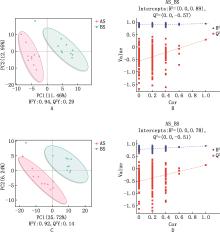
Fig.1
Results of PLS-DA analysis of plasma metabolites from pre- and post-exercise horsesA,PLS-DA analysis result of positive ion mode; B, PLS-DA sequencing verification diagram of positive ion mode; C,PLS-DA analysis result of negative ion mode; D, PLS-DA sequencing verification diagram of negative ion mode. The same as fig.3"
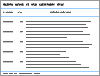
Table 1
Results of screening of differential plasma metabolites from pre- and post-exercise horses"
模式 Mode | 代谢物总数 Total metabolites | 差异代谢物 Significant metabolites | 显著上调 Upregulation | 显著下调 Downregulation |
|---|---|---|---|---|
正离子模式 Positive ion model | 393 | 35 | 24 | 11 |
负离子模式 Negative ion model | 321 | 71 | 23 | 48 |
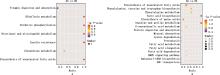
Fig.2
KEGG pathway enrichment analysis of differential plasma metabolites from pre- and post-exercise horsesA,Bubble map of KEGG enrichment in positive ion model; B,Bubble map of KEGG enrichment in negative ion model. The same as fig.4"
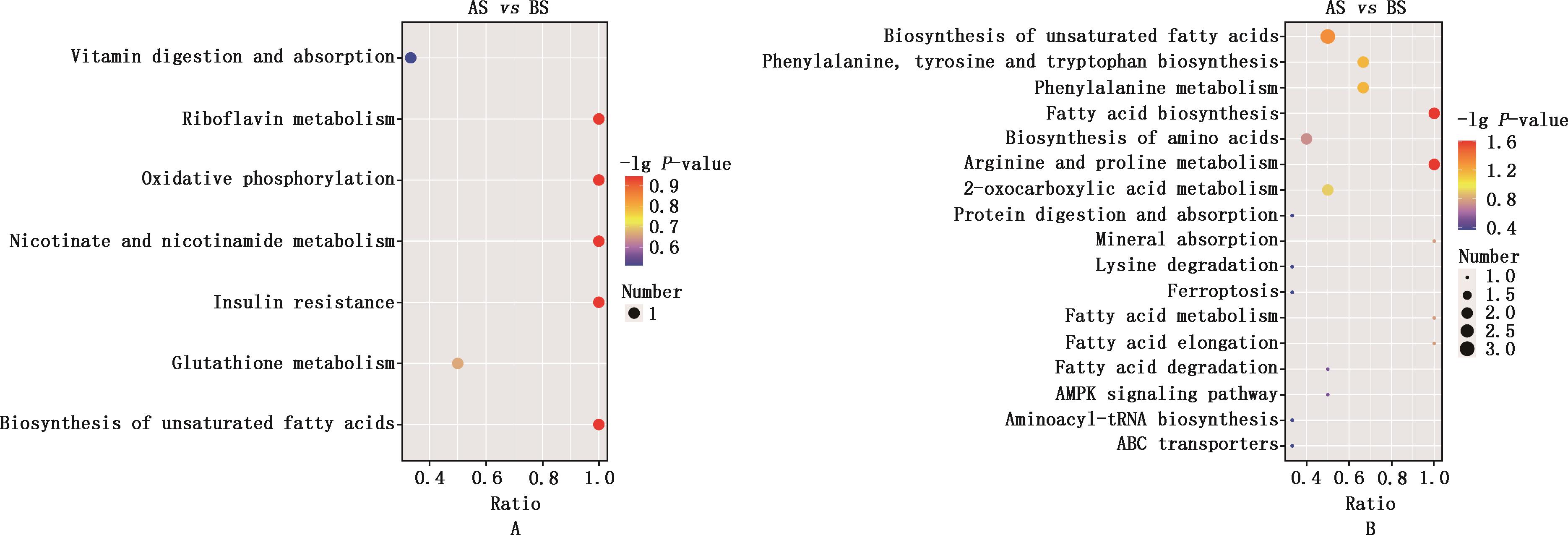
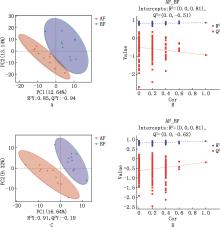
Fig.3
Results of PLS-DA analysis of fecal metabolites from pre- and post-exercise horses"

Table 2
Results of screening of differential fecal metabolites from pre- and post-exercise horses"
模式 Mode | 代谢物总数 Total metabolites | 差异显著代谢物 Significant metabolites | 显著上调 Upregulation | 显著下调 Downregulation |
|---|---|---|---|---|
| 正离子模式 Positive ion model | 869 | 17 | 6 | 11 |
| 负离子模式 Negative ion model | 444 | 35 | 2 | 33 |
Fig.4
KEGG pathway enrichment analysis of differential fecal metabolites from pre- and post-exercise horses"
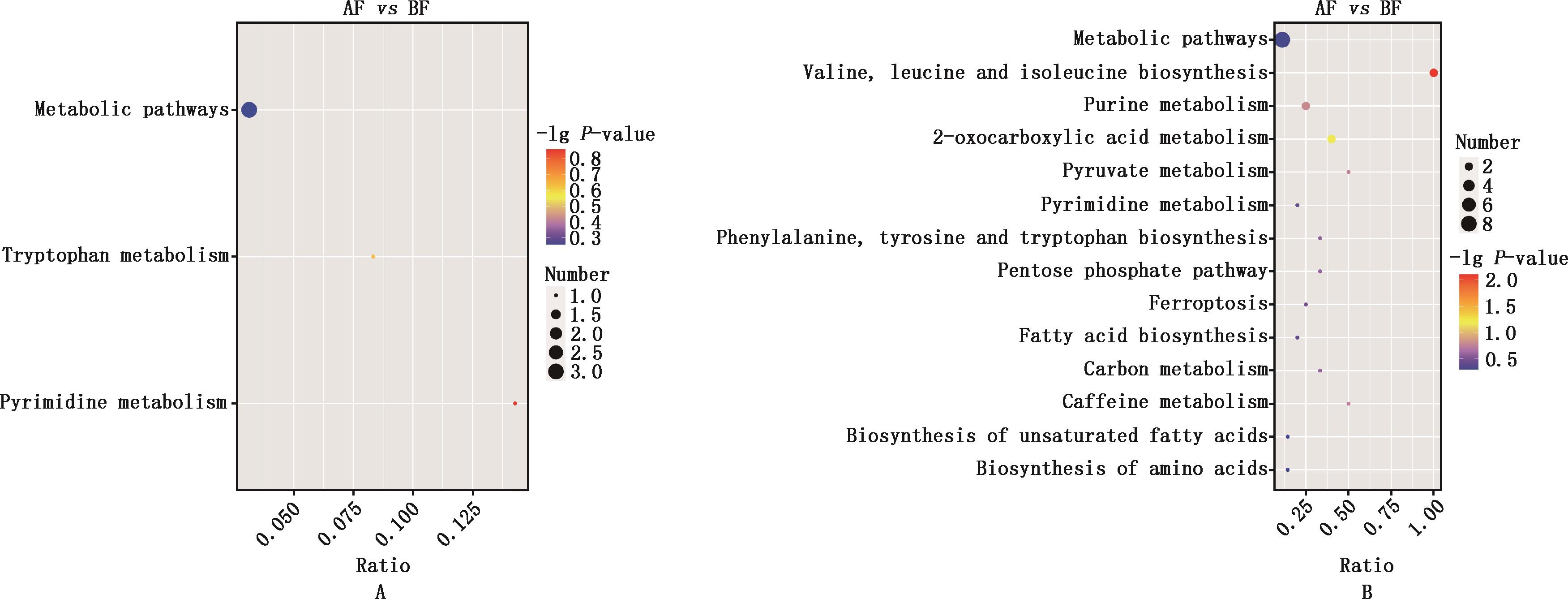
Table 3
Significant Spearman’s correlations of common metabolites between the plasma and feces"
| 代谢物名称 Metabolite names | 相关系数Correlation coefficient (r) | P值 P-value |
|---|---|---|
| 反式岩芹酸 Trans-petroselinic acid | 0.85 | >0.05 |
| 2-苯基甘氨酸 2-phenylglycine | 0.78 | >0.05 |
| 肾上腺酸 Adrenic acid | 0.92 | <0.05 |
| 2-酮己酸 2-ketohexanoic acid | 0.89 | >0.05 |
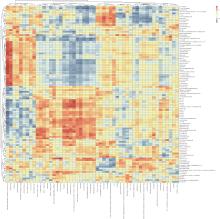
Fig.5
Correlation analysis of plasma and fecal metabolites"

| [1] | 符颢译, 孙远方, 孟军, 等. 不同比赛途程伊犁马赛前血浆代谢组差异分析[J]. 中国饲料, 2025,7: 62-70. |
| FU H Y, SUN Y F, MENG J, et al. Analysis of pre-race plasma metabolomic differences in Yili horses with different race distances[J]. China Feed, 2025,7: 62-70. (in Chinese) | |
| [2] | 魏睿元. 内蒙古马匹耐力运动训练代谢组学的研究[D]. 呼和浩特: 内蒙古农业大学, 2020. |
| WEI R Y. Study on the metabolomics of endurance training in Mongolian horses[D]. Hohhot: Inner Mongolia Agricultural University, 2020. (in Chinese) | |
| [3] | BONHOMME M M, PATARIN F, KRUSE C J, et al. Untargeted metabolomics profiling reveals exercise intensity-dependent alterations in thoroughbred racehorses’ plasma after routine conditioning sessions[J]. ACS Omega, 2023, 8(50): 48557-48571. |
| [4] | 韩紫祥, 姚新奎, 臧长江, 等. 调教训练不同阶段对伊犁马粪便代谢组学的影响[J]. 中国畜牧兽医, 2024, 51(2): 568-580. |
| HAN Z X, YAO X K, ZANG C J, et al. Effects of conditioning training at different stages on fecal metabolomics in Yili horses[J]. China Animal Husbandry & Veterinary Medicine, 2024, 51(2): 568-580. (in Chinese) | |
| [5] | WATSON R R, PREEDY V R. Bioactive Food as Dietary Interventions for Diabetes[M]. 2nd ed. London: Academic Press, 2018. |
| [6] | CASALS N, RODRIGUEZ R. Carnitine palmitoyltransferases in GtoPdb v.2024.4[J]. IUPHAR/BPS Guide to Pharmacology CITE, 2024,4:2024. |
| [7] | HASHIMOTO T, SATO K, IEMITSU M. Exercise-inducible factors to activate lipolysis in adipocytes[J]. Journal of Applied Physiology, 2013, 115(2): 260-267. |
| [8] | HOROWITZ J F, KLEIN S. Lipid metabolism during endurance exercise[J]. The American Journal of Clinical Nutrition, 2000, 72(2): 558S-563S. |
| [9] | TURNER E H, LOFTIS J M, BLACKWELL A D. Serotonin a la carte: Supplementation with the serotonin precursor 5-hydroxytryptophan[J]. Pharmacology & Therapeutics, 2006, 109(3): 325-338. |
| [10] | LIU Y, WANG Z, LI J, et al. Inhibition of 5-hydroxytryptamine receptor 2B reduced vascular restenosis and mitigated the β-arrestin2-mammalian target of rapamycin/p70S6K pathway[J]. Journal of the American Heart Association, 2018, 7(3): e006810. |
| [11] | SREDNI D, GROSSMAN S. Hydroperoxide isomers and ketohydroxy product from oxidation of linoleic acid by eggplant lipoxygenase[J]. Phytochemistry, 1980, 19(7): 1335-1337. |
| [12] | TAKIGAWA Y, KOSHIISHI I. Catalytic production of oxo-fatty acids by lipoxygenases is mediated by the radical-radical dismutation between fatty acid alkoxyl radicals and fatty acid peroxyl radicals in fatty acid assembly[J]. Chemical and Pharmaceutical Bulletin, 2020, 68(3): 258-264. |
| [13] | NIKI E. Lipid peroxidation products as oxidative stress biomarkers[J]. BioFactors, 2008, 34(2): 171-180. |
| [14] | SCHULTE M, FRICK K, GNANDT E, et al. A mechanism to prevent production of reactive oxygen species by Escherichia coli respiratory complex Ⅰ[J]. Nature Communications, 2019, 10(1): 2551. |
| [15] | ONUKWUFOR J O, BERRY B J, WOJTOVICH A P. Physiologic implications of reactive oxygen species production by mitochondrial complex Ⅰ reverse electron transport[J]. Antioxidants, 2019, 8(8): 285. |
| [16] | AVERILL-BATES D A. The antioxidant glutathione[J]. Vitamins and Hormones, 2023, 121: 109-141. |
| [17] | RAMON S, BAKER S F, SAHLER J M, et al. The specialized proresolving mediator 17-HDHA enhances the antibody-mediated immune response against Influenza virus: A new class of adjuvant?[J]. The Journal of Immunology, 2014, 193(12): 6031-6040. |
| [18] | KIM N, RAMON S, THATCHER T H, et al. Specialized proresolving mediators (SPMs) inhibit human B-cell IgE production[J]. European Journal of Immunology, 2015, 46(1): 81-91. |
| [19] | LUGOH-HUITRÓN R, BLANCO-AYALA T, UGALDE-MUñIZ P, et al. On the antioxidant properties of kynurenic acid: Free radical scavenging activity and inhibition of oxidative stress[J]. Neurotoxicology and Teratology, 2011, 33(5): 538-547. |
| [20] | WIRTHGEN E, HOEFLICH A, REBL A, et al. Kynurenic acid: The janus-faced role of an immunomodulatory tryptophan metabolite and its link to pathological conditions[J]. Frontiers in Immunology, 2017, 8: 1957. |
| [21] | WANG Z, YIN L, QI Y, et al. Intestinal flora-derived kynurenic acid protects against intestinal damage caused by candida albicans infection via activation of aryl hydrocarbon receptor[J]. Frontiers in Microbiology, 2022, 13: 934786. |
| [22] | TURSKI M P, TURSKA M, PALUSZKIEWICZ P, et al. Kynurenic acid in the digestive system-new facts, new challenges[J]. International Journal of Tryptophan Research, 2013, 6: 47-55. |
| [23] | BROUWERS H, JÓNASDÓTTIR H S, KUIPERS M E, et al. Anti-inflammatory and proresolving effects of the omega-6 polyunsaturated fatty acid adrenic acid[J]. The Journal of Immunology, 2020, 205(10): 2840-2849. |
| [24] | YORE M M, SYED I, MORAES-VIEIRA P M, et al. Discovery of a class of endogenous mammalian lipids with anti-diabetic and anti-inflammatory effects[J]. Cell, 2014, 159(2): 318-332. |
| [25] | OH D Y, TALUKDAR S, BAE E J, et al. GPR120 is an omega-3 fatty acid receptor mediating potent anti-inflammatory and insulin-sensitizing effects[J]. Cell, 2010, 142(5): 687-698. |
| [26] | ZHOU P, SANTORO A, PERONI O D, et al. PAHSAs enhance hepatic and systemic insulin sensitivity through direct and indirect mechanisms[J]. Journal of Clinical Investigation, 2019, 129(16): 4138-4150. |
| [27] | MOYO K M, CHOI J, CHANG J, et al. 12-OAHSA is a component of olive oil and mitigates obesity-induced inflammation[J]. The Journal of Nutritional Biochemistry, 2022, 110: 109127. |
| [28] | LEE J, MORAES-VIEIRA P M, CASTOLDI A, et al. Branched fatty acid esters of hydroxy fatty acids (FAHFAs) protect against colitis by regulating gut innate and adaptive immune responses[J]. Journal of Biological Chemistry, 2016, 291(42): 22207-22217. |
| [29] | SYED I, MAGUPALLI V G, ARYAL P, et al. 1765-P: Inhibition of NLRP3 inflammasome activation and reduction in T-cell migration are key mechanisms by which PAHSAs protect against type 1 diabetes[J]. Diabetes, 2024, 73(): 1765-P. |
| [30] | CHEN J, YANG Y, YANG Y, et al. Dietary supplementation with glycine enhances intestinal mucosal integrity and ameliorates inflammation in C57BL/6J mice with high-fat diet-induced obesity[J]. The Journal of Nutrition, 2021, 151(7): 1769-1778. |
| [31] | ZHU S, HE Y, LEI J N, et al. The chemical and biological characteristics of fatty acid esters of hydroxyl fatty acids[J]. Nutrition Reviews, 2024, 83(2): e427-e442. |
| [32] | BENLEBNA M, BALAS L, BONAFAFOS B, et al. Long-term intake of 9-PAHPA or 9-OAHPA modulates favorably the basal metabolism and exerts an insulin sensitizing effect in obesogenic diet-fed mice[J]. European Journal of Nutrition, 2020, 60(4): 2013-2027. |
| [33] | LEE J, WELLENSTEIN K, RAHNAVARD A, et al. Beneficial metabolic effects of PAHSAs depend on the gut microbiota in diet-induced obese mice but not in chow-fed mice[J]. Proceedings of the National Academy of Sciences of the United States of America, 2024, 121(28): e2318691121. |
| [1] | WANG Haojie, HUA Tian, CHEN Shihao, BI Yulin, JIANG Yong, WANG Zhixiu, CHEN Guohong, BAI Hao, CHANG Guobin. Research Progress on Effects of Intestinal Flora on Immune System of Livestock and Poultry [J]. China Animal Husbandry & Veterinary Medicine, 2025, 52(7): 3398-3408. |
| [2] | LI Yajuan, SONG Kelin, LI Jie, ZHANG Yali, LIANG Yuhao, LI Yao, GUN Shuangbao, GAO Xiaoli. Research Progress on the Effects of Cold Stress on Animal Energy Metabolism and Its Molecular Regulation [J]. China Animal Husbandry & Veterinary Medicine, 2025, 52(4): 1616-1626. |
| [3] | LI Huanhuan, YU Chenmin, TIAN Xiaorong, LI Rui, LI Zongyun, ZHANG Yanyan, ZHAO Di, WANG Lei, HOU Yongqing, WU Tao. Protective Effect of Catechu Extract on the Colon of Young Piglets Infected with Porcine Epidemic Diarrhea Virus [J]. China Animal Husbandry & Veterinary Medicine, 2025, 52(3): 1360-1369. |
| [4] | WU Xingping, ZHANG Hailin, LIU Xueqin, DING Yuchun, DING Chuanxiang, LUO Lin, WU Meng. Strategies for Improving the Efficiency of Somatic Cell Nuclear Transfer in Pigs [J]. China Animal Husbandry & Veterinary Medicine, 2025, 52(12): 5829-5838. |
| [5] | HUANG Jinlong, OUYANG Wen, HENG Shibing, WANG Tongliang, HUANG Yunjiang, HU Aoyun, PENG Xuan, MENG Jun, YAO Xinkui, WANG Jianwen, REN Wanlu, ZENG Yaqi. Study on Difference of Energy Metabolism Characterization in Yili Horses with Different Exercise Performances in an 80 km Endurance Race [J]. China Animal Husbandry & Veterinary Medicine, 2025, 52(11): 5040-5052. |
| [6] | ZHU Wenshu, CHEN Yong, LIU Mengjian. Guanidinoacetic Acid Regulation of Animal Energy Metabolism and Improvement of Production Performance:A Review [J]. China Animal Husbandry & Veterinary Medicine, 2025, 52(10): 4688-4696. |
| [7] | CHANG Xinxin, HUANG Xin, FAN Gang, YANG Jiaxin, ZHANG Weiwei, YANG Qingzhu, TIAN Zhe. Inhibitory Effect of Cannabidiol on LPS-induced Inflammatory Response and Apoptosis of Mouse Mammary Epithelial Cells [J]. China Animal Husbandry & Veterinary Medicine, 2025, 52(1): 60-69. |
| [8] | QIAO Changhong, CHEN Jing, LUO Qin, LIU Baoling, HE Zhenwen, LIU Dingyu, CHEN Xiangyu, WANG Xiaohu, WANG Gang, BAI Aiquan, CAI Rujian. Advances in Inflammation Induced by Porcine Reproductive and Respiratory Syndrome Virus and Anti-inflammatory Drugs [J]. China Animal Husbandry & Veterinary Medicine, 2024, 51(8): 3528-3539. |
| [9] | ZHOU Yingqing, LIU Yuxuan, YE Zhiwang, PEI Xinru, DU Xin, GAO Yang. Development of Squalene and Its Application in Animal Production [J]. China Animal Husbandry & Veterinary Medicine, 2024, 51(3): 1077-1085. |
| [10] | LIU Bo, GONG Zhiguo, HASI Surong. Effects of MLKL on Secretion of Inflammatory Mediators and Activation of Inflammatory Signaling Pathway Induced by Staphylococcus aureus [J]. China Animal Husbandry & Veterinary Medicine, 2024, 51(12): 5560-5569. |
| [11] | JIA Xuechun, RONG Yanhua, ZHU Zhiwei, LI Pengfei. Whole-Genome Resequencing Reveals Genetic Potential for Phenotypic Merit in Jinnan Cattle [J]. China Animal Husbandry & Veterinary Medicine, 2024, 51(1): 1-10. |
| [12] | FANG Qinyuan, FU Shaoyin, WANG Biao, HE Xiaolong, HE Jiangfeng, WANG Liwei, CHEN Xin, ZHANG Lin, WANG Daqing, MA Yuejun, ZHANG Liling, LIU Yongbin. Research Progress on Influencing Factors of Brown Fat Activity in Sheep [J]. China Animal Husbandry & Veterinary Medicine, 2023, 50(3): 1059-1067. |
| [13] | FU Jingcheng, HE Junhui, TONG Jiang, WU Wei, GUO Shuang, YANG Yanbin, HAN Yingqian, WANG Yueying, LI Heping. Anti-inflammatory and Antioxidant Roles of HO-1 in Macrophages [J]. China Animal Husbandry & Veterinary Medicine, 2023, 50(2): 807-816. |
| [14] | FU Min, CHEN Tianbao, LAI Jingwen, OUYANG Yiting, CHEN Min, ZENG Hongliang. Effects of Dietary Energy to Nitrogen Ratios on Growth Performance, Nutrient Digestibility and Metabolism of Jianzhou Da'er Goats [J]. China Animal Husbandry & Veterinary Medicine, 2022, 49(7): 2523-2533. |
| [15] | SHI Xiaoyu, SONG Yue, FENG Min, GAO Zhenzhen, YANG Ying. Thread-embedding Therapy for Regulating Energy Metabolism in Exercise-induced Fatigue [J]. China Animal Husbandry & Veterinary Medicine, 2021, 48(2): 747-754. |
| Viewed | ||||||
|
Full text |
|
|||||
|
Abstract |
|
|||||
