中国畜牧兽医 ›› 2026, Vol. 53 ›› Issue (1): 479-488.doi: 10.16431/j.cnki.1671-7236.2026.01.043

• 基础兽医 • 上一篇    下一篇

犬乳腺肿瘤细胞CHMM和CHMP的差异表达蛋白筛选

于志莹(), 苏春洋, 徐恩爽, 郑家三()   

  1. 黑龙江八一农垦大学动物科技学院,大庆 163000
  • 出版日期:2026-01-05 发布日期:2025-12-26
  • 通讯作者: 郑家三 E-mail:2860343054@qq.com;zjs3399@aliyun.com
  • 作者简介:于志莹,E-mail:2860343054@qq.com
  • 基金资助:
    黑龙江省省属高等学校基本科研业务费(TDJH201903-3);黑龙江八一农垦大学学成、引进人才科研启动计划(XYB202112)

Differentially Expressed Protein Screening of Canine Mammary Tumor Cells CHMM and CHMP

YU Zhiying(), SU Chunyang, XU Enshuang, ZHENG Jiasan()   

  1. College of Animal Science and Veterinary Medicine,Heilongjiang Bayi Agricultural University,Daqing 163000,China
  • Online:2026-01-05 Published:2025-12-26
  • Contact: ZHENG Jiasan E-mail:2860343054@qq.com;zjs3399@aliyun.com

摘要:

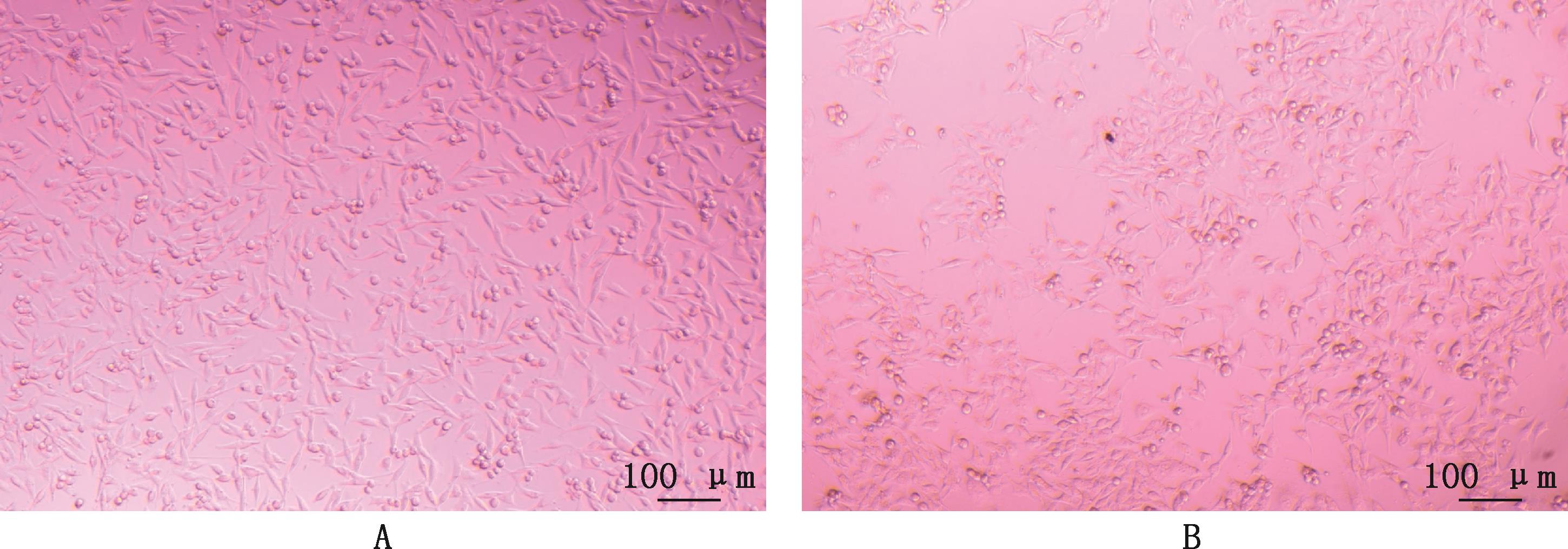
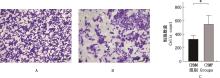
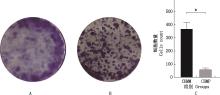
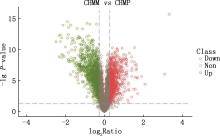
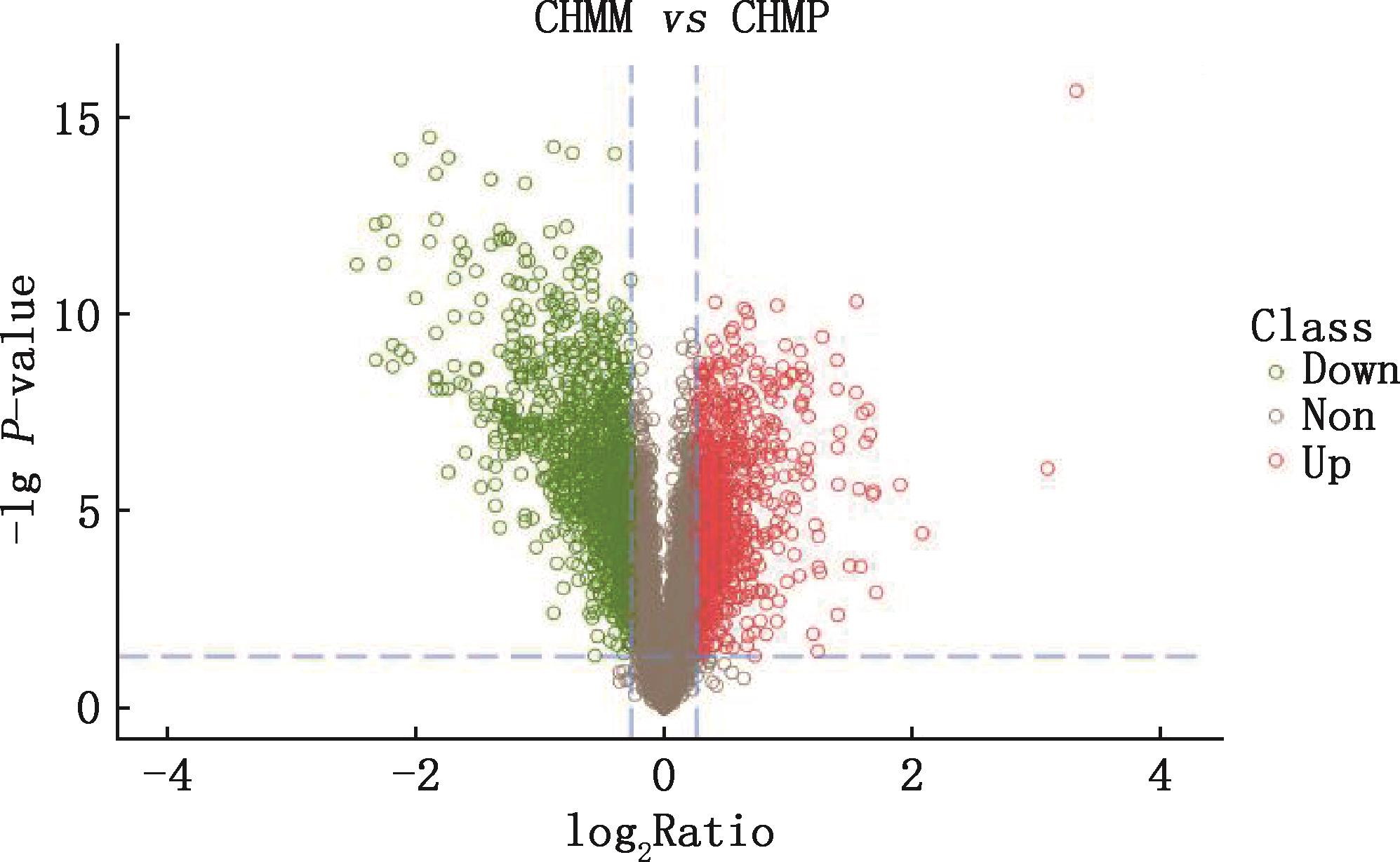
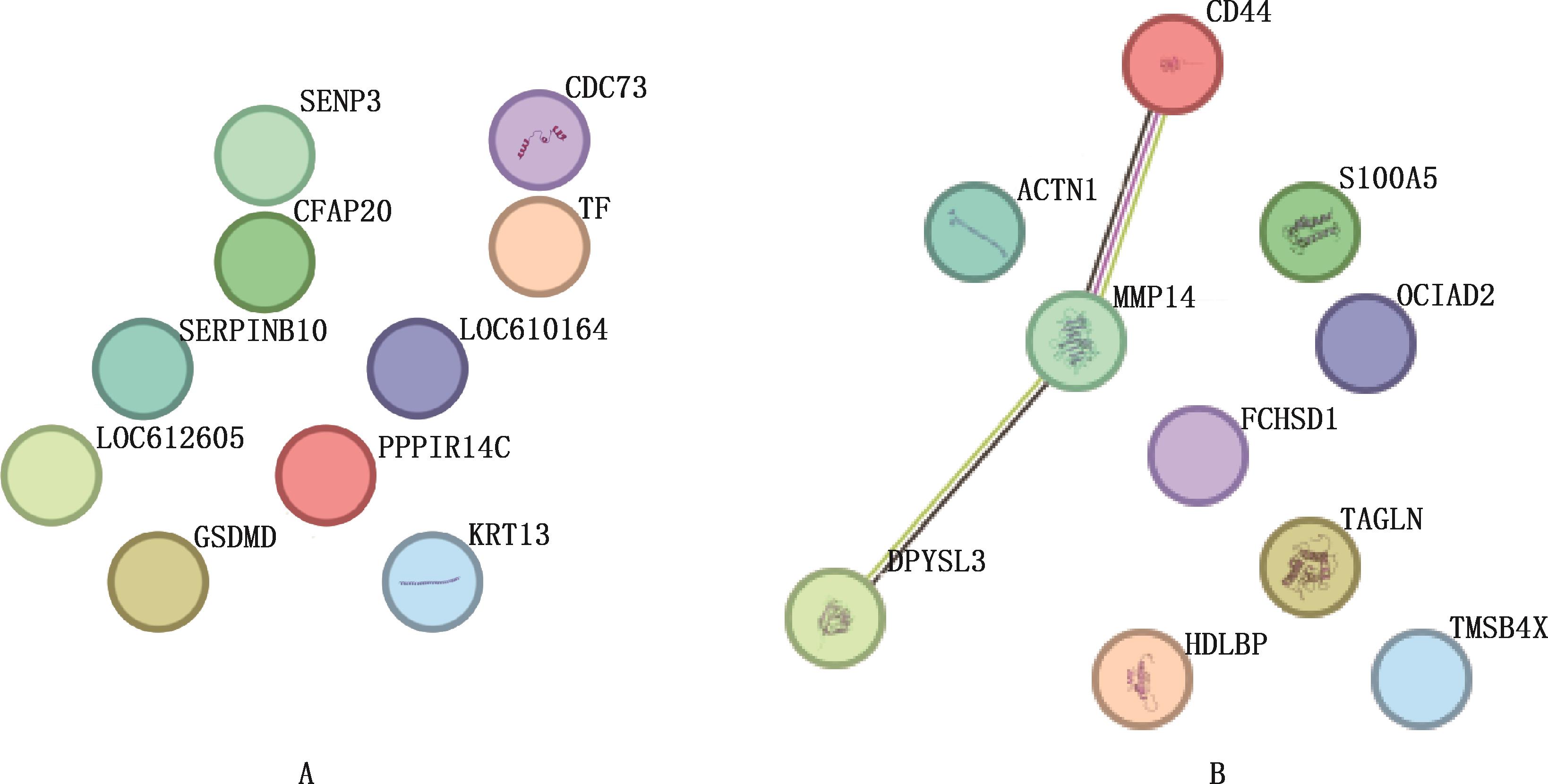
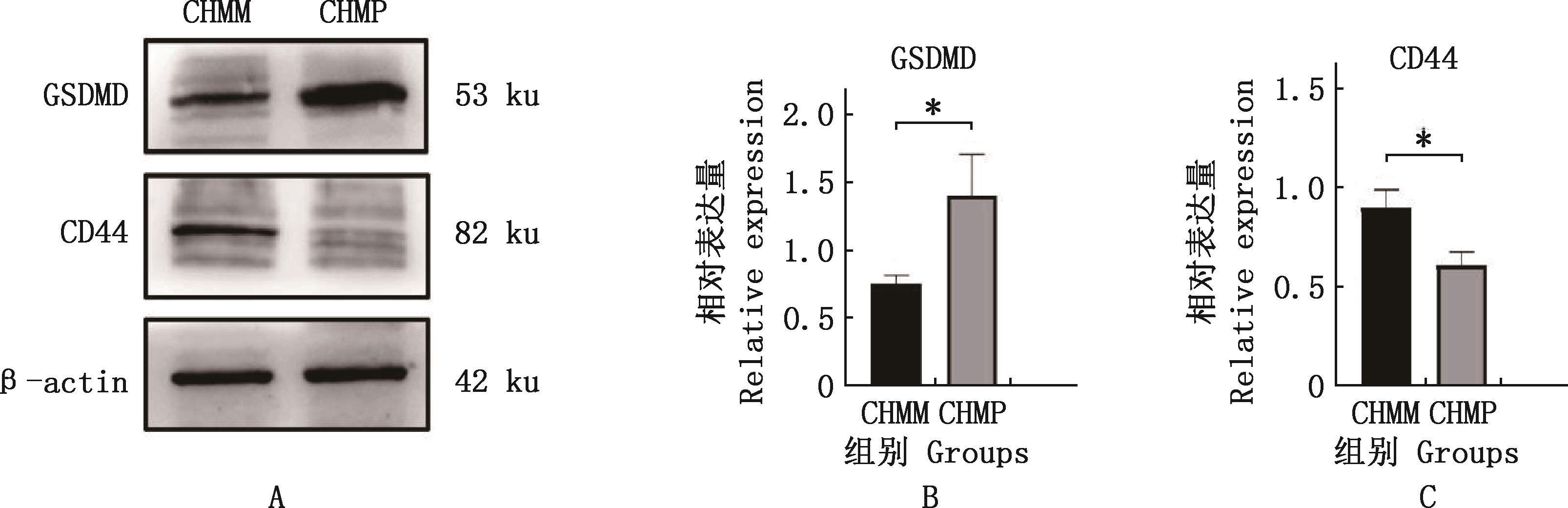
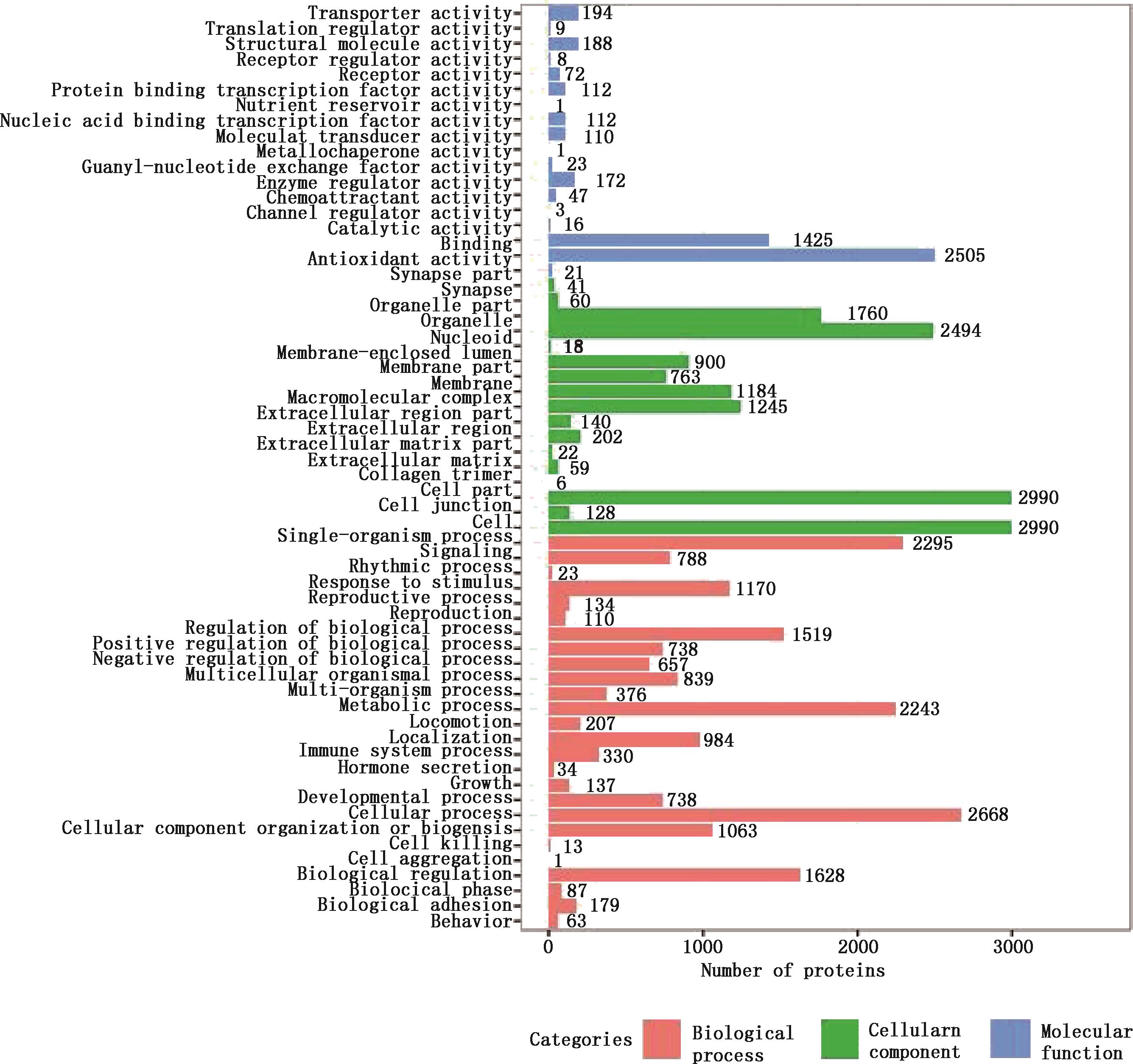
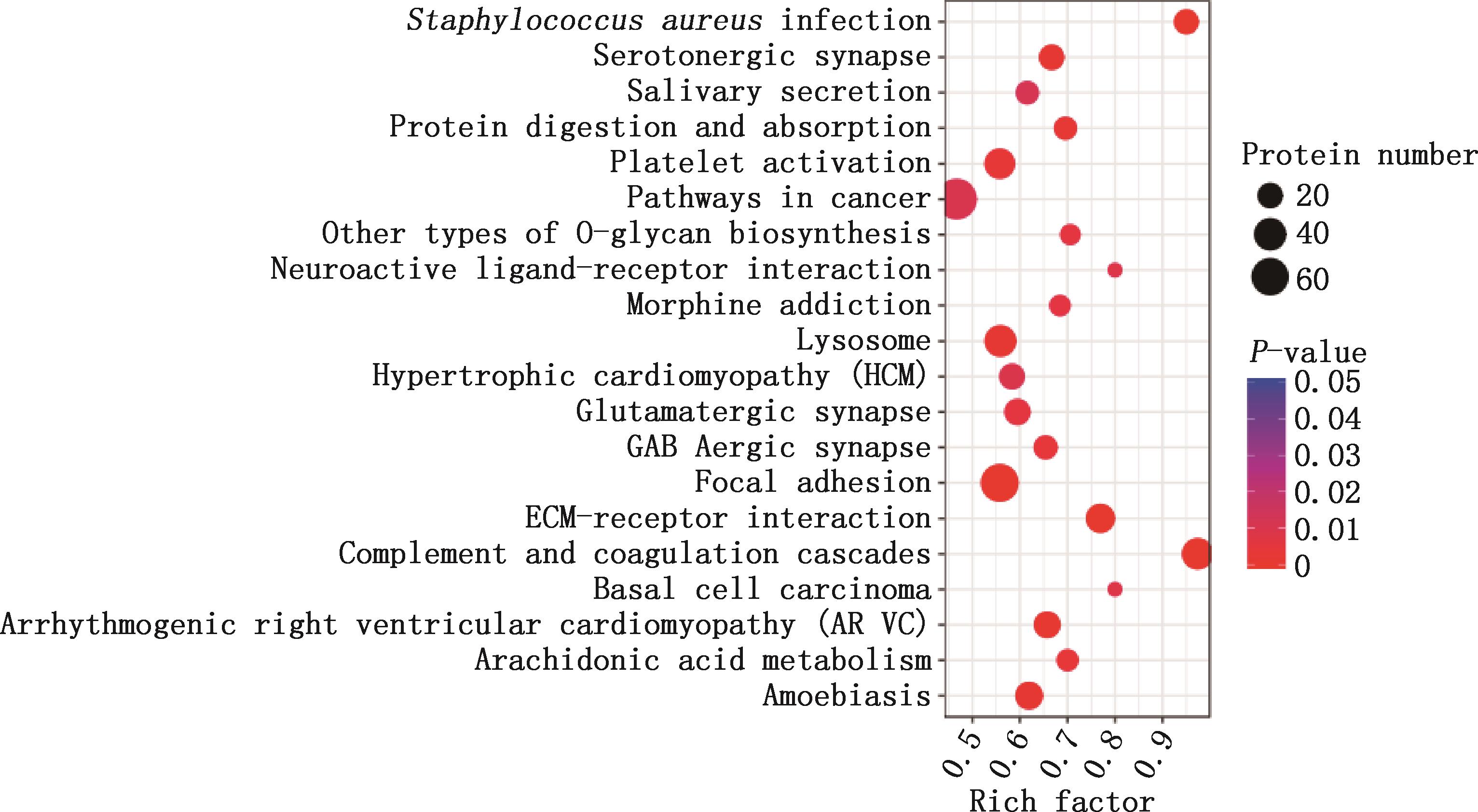
目的 筛选犬乳腺肿瘤细胞CHMM和CHMP的差异表达蛋白,为寻找犬乳腺肿瘤诊断治疗有效标志物提供科学依据。 方法 以犬乳腺肿瘤胸腔转移细胞CHMM和原发细胞CHMP为研究对象,通过显微观察、克隆试验和Transwell试验比较2种细胞形态、克隆能力和迁移能力。通过高效液相色谱-质谱分析技术筛选出2种细胞中差异表达蛋白,并对差异表达蛋白进行GO功能和KEGG通路富集分析。采用STRING数据库对差异表达蛋白进行蛋白互作分析。通过Western blotting试验验证蛋白质组学结果。 结果 CHMP细胞呈现长梭形,单细胞生长,CHMM细胞成簇生长,细胞相对较小。CHMP细胞有更强的迁移能力,CHMM细胞有更强的的克隆能力。测序共筛选出2 049种差异表达蛋白(差异倍数>1.2且P<0.05),其中1 161种下调蛋白,888种上调蛋白。GO功能富集分析结果显示,2种细胞差异表达蛋白参与的生物过程主要包括细胞过程、单向组织过程、代谢过程、生物调节、刺激应答等;细胞组分包括细胞、细胞部分、细胞器,细胞器部分等;分子功能主要有催化活性、结合、转运活性等。KEGG通路富集分析显示,2种细胞差异表达蛋白主要参与代谢途径信号通路等。差异表达蛋白互作分析显示,CD44、MMP14、DPYSL3蛋白有相互作用关系。Western blotting显示,与CHMM细胞相比,CHMP细胞中GSDMD表达量显著上升(P<0.05),CD44表达量显著下降(P<0.05),与蛋白质组学结果一致。 结论 经蛋白质组学筛选出犬乳腺肿瘤细胞CHMM和CHMP中的GSDMD等1 161种下调蛋白和CD44等888种上调蛋白,涉及代谢途径等多个生物过程,本研究结果可为犬乳腺肿瘤的诊断和治疗提供科学依据。

关键词: 犬乳腺肿瘤细胞; 蛋白质组学; 差异表达蛋白; 代谢途径

Abstract:

Objective This study aimed to screen differentially expressed proteins between canine mammary tumor cells CHMM and CHMP, so as to provide scientific basis for the search of effective biomarkers for the diagnosis and treatment of canine mammary tumors. Method Using canine mammary tumor thoracic metastatic cells CHMM and primary cells CHMP as research objects, the morphologies, cloning ability, and migration ability of the two cell lines were compared through microscopic observation, cloning experiment, and Transwell experiment. Then, differentially expressed proteins in cells were screened using high-performance liquid chromatography-mass spectrometry analysis technology. GO function and KEGG pathway enrichment analysis on differentially expressed proteins was performed. Protein-protein interaction analysis was performed on differentially expressed proteins using STRING database. The proteomics results were validated through Western blotting experiment. Result CHMP cells exhibited a long spindle shape with single-cell growth, while CHMM cells grew in clusters with relatively small cells. CHMP cells had stronger migration ability, while CHMM cells had stronger cloning ability. A total of 2 049 proteins with differential expression were screened by sequencing (FoldChange>1.2 and P<0.05), including 1 161 down regulated proteins and 888 upregulated proteins. GO functional enrichment analysis results showed that the differentially expressed proteins in cells involvement in biological processes mainly included cellular process, single-organism process, metabolic process,regulation of biological process, response to stimulus, etc. The cellular components included cell, cell part, organelle, organelle part, etc. Molecular functions mainly included catalytic activity, binding, and transporter activity. KEGG pathway enrichment analysis showed that the differentially expressed proteins in cells mainly participated in metabolic pathway signaling pathways. Differentially expressed proteins interaction analysis showed that CD44, MMP14 and DPYSL3 proteins had an interaction relationship. Western blotting showed that compared with CHMM cells, the expression level of GSDMD in CHMP cells significantly increased and the expression level of CD44 significantly decreased (P<0.05), which was consistent with proteomic results,confirming the accuracy of sequencing. Conclusion Through proteomics screening, 1 161 downregulated proteins such as GSDMD and 888 upregulated proteins such as CD44 were identified in canine mammary tumor cells CHMM and CHMP, involving multiple biological processes such as metabolic pathways. The results of this study could provide scientific basis for the diagnosis and treatment of canine mammary tumors.

Key words: canine mammary gland tumor cells; proteomics; differentially expressed protein; metabolic pathways

中图分类号: