
中国畜牧兽医 ›› 2026, Vol. 53 ›› Issue (2): 573-586.doi: 10.16431/j.cnki.1671-7236.2026.02.006
孔令娇1( ), 万宝云2, 赵珊珊1, 顾招兵1()
收稿日期:2025-05-19
出版日期:2026-02-20
发布日期:2026-01-28
通讯作者:
顾招兵
E-mail:kolingjiao0317@icloud.com;zhaobinggu@163.com
作者简介:孔令娇,E-mail: kolingjiao0317@icloud.com
基金资助:
KONG Lingjiao1(), WAN Baoyun2, ZHAO Shanshan1, GU Zhaobing1()
Received:2025-05-19
Online:2026-02-20
Published:2026-01-28
Contact:
GU Zhaobing
E-mail:kolingjiao0317@icloud.com;zhaobinggu@163.com
摘要:
热应激(heat stress,HS)能诱发动物机体发生复杂的病理反应,严重威胁动物健康,甚至导致死亡,造成重大经济损失。血管内皮细胞(vascular endothelial cells,VECs)作为热应激过程中的关键靶点,其损伤机制可分为直接损伤与间接损伤。直接损伤主要包括破坏细胞膜与细胞骨架结构、损伤DNA及诱导凋亡相关基因表达,从而导致VECs结构与功能异常并引发过度凋亡。间接损伤则通过诱发全身性炎症反应、氧化应激及血管张力失调等病理过程介导细胞损伤。而受损的VECs还可释放多种细胞因子,进一步加剧热应激对机体造成的负面影响。中药(traditional Chinese medicine,TCM)凭借来源丰富、成分多样、功能靶向性强和应用安全等多种优势,已成为抗热应激兽药的研究热点。中药活性成分萜类(如芍药苷、人参皂苷Rg1等)、酚类(如阿魏酸、白藜芦醇等)、黄酮类(如槲皮素、葛根素等)等单体成分,以及参附注射液、银杏叶提取物等复方提取物,可通过多通路协同发挥作用。其机制包括激活Kelch样ECH关联蛋白1/核因子E2相关因子2/血红素加氧酶-1(kelch-like ECH-associated protein 1/heme oxygenase-1/nuclear factor erythroid 2-related factor 2,Keap1/Nrf2/HO-1)通路,上调抗氧化酶活性,从而减轻氧化应激;抑制磷脂酰肌醇3-激酶/蛋白激酶B(phosphatidylinositol 3-kinase/protein kinase B,PI3K/Akt)、Toll样受体2/核因子-κB(Toll-like receptor 2/nuclear factor kappa-B, TLR2/NF-κB)、TLR4/NF-κB等通路,减少炎症因子与黏附因子的释放;调节B细胞淋巴瘤-2/Bcl-2关联X蛋白(B-cell lymphoma-2/Bcl-2-associated X protein,Bcl-2/Bax)比值、抑制半胱氨酸天冬氨酸特异性蛋白酶(Caspase)家族活化及保护线粒体功能以抑制凋亡;并通过促进热休克蛋白(heat shock proteins,HSPs)的表达,增强细胞耐热性,从而缓解热损伤。笔者对热应激导致VECs损伤的几种主要机制进行综述,系统总结了中药单体成分及中药提取物抗VECs热应激损伤研究现状,以期为未来中药活性成分抗VECs热应激损伤的深入研究及其在畜禽养殖中的应用提供理论参考。
中图分类号:
孔令娇, 万宝云, 赵珊珊, 顾招兵. 中药活性成分缓解血管内皮细胞热应激损伤的研究进展[J]. 中国畜牧兽医, 2026, 53(2): 573-586.
KONG Lingjiao, WAN Baoyun, ZHAO Shanshan, GU Zhaobing. Research Progress of Active Ingredients of Traditional Chinese Medicine in Alleviating Vascular Endothelial Cells Injury Induced by Heat Stress[J]. China Animal Husbandry & Veterinary Medicine, 2026, 53(2): 573-586.
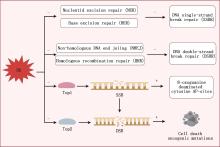
图1
热应激引起DNA损伤的机制(采用Figdraw绘制)"

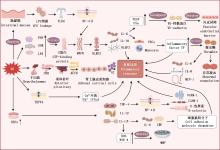
图2
热应激引起炎症反应的机制(采用Figdraw绘制)"

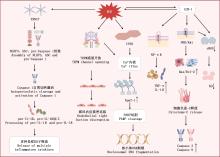
图3
ROS引发内皮细胞损伤的机制(采用Figdraw绘制)"

| [1] | LARA L J, ROSTAGNO M H. Impact of heat stress on poultry production[J]. Animals, 2013, 3(2): 356-369. |
| [2] | SEJIAN V, BHATTA R, GAUGHAN J B, et al. Review: Adaptation of animals to heat stress[J]. Animal, 2018, 12(S2): s431-s444. |
| [3] | AKIL A, GUTIÉRRZE-GARCÍA A K, GUENTER R, et al. Notch signaling in vascular endothelial cells, angiogenesis, and tumor progression: An update and prospective[J]. Frontiers in Cell and Developmental Biology, 2021, 9: 642352. |
| [4] | TONG H, WAN P, ZHANG X, et al. Vascular endothelial cell injury partly induced by mesenteric lymph in heat stroke[J]. Inflammation, 2014, 37(1): 27-34. |
| [5] | 国梦阳,王纯洁,敖日格乐,等.热应激对肉牛的影响及调控措施研究进展[J]. 饲料研究,2023,46(18):174-178. |
| GUO M Y, WANG C J, AORI G L, et al.Research progress on effect of heat stress on beef cattle and its nutritional regulation measures[J]. Feed Research, 2023, 46(18): 174-178.(in Chinese) | |
| [6] | VORBE J, MASSEY F, ROCHER C, et al.Inositol-requiring enzyme 1 pathway and autophagy drive sequential response of endothelial cells to febrile range hyperthermia[J]. PLoS One, 2025, 20(5): e0315119. |
| [7] | LUÍS C, INÊS L, RICARDO R, et al. Impact of heat stress on bovine sperm quality and competence[J]. Animals, 2022, 12(8): 975. |
| [8] | RICHTER K, HASLBECK M, BUCHNER J. The heat shock response: Life on the verge of death[J]. Molecular Cell, 2010, 40(2): 253-266. |
| [9] | DUBOSE D A, HINKLE J R, MOREHOUSE D H, et al. Model for environmental heat damage of the blood vessel barrier[J]. Wilderness & Environmental Medicine, 1998, 9(3): 130-136. |
| [10] | KANTIDZE O L, VELICHKO A K, LUZHIN A V, et al. Heat stress-induced DNA damage[J]. Acta Naturae, 2016, 8(2): 75-78. |
| [11] | LIU E, ZHAO X, LI C, et al. Effects of acute heat stress on liver damage, apoptosis and inflammation of pikeperch (Sander lucioperca)[J]. Journal of Thermal Biology, 2022, 106: 103251. |
| [12] | CHEI S, SONG J H, OH H J, et al.Gintonin-enriched fraction suppresses heat stress-induced inflammation through LPA receptor[J]. Molecules, 2020, 25(5): 1019. |
| [13] | WANG Z Q, ZHOU L, AN D, et al.TRPV4-induced inflammatory response is involved in neuronal death in pilocarpine model of temporal lobe epilepsy in mice[J]. Cell Death and Disease, 2019, 10(6): 386. |
| [14] | BAI B, YANG Y, WANG Q, et al.NLRP3 inflammasome in endothelial dysfunction[J]. Cell Death & Disease, 2020, 11(9): 776. |
| [15] | POBER J S, SESSA W C. Evolving functions of endothelial cells in inflammation[J]. Nature Reviews.Immunology, 2007, 7(10): 803-815. |
| [16] | SONG Y, TIAN X, WANG X, et al. Vascular protection of salicin on IL-1β-induced endothelial inflammatory response and damages in retinal endothelial cells[J]. Artificial Cells, Nanomedicine, and Biotechnology, 2019, 47(1): 1995-2002. |
| [17] | KANG S, KISHIMOTO T. Interplay between interleukin-6 signaling and the vascular endothelium in cytokine storms[J]. Experimental & Molecular Medicine, 2021, 53(7): 1116-1123. |
| [18] | WANG S K, ZHANG X T, ZHANG Y Q, et al.The pathogenesis and therapeutic strategies of heat stroke-induced endothelial injury[J]. Frontiers in Cell and Developmental Biology, 2025, 13: 1569346. |
| [19] | CHEN T L, ZHANG X D, DZHU G L, et al. Quercetin inhibits TNF-α induced HUVECs apoptosis and inflammation via downregulating NF-κB and AP-1 signaling pathway in vitro [J]. Medicine, 2020, 99(38): e22241. |
| [20] | SAHAR G M, IMRAN K, AHMAD Z, et al. Influence of heat stress on intestinal epithelial barrier function, tight junction protein, and immune and reproductive physiology[J]. BioMed Research International, 2022, 2022: 8547379. |
| [21] | JANA S, IVAN R, DANIELA K, et al. Influence of heat stress on intestinal integrity and the caecal microbiota during Enterococcus cecorum infection in broilers[J]. Veterinary Research, 2022, 53(1): 110. |
| [22] | STIERACHNEIDER A, NEUDITSCHKO B, COLLESELLI K, et al. Comparative and temporal characterization of LPS and blue-light-induced TLR4 signal transduction and gene expression in optogenetically manipulated endothelial cells[J]. Cells, 2023, 12(5): 697. |
| [23] | GU Z T, LIU J Z, FU J H, et al.The mechanism by which FGF23/FGFR-1 activates NOX2-ROS in vascular endothelial cells in the context of severe heat stroke-induced acute lung injury[J]. Burns & Trauma, 2025, 13: tkae050. |
| [24] | WU F, DONG X, ZHANG H, et al. Role of MnSOD in propofol protection of human umbilical vein endothelial cells injured by heat stress[J]. Journal of Anesthesia, 2016, 30(3): 410-419. |
| [25] | SUN X L, JIAO X F, MA Y R, et al. Trimethylamine N-oxide induces inflammation and endothelial dysfunction in human umbilical vein endothelial cells via activating ROS-TXNIP-NLRP3 inflammasome[J]. Biochemical and Biophysical Research Communications, 2016, 481(1-2): 63-70. |
| [26] | DING R, YIN Y L, JIANG L H. Reactive oxygen species-induced TRPM2-mediated Ca2+ signalling in endothelial cells[J]. Antioxidants, 2021, 10(5): 718. |
| [27] | LI L, TAN H P, GU Z T, et al. Heat stress induces apoptosis through a Ca2+-mediated mitochondrial apoptotic pathway in human umbilical vein endothelial cells[J]. PLoS One, 2014, 9(12): e111083. |
| [28] | LUBRANO V, BALZAN S. LOX-1 and ROS, inseparable factors in the process of endothelial damage[J]. Free Radical Research, 2014, 48(8): 841-848. |
| [29] | CHARKOUDIAN N. Skin blood flow in adult human thermoregulation: How it works, when it does not, and why[J]. Mayo Clinic Proceedings, 2003, 78(5): 603-612. |
| [30] | SCHEITLIN C G, JULIAN J A, SHANMUGHAPRIYA S, et al. Endothelial mitochondria regulate the intracellular Ca2+ response to fluid shear stress[J]. American Journal of Physiology.Cell Physiology, 2016, 310(6): C479-C490. |
| [31] | 罗文平.血管内皮细胞的损伤与保护[J]. 医学综述,2000, 7:297-299. |
| LUO W P.The damage and protection of vascular endothelial cells[J]. Medical Recapitulate, 2000, 7: 297-299.(in Chinese) | |
| [32] | CHANDURKAR M K, MITTAL N, ROYER-WEEDEN S P, et al. Transient low shear-stress preconditioning influences long-term endothelial traction and alignment under high shear flow[J]. American Journal of Physiology. Heart and Circulatory Physiology, 2024, 326(5): H1180-H1192. |
| [33] | 周国峰,杨郁,徐锐,等.蘑菇来源萜类化合物研究进展[J]. 国际药学研究杂志,2020,47(11):928-945. |
| ZHOU G F, YANG Y, XU R, et al.Research progress in terpenoids derived from mushrooms[J]. Journal of International Pharmaceutical Research, 2020, 47(11): 928-945. (in Chinese) | |
| [34] | LI L, WANG H, ZHAO S P, et al. Paeoniflorin ameliorates lipopolysaccharide-induced acute liver injury by inhibiting oxidative stress and inflammation via SIRT1/FOXO1a/SOD2 signaling in rats[J]. Phytotherapy Research, 2022, 36(6): 2558-2571. |
| [35] | FRANCI L, VALLINI G, BERTOLINO M F, et al.MAPK15 controls cellular responses to oxidative stress by regulating NRF2 activity and expression of its downstream target genes[J]. Redox Biology, 2024, 72: 103131. |
| [36] | 黄寅虎,汪子铃,杜坤航,等.人参皂苷Rg1减轻热应激致小鼠睾丸损伤的机制研究[J]. 陆军军医大学学报,2024,46(10):1123-1131. |
| HUANG Y H, WANG Z L, DU K H, et al.Mechanism of ginsenoside Rg1 alleviating testicular injury induced by heat stress in mice[J]. Journal of Army Medical University, 2024, 46(10): 1123-1131.(in Chinese) | |
| [37] | HUANG G D, ZHONG X F, DENG Z Y, et al. Proteomic analysis of ginsenoside Re attenuates hydrogen peroxide-induced oxidative stress in human umbilical vein endothelial cells[J]. Food & Function, 2016, 7(5): 2451-2461. |
| [38] | YANG Z N, XIONG M Q, TANG X M, et al. Ginsenoside Rb1 mitigates atherosclerosis in part through modulating FTO-mediated m6A RNA modification in NETs-induced endothelial activation[J]. Frontiers in Pharmacology, 2025, 16: 1631076. |
| [39] | 沈晓飞,王祎.桃叶珊瑚苷对脂多糖诱导的血管内皮细胞炎症损伤的保护作用[J]. 华西药学杂志,2019,34(5):458-462. |
| SHEN X F, WANG Y.Protective effect of aucubin against lipopolysaccharide-induced human umbilical vein endothelial cells injury[J]. West China Journal of Pharmaceutical Sciences, 2019, 34(5): 458-462.(in Chinese) | |
| [40] | 魏宏儒.阿魏酸对脑微血管内皮细胞氧化损伤的保护作用[D]. 广州:广州中医药大学,2017. |
| WEI H R.Ferulic acid’s protective effection on brain microvascular endothelial cells caused by oxygen-glucose deprivation[D]. Guangzhou: Guangzhou University of Chinese Medicine, 2017. (in Chinese) | |
| [41] | 谷彬,刘思妤,唐伟军,等.阿魏酸抑制高糖诱导人脐静脉内皮细胞凋亡的机制研究[J]. 中国药学杂志,2018,53(1):25-29. |
| GU B, LIU S Y, TANG W J, et al.Effect and mechanism of ferulic acid against apoptosis of HUVECs cells induced by high-glucose[J]. Chinese Pharmaceutical Journal, 2018, 53(1): 25-29.(in Chinese) | |
| [42] | WAHL D, BERNIER M, SIMPSON S J, et al. Future directions of resveratrol research[J]. Nutrition and Healthy Aging, 2018, 4(4): 287-290. |
| [43] | DU L W, ZHU X Q, JIANG Z L, et al. Resveratrol inhibits ferroptosis in the lung tissues of heat stroke-induced rats via the Nrf2 pathway[J]. BMC Pharmacology & Toxicology, 2024, 25(1): 88. |
| [44] | JOSEPH S, NATHALIE R, FRANZISKA W, et al. Resveratrol distinctively modulates the inflammatory profiles of immune and endothelial cells[J]. BMC Complementary and Alternative Medicine, 2017, 17(1): 309. |
| [45] | DU R C, GUO Y, ZHONG W T, et al. Gastrodin alleviates myocardial infarction by inhibiting inflammation, and apoptosis and promoting endothelial cell proliferation[J]. Biochemistry and Biophysics Reports, 2025, 42: 102014. |
| [46] | JIA L Q, YANG G L, REN L, et al. Tanshinone ⅡA reduces apoptosis induced by hydrogen peroxide in the human endothelium-derived EA.hy926 cells[J]. Journal of Ethnopharmacology, 2012, 143(1): 100-108. |
| [47] | TANG C, XUE H L, BAI C L, et al. Regulation of adhesion molecules expression in TNF-α-stimulated brain microvascular endothelial cells by tanshinone ⅡA: Involvement of NF-κB and ROS generation[J]. Phytotherapy Research, 2011, 25(3): 376-380. |
| [48] | MARION-LETELLIER R, SAVOYE G, GHOSH S. Fatty acids, eicosanoids and PPAR gamma[J]. European Journal of Pharmacology, 2016, 785: 44-49. |
| [49] | SHOU X L, ZHOU R F, ZHU L Y, et al. Emodin, a Chinese herbal medicine, inhibits reoxygenation-induced injury in cultured human aortic endothelial cells by regulating the peroxisome proliferator-activated receptor-γ (PPAR-γ) and endothelial nitric oxide synthase (eNOS) signaling pathway[J]. Medical Science Monitor, 2018, 24: 643-651. |
| [50] | 王延海,张雷明,冯艳艳.大黄素改善高糖条件中人肾小球血管内皮细胞炎症、氧化应激及凋亡作用的研究[J]. 中国临床药理学杂志,2023,39(10):1422-1426. |
| WANG Y H, ZHANG L M, FENG Y Y.Effect of emodin on improving the inflammation, oxidative stress and apoptosis of human glomerular endothelial cells in high glucose conditions[J]. The Chinese Journal of Clinical Pharmacology, 2023, 39(10): 1422-1426.(in Chinese) | |
| [51] | ZHONG X F, HUANG G D, LUO T, et al. Protective effect of rhein against oxidative stress-related endothelial cell injury[J]. Molecular Medicine Reports, 2012, 5(5): 1261-1266. |
| [52] | LUISA M, ANGELA P, PAOLO S, et al. Fermentation of vaccinium floribundum berries with Lactiplantibacillus plantarum reduces oxidative stress in endothelial cells and modulates macrophages function[J]. Nutrients, 2022, 14(8): 1560. |
| [53] | LU X L, ZHAO C H, YAO X L, et al. Quercetin attenuates high fructose feeding-induced atherosclerosis by suppressing inflammation and apoptosis via ROS-regulated PI3K/AKT signaling pathway[J]. Biomedicine & Pharmacotherapy, 2017, 85: 658-671. |
| [54] | BHASKER S, SUDHAKARAN P R, HELEN A. Quercetin attenuates atherosclerotic inflammation and adhesion molecule expression by modulating TLR-NF-κB signaling pathway[J]. Cellular Immunology, 2016, 310: 131-140. |
| [55] | SONG J J, LI S, ZHANG B Y, et al. Quercetin protects human coronary artery endothelial cells against hypoxia/reoxygenation-induced mitochondrial apoptosis via the Nrf2/HO-1 axis[J]. Biomedical Research (Tokyo, Japan), 2024, 45(5): 197-207. |
| [56] | 王占美,赵园,陈健伟,等.葛根素对热应激诱导的LLC-PK1细胞HSP70表达的影响[J]. 华北农学报,2014,29(3):32-35. |
| WANG Z M, ZHAO Y, CHEN J W, et al.Effect of puerarin on expression of inducible HSP70 in LLC-PK1 cells[J]. Acta Agriculturae Boreali-Sinica, 2014, 29(3): 32-35.(in Chinese) | |
| [57] | 李建凤,赵佳桢,沈义媛,等.竹叶黄酮对热应激诱导奶牛乳腺上皮细胞氧化损伤的保护作用[J]. 动物营养学报,2022,34(1):626-639. |
| LI J F, ZHAO J Z, SHEN Y Y, et al. Protective effects of bamboo leaf flavonoids on oxidative damage of bovine mammary epithelial cells induced by heat stress[J]. Chinese Journal of Animal Nutrition, 2022, 34(1): 626-639.(in Chinese) | |
| [58] | WANG M S, XIA Y. Baicalein modulates endoplasmic reticulum stress by activating SIRT3 to attenuate the dysfunction of retinal microvascular endothelial cells under high glucose conditions[J]. Experimental Eye Research, 2025, 254: 110250. |
| [59] | CHENG F, WANG Y, LI J, et al. Berberine improves endothelial function by reducing endothelial microparticles-mediated oxidative stress in humans[J]. International Journalof Cardiology, 2013, 167(3): 936-942. |
| [60] | YANG H F, ZHU L L, GU Y, et al. Berberine inhibits low shear stress-induced glycocalyx degradation via modulating AMPK and p47 phox /Hyal2 signal pathway[J]. European Journal of Pharmacology, 2019, 856: 172413. |
| [61] | LIU S J, YIN C X, DING M C, et al. Berberine inhibits tumor necrosis factor-α-induced expression of inflammatory molecules and activation of nuclear factor-κB via the activation of AMPK in vascular endothelial cells[J]. Molecular Medicine Reports, 2015, 12(4): 5580-5586. |
| [62] | WU Y H, WEI C Y, HONG W C, et al. Berberine suppresses leukocyte adherence by downregulating CX3CL1 expression and shedding and ADAM10 in lipopolysaccharide-stimulated vascular endothelial cells[J]. International Journal of Molecular Sciences, 2022, 23(9): 4801. |
| [63] | MA Y Z, WANG X T, LI X, et al. COP-22 alleviates D-galactose-induced brain aging by attenuating oxidative stress, inflammation, and apoptosis in mice[J]. Molecular Neurobiology, 2024, 61(9): 6708-6720. |
| [64] | HONG F F, GUO F X, ZHOU Y, et al. Shenfu injection protects human ECV304 cells from hydrogen peroxide via its anti-apoptosis way[J]. Journal of Ethnopharmacology, 2015, 163: 203-209. |
| [65] | ZHU J Q, SONG W S, XU S X, et al. Shenfu injection promotes vasodilation by enhancing eNOS activity through the PI3K/Akt signaling pathway in vitro [J]. Frontiers in Pharmacology, 2020, 26(11): 121. |
| [66] | 高春雁, 银世杰, 刘豫, 等.参附注射液对离体空跳猪心血液保护的研究[J]. 现代中西医结合杂志,32(23):3213-3218. |
| GAO C Y, YIN S J, LIU Y, et al. Effect of Shenfu injection in the blood protection of isolated empty-beating pig hearts[J]. Modern Journal of Integrated Traditional Chinese and Western Medicine, 2023, 32(23): 3213-3218.(in Chinese) | |
| [67] | 陈洪博,段滇宁,王华.银杏叶提取物对热应激致鸡心肌细胞氧化损伤的保护作用研究[J]. 中国畜牧兽医,2018,45(1):100-105. |
| CHEN H B, DUAN D Y, WANG H. Protective effects of Ginkgo biloba extract on oxidative damage induced by heat stress in cardiomyocytes of chicken[J]. China Animal Husbandry & Veterinary Medicine, 2018, 45(1): 100-105.(in Chinese) | |
| [68] | 张晓辉, 鲍恩东. 银杏叶提取物EGB761调节热休克蛋白的表达与分布缓解鸡心肌组织的热应激损伤[A]. 江苏省畜牧兽医学会首届“青年科技论坛”论文集[C]. 2019. |
| ZHANG X H, BAO E D. Ginkgo biloba extract EGB761 improved anti-heat-stress responses in chickens in vivo via regulation of heat-shock proteins expression and distribution[A]. Proceedings of the 1st “Youth Science and Technology Forum” of Jiangsu Association of Animal Husbandry and Veterinary Medicine[C]. 2019.(in Chinese) | |
| [69] | OU H C, LEE W J, LEE I T, et al. Ginkgo biloba extract attenuates oxLDL-induced oxidative functional damages in endothelial cells[J]. Journal of Applied Physiology (Bethesda, Md.: 1985), 2009, 106(5): 1674-1685. |
| [70] | WANG H, TIAN L, HAN Y, et al.Mechanism assay of honeysuckle for heat-clearing based on metabolites and metabolomics[J]. Metabolites, 2022, 12(2): 121. |
| [71] | MA F T, SHAN Q, JIN Y H, et al. Effect of Lonicera japonica extract on lactation performance, antioxidant status, and endocrine and immune function in heat-stressed mid-lactation dairy cows[J]. Journal of Dairy Science, 2020, 103(11): 10074-10082. |
| [72] | 高铎,马峰涛,单强,等.肝脏转录组分析揭示金银花提取物缓解奶牛热应激的分子机制[J]. 动物营养学报,2021,33(6):3309-3322. |
| GAO D, MA F T, SHAN Q, et al.Hepatic transcriptome analyses revealed molecular mechanism of Lonicera japonica extract in relieving heat stress of dairy cows[J]. Chinese Journal of Animal Nutrition, 2021, 33(6): 3309-3322.(in Chinese) | |
| [73] | CHEN S P, HU T H, ZHOU Q, et al. Luteoloside protects the vascular endothelium against iron overload injury via the ROS/ADMA/DDAH Ⅱ/eNOS/NO pathway[J]. Chinese Journal of Natural Medicines, 2022, 20(1): 22-32. |
| [74] | 张文飞.热应激条件下饲粮中添加酶解青蒿对母猪生产性能的影响及其机理研究[D]. 广州:华南农业大学, 2021. |
| ZHANG W F. Effect of dietary enzymatically treated Artemisia annua L.supplementation on the productive performance of multiparous sows under heat stress and its underlying mechanism[D]. Guangzhou: South China Agricultural University, 2021.(in Chinese) | |
| [75] | WAN X L, HUSSAIN A, ZHANG L L, et al. Dietary enzymatically treated Artemisia annua L. improves meat quality, antioxidant capacity and energy status of breast muscle in heat-stressed broilers[J]. Journal of the Science of Food and Agriculture, 2018, 98(10): 3715-3721. |
| [76] | 闫寒,李爱媛,赵一,等.青蒿总香豆素抗热应激作用及其机理的研究[J]. 中国实验方剂学杂志,2009,15(12):98-100. |
| YAN H, LI A Y, ZHAO Y, et al. Studies on anti-heat-stress activity and its mechanisms of total coumarins from Artemisia annua [J]. Chinese Journal of Experimental Traditional Medical Formulae, 2009, 15(12): 98-100.(in Chinese) | |
| [77] | 袁向科,江瑞.青蒿素对氧化低密度脂蛋白诱导的血管内皮细胞损伤的作用及机制[J]. 解放军医学杂志,2021,46(4):333-339. |
| YUAN X K, JIANG R.Effect and mechanism of artemisinin on alleviating vascular endothelial cell injury induced by oxidized low density lipoprotein[J]. Medical Journal of Chinese People’s Liberation Army, 2021, 46(4): 333-339.(in Chinese) |
| [1] | 姬真真, 程璞, 席磊, 刘统帅, 王永芬. 蓝桉精油对热应激肉鸡生长性能、血清生化指标、抗氧化能力及肠道健康的影响[J]. 中国畜牧兽医, 2026, 53(1): 136-150. |
| [2] | 张超萍, 赖美菲, 张舜语, 李子胥, 高宇阳, 吴英杰, 刘宁, 秦应和. 饲粮中添加虾青素对热应激条件下母兔繁殖性能、抗氧化能力及其仔兔生长的影响[J]. 中国畜牧兽医, 2026, 53(1): 224-232. |
| [3] | 张少帅, 柴浩靓, 武洪志, 侯冠彧, 张敏红. 热应激对鸡体热调节、生产性能和机体健康影响的研究进展[J]. 中国畜牧兽医, 2026, 53(1): 39-48. |
| [4] | 张朝晖, 孙志刚, 穆祥, 冯波, 梁宏伟, 刘晓晔, 张倩. 双黄连调控跨内皮淋巴细胞抗禽流感病毒的研究[J]. 中国畜牧兽医, 2025, 52(7): 3440-3448. |
| [5] | 安兆翔, 荀文娟, 周汉林, 施力光. 热应激对海南黑山羊精液抗氧化能力及精浆代谢组学特征的影响[J]. 中国畜牧兽医, 2025, 52(3): 1191-1201. |
| [6] | 钟明, 耿龙君, 崔莲花, 徐紫嫣, 严昌国, 冯健, 蔡洪范, 张旭. 姜黄素对热应激条件下延边黄牛育成牛生长性能、饲料养分表观消化率和血液指标的影响[J]. 中国畜牧兽医, 2025, 52(2): 655-667. |
| [7] | 吕彦卓, 周御, 芦烘德, 王煜轩, 董虹, 何至远. 中药抗猪流行性腹泻病毒研究进展[J]. 中国畜牧兽医, 2025, 52(10): 4977-4988. |
| [8] | 王常童, 杨连弟, 殷丽, 王乐, 张进, 左福元, 黄文明. 热应激对山羊粪便菌群结构及代谢产物的影响[J]. 中国畜牧兽医, 2024, 51(8): 3288-3300. |
| [9] | 郑洁怡, 杨舒黎, 赵开玲, 宫莉, 李川. 热应激对反刍动物瘤胃功能及潜在耐热标志物的影响[J]. 中国畜牧兽医, 2024, 51(3): 1041-1049. |
| [10] | 邓谭杰, 侯冠彧, 施力光, 方懿, 吴小妹, 荀文娟. 豆蔻明对慢性热应激儋州鸡脏器系数、血清生化指标、抗氧化能力及炎性因子的影响[J]. 中国畜牧兽医, 2024, 51(3): 1050-1059. |
| [11] | 王士勇, 苏东雪, 张靖, 陈丽红, 詹军, 陈尧, 文盛鸿, 杨月春. 复方中药提取物对公兔生殖生理的影响[J]. 中国畜牧兽医, 2024, 51(3): 1122-1131. |
| [12] | 孙鹏飞, 王晓涵, 胡云, 吴慧光, 赵静雯, 罗绪刚. 热应激对鸡生产性能、血清生化和肠道微生物影响研究进展[J]. 中国畜牧兽医, 2024, 51(2): 581-590. |
| [13] | 王晓芳, 王亚文, 李杰峰, 符乐, 张宁, 秦建华. 抗奶牛热应激中药组方筛选及应用研究[J]. 中国畜牧兽医, 2024, 51(11): 5064-5073. |
| [14] | 李宁, 蒋昀轩, 刘德凤, 闫国宁, 申明月, 张树宇, 黄博涵, 贾宝玉, 徐力, 魏凯. 两种动物胆汁酸对热应激小鼠肝脏和空肠保护效果的比较研究[J]. 中国畜牧兽医, 2023, 50(7): 2729-2739. |
| [15] | 雷铭凯, 班斌, 殷炜琦, 张俊梅, 石攀峰, 王丽, 周扬, 张春香, 李碧波. 包被叶酸和包被牛磺酸对热应激种公羊精液品质、血清和精浆抗氧化能力及激素水平的影响[J]. 中国畜牧兽医, 2023, 50(7): 2755-2765. |
| 阅读次数 | ||||||
|
全文 |
|
|||||
|
摘要 |
|
|||||
