
China Animal Husbandry & Veterinary Medicine ›› 2026, Vol. 53 ›› Issue (2): 564-572.doi: 10.16431/j.cnki.1671-7236.2026.02.005
• Review • Previous Articles Next Articles
LI Jiahui( ), LI Haonan, YANG Fan, XU Wenjing, CHEN Xiaoguang, ZHANG Ziqiang, LIU Yumei, LYU Qiongxia()
Received:2025-05-14
Online:2026-02-20
Published:2026-01-28
Contact:
LYU Qiongxia
E-mail:15236268651@163.com;lvqx20001@163.com
CLC Number:
LI Jiahui, LI Haonan, YANG Fan, XU Wenjing, CHEN Xiaoguang, ZHANG Ziqiang, LIU Yumei, LYU Qiongxia. Research Progress on the Role of Polyphenols in Alleviating Zearalenone-induced Hepatotoxicity in Animals[J]. China Animal Husbandry & Veterinary Medicine, 2026, 53(2): 564-572.
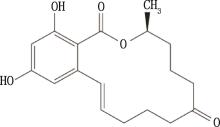
Fig.1
Molecular formula of ZEA"
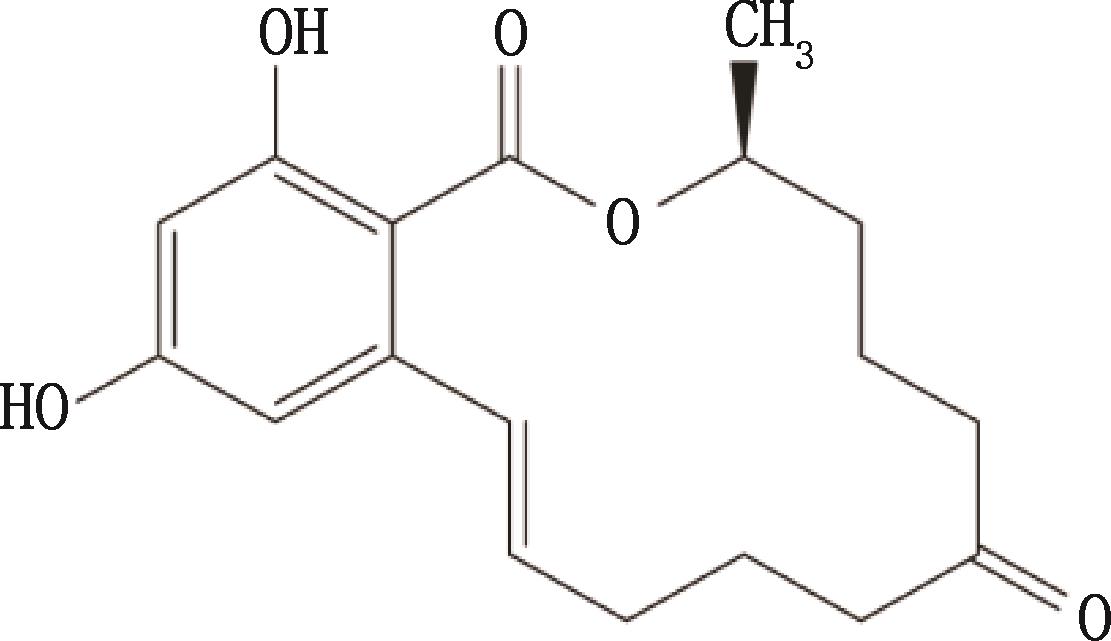
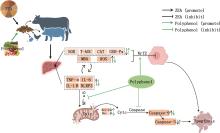
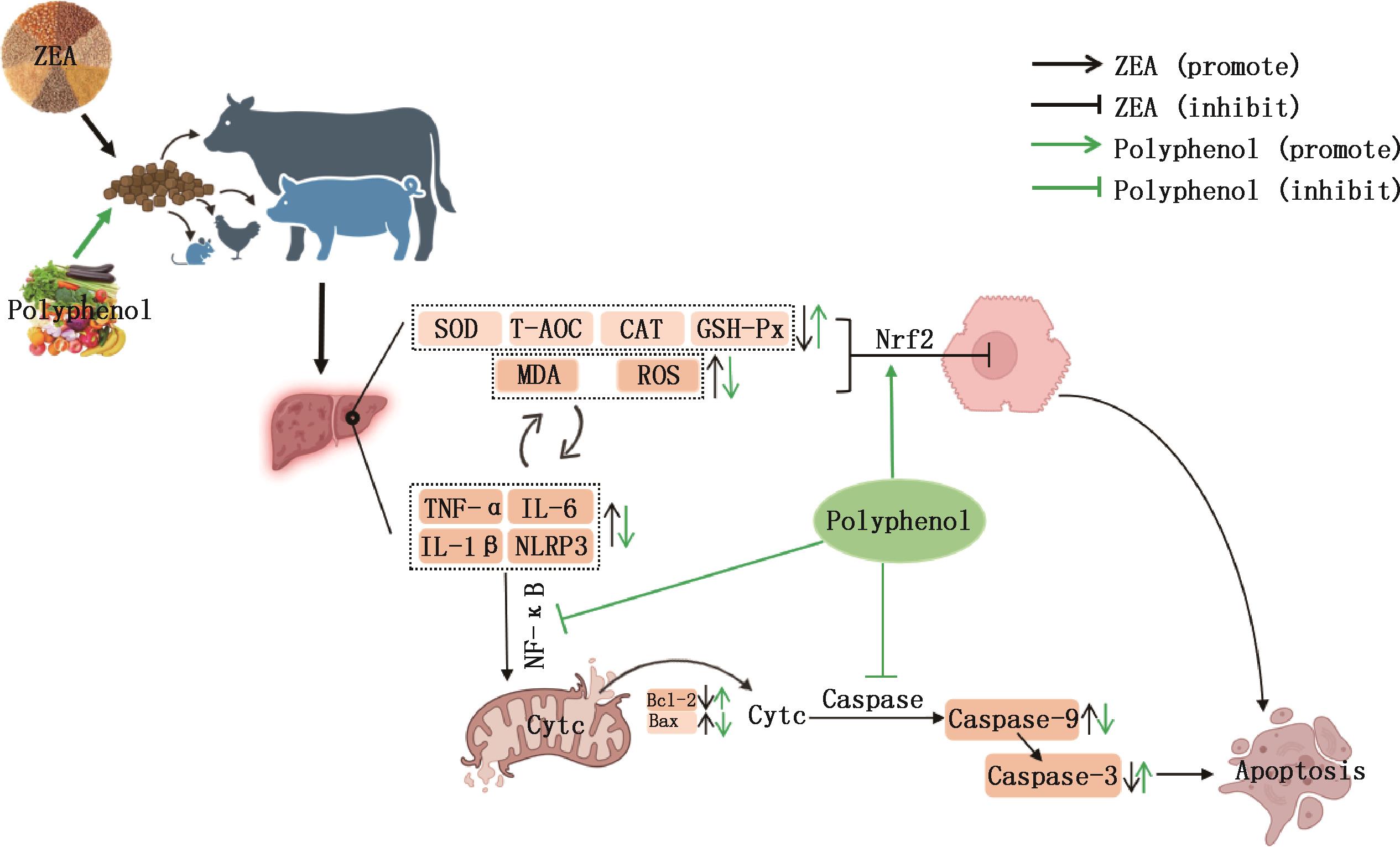
Fig.2
Mechanism diagram of polyphenols alleviating liver toxicity induced by ZEA in animals"
| [1] | JURASCHEK L M, KAPPENBERG A, AMELUNG W. Mycotoxins in soil and environment[J]. Science of the Total Environment, 2022, 814: 152425. |
| [2] | 刘建高,厉学武,彭 哲,等.2021年我国饲料原料中常见霉菌毒素污染情况调查[J].中国家禽,2023,45(10): 70-75. |
| LIU J G, LI X W, PENG Z, et al. Investigation of common mycotoxins contamination in feed ingredients in China in 2021[J]. China Poultry, 2023, 45(10): 70-75. (in Chinese) | |
| [3] | 雷元培,周建川,郑文革,等.2019—2020年中国饲料原料和饲料中霉菌毒素污染调查报告[J].饲料工业,2022,43(20): 59-64. |
| LEI Y P, ZHOU J C, ZHENG W G, et al. A survey report on the mycotoxin contamination of compound feed and its raw materialsof China in 2019-2020[J]. Feed Industry, 2022, 43(20): 59-64. (in Chinese) | |
| [4] | 中华人民共和国国家质量监督检验检疫总局, 中国国家标准化管理委员会. 饲料卫生标准 [S].2017. |
| GENERAL ADMINISTRATION OF QUALITY SUPERVISION, INSPECTION AND QUARANTINE OF THE PEOPLE’S REPUBLIC OF CHINA, NATIONAL STANDARDIZATION ADMINISTRATION OF THE PEOPLE’S REPUBLIC OF CHINA. Hygienic standard for feeds [S].2017. (in Chinese) | |
| [5] | CAI P, LIU S, TU Y, et al. Toxicity, biodegradation, and nutritional intervention mechanism of zearalenone[J]. Science of the Total Environment, 2024, 911: 168648. |
| [6] | WANG L, DENG Z, HUANG J, et al. Zearalenone-induced hepatointestinal toxicity in laying hens: Unveiling the role of gut microbiota and fecal metabolites[J]. Poultry Science, 2024, 103(11): 104221. |
| [7] | SUN L H, LEI M Y, ZHANG N Y, et al. Hepatotoxic effects of mycotoxin combinations in mice[J]. Food and Chemical Toxicology, 2014, 74: 289-293. |
| [8] | SHI B, SU Y, CHANG S, et al. Vitamin C protects piglet liver against zearalenone-induced oxidative stress by modulating expression of nuclear receptors PXR and CAR and their target genes[J]. Food & Function, 2017, 8(10): 3675-3687. |
| [9] | ABUZAHRA H M, RAJENDRAN P, ISMAIL M B. Zerumbone exhibit protective effect against zearalenone induced toxicity via ameliorating inflammation and oxidative stress induced apoptosis[J]. Antioxidants (Basel), 2021, 10(10): 1593. |
| [10] | 孟姣.玉米赤霉烯酮水解酶在毕赤酵母中的异源表达及应用[D].曲阜:曲阜师范大学, 2025. |
| MENG J.Heterologous expression and application of zearalenone hydrolase in Pichia pastoris [D].Qufu: Qufu Normal University, 2025 (in Chinese) | |
| [11] | ALFEI S, SCHITO A M, ZUCCARI G. Nanotechnological manipulation of nutraceuticals and phytochemicals for healthy purposes: Established advantages vs. still undefined risks[J]. Polymers (Basel), 2021, 13(14): 2262. |
| [12] | 赵盈,於天,郑志刚,等.多酚在植物中的分布及其生物活性研究进展[J].中草药,2023,54(17): 5825-5832. |
| ZHAO Y, YU T, ZHENG Z G, et al. Research progress on distribution and bioactivity of polyphenols in plants[J]. Chinese Traditional and Herbal Drugs, 2023, 54(17): 5825-5832. (in Chinese) | |
| [13] | NIU C, ZHANG J, OKOLO PI 3 RD. Liver cancer wars: Plant-derived polyphenols strike back[J]. Medical Oncology, 2024, 41(5): 116. |
| [14] | RATHEE P, SEHRAWAT R, RATHEE P, et al. Polyphenols: Natural preservatives with promising applications in food, cosmetics and pharma industries; Problems and toxicity associated with synthetic preservatives; Impact of misleading advertisements; Recent trends in preservation and legislation[J]. Materials (Basel), 2023, 16(13): 4793. |
| [15] | OULAHAL N, DEGRAEVE P. Phenolic-rich plant extracts with antimicrobial activity: An alternative to food preservatives and biocides?[J]. Frontiers in Microbiology, 2022, 12: 753518. |
| [16] | LIU J, APPLEGATE T. Zearalenone (ZEA) in livestock and poultry: Dose, toxicokinetics, toxicity and estrogenicity[J]. Toxins (Basel), 2020, 12(6): 377. |
| [17] | 张全伟.山东省两个饲料厂饲料原料玉米赤霉烯酮检测及其致仔猪肝毒性的研究[D].泰安:山东农业大学,2022. |
| ZHANG Q W. Zearalenone detection of feed raw material in two feed plantsin Shandong province and the hepatotoxicity of zearalenone in piglets[D]. Tai’an: Shandong Agricultural University, 2022. (in Chinese) | |
| [18] | 邓子锋,王利娟,吴希强,等.玉米赤霉烯酮在动物体内的代谢与分子毒性研究进展[J].中国畜牧兽医,2023,50(12): 5194-5203. |
| DENG Z F, WANG L J, WU X Q, et al. Research progress on metabolism and toxicity of zearalenone in animals[J]. China Animal Husbandry & Veterinary Medicine, 2023, 50(12): 5194-5203. (in Chinese) | |
| [19] | MALEKINEJAD H, MAAS-BAKKER R, FINK-GRENMELS J. Species differences in the hepatic biotransformation of zearalenone[J]. Veterinary Journal, 2006, 172(1): 96-102. |
| [20] | UENO Y, TASHIRO F, KOBAYASHI T. Species differences in zearalenone-reductase activity[J]. Food and Chemical Toxicology, 1983, 21(2): 167-173. |
| [21] | SOUTHGATE D. Safety evaluation of certain food additives[J]. European Journal of Clinical Nutrition, 2000, 54(4): 366. |
| [22] | QIAN H, CHAO X, WILLIAMS J, et al. Autophagy in liver diseases: A review[J]. Molecular Aspects of Medicine, 2021, 82: 100973. |
| [23] | 栗金丽,罗凌云,李同仁,等.低剂量玉米赤霉烯酮对大鼠生长性能、营养物质利用率及相关器官发育的影响[J].饲料工业,2020,41(17): 49-53. |
| LI J L, LUO L Y, LI T R, et al. Effects of low-dose zearalenone on growth performance, nutrient digestibility and specific organindex in rats[J]. Feed Industry, 2020, 41(17): 49-53. (in Chinese) | |
| [24] | SKIEPKO N, PRZYBYLSKA-GOMOWICZ B, GAJECKA M, et al. Effects of deoxynivalenol and zearalenone on the histology and ultrastructure of pig liver[J]. Toxins (Basel), 2020, 12(7): 463. |
| [25] | WU K, LIU X, FANG M, et al. Zearalenone induces oxidative damage involving Keap1/Nrf2/HO-1 pathway in hepatic L02 cells[J]. Molecular & Cellular Toxicology, 2014, 10(4): 451-457. |
| [26] | LI Y, YI J, ZENG Q, et al. Zearalenone exposure mediated hepatotoxicity via mitochondrial apoptotic and autophagy pathways: Associated with gut microbiome and metabolites[J]. Toxicology, 2021, 462: 152957. |
| [27] | 阴梦晴.玉米赤霉烯酮对巴马猪肝脏损伤作用的研究[D].扬州: 扬州大学,2024. |
| YIN M Q. The injury effect of zearalenone on liver of Bama pigs[D].Yangzhou: Yangzhou University, 2024. (in Chinese) | |
| [28] | YOON J E, LEE K Y, SEOK J S, et al. Zearalenone induces endoplasmic reticulum stress and modulates the expression of phase Ⅰ/Ⅱ enzymes in human liver cells[J]. Toxins (Basel), 2019, 12(1): 2. |
| [29] | 何雨朔,李萌萌,刘远晓,等.玉米赤霉烯酮及其衍生物的毒性和转化研究进展[J].食品科学,2023,44(15): 289-297. |
| HE Y S, LI M M, LIU Y X,et al. Advances in studies on toxicity and transformation of zearalenone and its derivatives[J]. Food Science, 2023, 44(15): 289-297. (in Chinese) | |
| [30] | BERTELLI A, BIAGI M, CORSINI M, et al. Polyphenols: From theory to practice[J]. Foods, 2021, 10(11): 2595. |
| [31] | 肖亚茹.多酚在不同消化阶段对叶黄素肠道吸收的影响[D].镇江:江苏大学,2022. |
| XIAO Y R. Effects of polyphenols on intestinal absorption of lutein in different digestive stages[D]. Zhenjiang: Jiangsu University, 2022. (in Chinese) | |
| [32] | 何强,董静雯.果蔬中的多酚及其功能特性[J].西华大学学报(自然科学版),2019,38(4): 37-44. |
| HE Q, DONG J W. Polyphenols in fruits and vegetables and its function[J]. Journal of Xihua University (Natural Science Edition), 2019, 38(4): 37-44. (in Chinese) | |
| [33] | SARKAR S, MAZUMDER S, SAHA S J, et al. Management of inflammation by natural polyphenols: A comprehensive mechanistic update[J]. Current Medicinal Chemistry, 2016, 23(16): 1657-1695. |
| [34] | 何国鑫,陈华国,邓青芳,等.黄酮类化合物抗肝损伤的作用机制研究进展[J].中国现代应用药学,2019,36(12): 1583-1591. |
| HE G X, CHEN H G, DENG Q F, et al. Research progress of hepatoprotective mechanism of flavonoids[J]. Chinese Journal of Modern Applied Pharmacy, 2019, 36(12): 1583-1591. (in Chinese) | |
| [35] | ELSAYED ABOUZED D E, EZELARAB H A A, SELIM H M R M, et al. Multimodal modulation of hepatic ischemia/reperfusion-induced injury by phytochemical agents: A mechanistic evaluation of hepatoprotective potential and safety profiles[J]. International Immunopharmacology, 2024, 138: 112445. |
| [36] | TOBAR-DELGADO E, MEJÍA-ESPAÑA D, OSORIO-MORA O, et al. Rutin: Family farming products’ extraction sources, industrial applications and current trends in biological activity protection[J]. Molecules, 2023, 28(15): 5864. |
| [37] | WANG Y, WANG Q, WANG G, et al. Rutin, a natural flavonoid glycoside, ameliorates zearalenone induced liver inflammation via inhibiting lipopolysaccharide gut leakage and NF-κB signaling pathway in mice[J]. Food and Chemical Toxicology, 2024, 191: 114887. |
| [38] | DOMITROVIĆ R, JAKOVAC H, VASILJEV MARCHESI V, et al. Differential hepatoprotective mechanisms of rutin and quercetin in CCl4-intoxicated BALB/cN mice[J]. Acta Pharmacologica Sinica, 2012, 33(10): 1260-1270. |
| [39] | ANWAR M M, LAILA I M I. The ameliorating effect of rutin on hepatotoxicity and inflammation induced by the daily administration of vortioxetine in rats[J]. BMC Complementary Medicine and Therapies, 2024, 24(1): 153. |
| [40] | FREITAS P A, OLIVEIRA K A, MAGALHÃES L A, et al. Improvement of 2, 2'-azobis(2-methylpropionamidine) dihydrochloride-induced hepatic redox imbalance in swiss mice and HepG2 cells by rutin[J]. Journal of Medicinal Food, 2022, 25(6): 630-635. |
| [41] | CHEN C, WANG C, JIANG H, et al. Rutin alleviates zearalenone-induced endoplasmic reticulum stress and mitochondrial pathway apoptosis in porcine endometrial stromal cells by promoting the expression of Nrf2[J]. Toxins (Basel), 2024, 17(1): 7. |
| [42] | 杨坤.体外研究芦丁对BHBA诱导的奶牛肝细胞损伤的修复机制[D].呼和浩特:内蒙古农业大学, 2024. |
| YANG K. In vitro study on the repair mechanism of rutin on BHBA-induced hepatocyteinjury in dairy cows[D].Hohhot: Inner Mongolia Agricultural University, 2024. (in Chinese) | |
| [43] | WANG J, WANG R, LI J, et al. Rutin alleviates cardiomyocyte injury induced by high glucose through inhibiting apoptosis and endoplasmic reticulum stress[J]. Experimental and Therapeutic Medicine, 2021, 22(3): 944. |
| [44] | 李泓霖,李怡芳,张驰,等.姜黄素干预霉菌毒素诱导毒性的研究进展[J].食品工业科技,2022,43(17): 494-500. |
| LI H L, LI Y F, ZHANG C, et al. Research progress of curcumin intervening the mycotoxin-induced toxicity[J]. Science and Technology of Food Industry, 2022, 43(17): 494-500. (in Chinese) | |
| [45] | 宋超,付长其,皇甫和平,等.姜黄素对玉米赤霉烯酮致小鼠肝脏氧化应激和NLRP3炎症小体活化的影响[J].中国兽医学报,2023,43(9): 1898-1904. |
| SONG C, FU C Q, HUANGFU H P, et al. Effects of curcumin on oxidative stress and NLRP3 inflammasome activation induced by zearalenone in mouse liver[J]. Chinese Journal of Veterinary Science, 2023, 43(9): 1898-1904. (in Chinese) | |
| [46] | 谢雯琴, 黄祥元, 唐伟, 等.日粮中添加姜黄素对蛋鸡产蛋量、血清生化指标和抗氧化能力的影响[J].中国饲料, 2025, 4: 57-60. |
| XIE W Q, HUANG X Y, TANG W, et al. The effect of adding curcumin to the diet on egg production, serum biochemical indicators, and antioxidant capacity of laying hens[J]. China Feed, 2025, 4: 57-60. (in Chinese) | |
| [47] | YANG X, ZHENG H, NIU J, et al. Curcumin alleviates zearalenone-induced liver injury in mice by scavenging reactive oxygen species and inhibiting mitochondrial apoptosis pathway[J]. Ecotoxicology and Environmental Safety, 2024, 277: 116343. |
| [48] | CHEN S, YANG S, WANG M, et al. Curcumin inhibits zearalenone-induced apoptosis and oxidative stress in Leydig cells via modulation of the PTEN/Nrf2/Bip signaling pathway[J]. Food and Chemical Toxicology, 2020, 141: 111385. |
| [49] | 朱根生.白藜芦醇对玉米赤霉烯酮致小鼠肝脏氧化损伤及炎症的保护作用[D].扬州: 扬州大学, 2022. |
| ZHU G S. Protective effect of resveratrol on zearalenone-induced liver oxidative damage and inflammation in mice[D]. Yangzhou: Yangzhou University, 2022. (in Chinese) | |
| [50] | WU F, WANG F, TANG Z, et al. Quercetagetin alleviates zearalenone-induced liver injury in rabbits through Keap1/Nrf2/ARE signaling pathway[J]. Frontiers in Pharmacology, 2023, 14: 1271384. |
| [51] | 杨文江, 黄优, 黄春霖, 等.单宁酸对玉米赤霉烯酮致小鼠肝脏和肾脏氧化损伤的修复作用[J].黑龙江畜牧兽医, 2024, 11: 1-7. |
| YANG W J, HUANG Y, HUANG C L, et al. Repair effects of tannic acid on zearalenone-induced oxidative damage of liver and kidney in mice[J]. Heilongjiang Animal Science and Veterinary Medicine, 2024, 11: 1-7. (in Chinese) |
| [1] | Ting ZHANG, Weitao YUAN, Tietao ZHANG. Screening of a Zearalenone-degrading Bacillus Strainand Its Safety Evaluation [J]. China Animal Husbandry & Veterinary Medicine, 2026, 53(1): 256-265. |
| [2] | LI Jiawei, LI Yuanfei, XIAO Yanqing, CHEN Qinghua. Research Advance of the Mechanism of Natural Polyphenols in Regulating Lipid Metabolism in Animals [J]. China Animal Husbandry & Veterinary Medicine, 2025, 52(11): 5180-5191. |
| [3] | WANG Shiyi, SI Wei, TANG Chaohua, ZHANG Junmin, ZHANG Huiyan, ZHAO Qingyu, WANG Xuemin, MA Lin, ZHAO Jinshan, QIN Yuchang. Determination of Nutrient Components of Galega orientalis and Evaluation of Antioxidant Activity of Its Extracts [J]. China Animal Husbandry & Veterinary Medicine, 2024, 51(5): 1903-1911. |
| [4] | ZHU Yundi, YANG Qing, WANG Xinfang, LIU Xiaowang, JIANG Guojun. Alleviative Effects of Three Traditional Chinese Medicine Components on Liver Injury in Zearalenone Poisoned Mice [J]. China Animal Husbandry & Veterinary Medicine, 2024, 51(1): 434-442. |
| [5] | LEI Qi, REN Jie, KANG Jie. Effects of Scutellaria baicalensis georgi on Antioxidant Capacity,Sex Hormone Levels and mRNA Expression of ERα in Female Mice Exposed to ZEA [J]. China Animal Husbandry & Veterinary Medicine, 2023, 50(3): 989-997. |
| [6] | DENG Zifeng, WANG Lijuan, WU Xiqiang, YANG Honghui, LI Tingyuan, WANG Lingling. Research Progress on Metabolism and Toxicity of Zearalenone in Animals [J]. China Animal Husbandry & Veterinary Medicine, 2023, 50(12): 5194-5203. |
| [7] | QI Yunxia, WU Tao, HU Xiaomiao, LIU Wei, ZHU Honglong, HAN Rongwei, YANG Yongxin, CHENG Guanglong, ZHAO Xiaowei. Effects of Tea Polyphenols on Performance,Serum Biochemical and Antioxidant Indexes in Dairy Cows During Late Perinatal Period [J]. China Animal Husbandry & Veterinary Medicine, 2023, 50(10): 4070-4076. |
| [8] | LIU Fangjun, LAN Wutao, LI Pengfei, XU Dongmei, ZHANG Lei, ZHU Zhiwei. Effect of Tea Polyphenols on Proliferation and Migration of Mouse Melanoma Cell B16F10 in vitro [J]. China Animal Husbandry & Veterinary Medicine, 2022, 49(4): 1280-1286. |
| [9] | ZHONG Yajing, ZHU Shaoping, CHEN Ailing, MA Tingting, DENG Shan, HUANG Yanhua, FU Jing. Isolation and Identification of Escherichia coli from Pigeon and Study on the Bacteriostatic Effect in vitro of Tea Polyphenols [J]. China Animal Husbandry & Veterinary Medicine, 2022, 49(10): 4052-4062. |
| [10] | XU Baichang, FANG Ziyi, MENG Jinyan, CUI Qinghan, LI Hongman, SI Hongbin. Optimization of Extraction Process and Antioxidant Activity of Polyphenols from Leaves of Broussonetia papyrifera [J]. China Animal Husbandry & Veterinary Medicine, 2021, 48(3): 1046-1053. |
| [11] | FU Chunni, LI Yuanhui, LI Pengcheng, LI Liuan, QIN Shunyi. Effects of Selenium-oligochitosan Against Zearalenone on the Expression of Tight Junction Protein in IPEC-J2 Cells [J]. China Animal Husbandry & Veterinary Medicine, 2021, 48(11): 4311-4318. |
| [12] | ZHU Gensheng, XIA Sugan, SHE Jinjin, BAI Yuni, ZOU Hui, GU Jianhong, YUAN Yan, LIU Xuezhong, LIU Zongping, BIAN Jianchun. Protective Effects of Resveratrol on Zearalenone-induced Liver Oxidative Damage and Inflammation in Mice [J]. China Animal Husbandry & Veterinary Medicine, 2021, 48(11): 4254-4261. |
| [13] | JIN Bowen, XU Changchun, LI Gen, LI Xiaoyu, WANG Lili, LI Jibin, XU Yongping. Isolation,Identification and Its Suitable Degradation Conditions of a Zearalenone-degrading Bacteria [J]. China Animal Husbandry & Veterinary Medicine, 2020, 47(9): 2808-2815. |
| [14] | ZHU Qihang, SI Mengxue, LI Xi, LIU Shuangshuang, ZOU Hui, GU Jianhong, YUAN Yan, LIU Xuezhong, LIU Zongping, BIAN Jianchun. Effect of Mitochondria-dependent Pathway on Apoptosis Induced by Zearalenone in Rat Sertoli Cells [J]. China Animal Husbandry & Veterinary Medicine, 2019, 46(5): 1516-1524. |
| [15] | HUANG Li, DING Bo. Antioxidant Mechanism of Plant Polyphenols and Its Application in Animal Production [J]. China Animal Husbandry & Veterinary Medicine, 2018, 45(9): 2471-2477. |
| Viewed | ||||||
|
Full text |
|
|||||
|
Abstract |
|
|||||
