
China Animal Husbandry & Veterinary Medicine ›› 2026, Vol. 53 ›› Issue (2): 622-630.doi: 10.16431/j.cnki.1671-7236.2026.02.010
• Review • Previous Articles Next Articles
HU Qi1,2( ), TANG Xinggang2, YUAN Minggui2, BA Xiaomin2, TIAN Ya2, ZHANG Xiaoai3, YE Qianni2(), XIANG Rong2()
Received:2025-06-30
Online:2026-02-20
Published:2026-01-28
Contact:
YE Qianni, XIANG Rong
E-mail:1969145088@qq.com;yeqianni@gdaas.cn;23753842@qq.com
CLC Number:
HU Qi, TANG Xinggang, YUAN Minggui, BA Xiaomin, TIAN Ya, ZHANG Xiaoai, YE Qianni, XIANG Rong. Research Progress on the Clinical Application of Meloxicam in Dogs and Cats[J]. China Animal Husbandry & Veterinary Medicine, 2026, 53(2): 622-630.
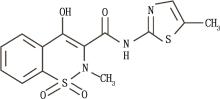
Fig.1
Structural formula of meloxicam[1]"

| [1] | 王 平,顾振纶.新型非甾体抗炎药——美洛昔康[J].中国新药与临床杂志,2000,19(6):499-501. |
| WANG P, GU Z L. A new type of non-steroidal anti-inflammatory drug—Meloxicam[J]. Chinese Journal of New Drugs and Clinical Remedies, 2000,19(6):499-501. (in Chinese) | |
| [2] | 张 慧,王加才,李 斌,等.兽用非甾体类抗炎药美洛昔康研究现状[J].中国动物检疫,2022,39(2):82-86. |
| ZHANG H, WANG J C, LI B, et al. Discussion on current studies on meloxicam, a non-steroid anti-inflammatory veterinary drug[J]. China Animal Health Inspection, 2022,39(2):82-86. (in Chinese) | |
| [3] | GHORAB M M, ABDEL-SALAM H M, EL-SAYAD M A, et al. Tablet formulation containing meloxicam and β-cyclodextrin: Mechanical characterization and bioavailability evaluation[J]. AAPS Pharmscitech, 2004,5(4):59. |
| [4] | GRUET P, SEEWALD W, KING J N. Evaluation of subcutaneous and oral administration of robenacoxib and meloxicam for the treatment of acute pain and inflammation associated with orthopedic surgery in dogs[J]. Veterinary Research, 2011,72(2):184-193. |
| [5] | JUNIOR D A S, CARVALHO C V D, LIMA M K F, et al. Effects of prolonged use of meloxicam in healthy horses: Clinical, laboratory, gastroscopic, and electrocardio graphic findings[J]. Semina Ciencias Agrarias, 2024,45(4):1047-1064. |
| [6] | COETZEE J F, MOSHER R A, KUKANICH B, et al. Pharmacokinetics and effect of intravenous meloxicam in weaned Holstein calves following scoop dehorning without local anesthesia[J]. BMC Veterinay Research, 2012,8:153. |
| [7] | GEORGOULAKIS I E, PETRIDOU E, FILIOUSIS G, et al. Meloxicam as adjunctive therapy in treatment and control of porcine respiratory disease complex in growing pigs[J]. Journal of Swine Health and Production, 2006,14(5):253-257. |
| [8] | 王娟娟,许雪亮.环氧合酶-2及其选择性抑制剂对视网膜母细胞瘤细胞体外生长增殖的影响[J].国际眼科杂志,2007,7(5):1302-1304. |
| WANG J J, XU X L. Effects of cyclooxygenase-2 and its selective inhibitor on the growth and proliferation of retinoblastoma[J]. International Eye Science, 2007,7(5):1302-1304. (in Chinese) | |
| [9] | 陈美婷,金 保,杜顺达.开腹肝脏术后疼痛的影响因素及合理化管理[J].世界华人消化杂志,2017,25(27):8. |
| CHEN M T, JIN B, DU S D. Pain after open hepatectomy: Risk factors and proper management[J]. World Chinese Journal of Digestology, 2017,25(27):8. (in Chinese) | |
| [10] | 郭一闽,王 忱.氯诺昔康应用于围术期镇痛的药理学基础[J].福建医药杂志,2009,31(1):88-90. |
| GUO Y M, WANG C. Pharmacological basis of lornoxicam used in perioperative analgesia[J]. Fujian Medical Journal, 2009,31(1):88-90. (in Chinese) | |
| [11] | 严旭琳,欧阳颖.选择性环氧化酶2抑制剂的不良反应[J].药物不良反应杂志,2012,14(2):93-97. |
| YAN X L, OUYANG Y. Adverse reactions of selective cyclooxygenase-2 inhibitors[J]. Adverse Drug Reactions Journal, 2012,14(2):93-97. (in Chinese) | |
| [12] | 徐立萧,岳永波,吴鹏飞,等.美洛昔康在兽医临床上抗炎镇痛的研究进展[J].中国兽医杂志,2020,56(2):70-72. |
| XU L X, YUE Y B, WU P F, et al. Research progress of meloxicam in anti-inflammatory and analgesic effects in veterinary clinical practice[J]. Chinese Journal of Veterinary Medicine, 2020,56(2):70-72. (in Chinese) | |
| [13] | 陈杖榴.兽医药理学[M].4版.北京:中国农业出版社,2010. |
| CHEN Z L. Veterinary Pharmacology[M]. 4th ed. Beijing: China Agriculture Press, 2010. (in Chinese) | |
| [14] | KIM T, GIULIANO A E, LYMAN G H. Lymphatic mapping and sentinel lymph node biopy in early-stage breast car-cinoma: A Metaanaly[J]. Cancer, 2006,106(1):4-16. |
| [15] | KARKOSZKA-STANOWSKA, RZEPKA Z, WRZEŚNIOK D, et al. The evaluation of potential anticancer activity of meloxicam—In vitro study on amelanotic and aelanotic melanoma[J]. International Journal of Molecular Sciences, 2025,26(13):5985. |
| [16] | LI T, ZHONG J, DONG X, et al. Meloxicam suppresses hepatocellular carcinoma cell proliferation and migration by targeting COX-2/PGE2-regulated activation of the β-catenin signaling pathway[J]. Oncology Reports, 2016,35(6):3614-3622. |
| [17] | CHENG L, HU Z, GU J. Exploring COX-independent pathways: A novel approach for meloxicam and other NSAIDs in cancer and cardiovascular disease treatment[J]. Pharmaceuticals, 2024,17(11):1488. |
| [18] | 张云现,苏 帅,吴连勇.美洛昔康在犬猫临床治疗中的应用[J].畜牧兽医科技信息,2020,8:186. |
| ZHANG Y X, SU S, WU L Y. The application of meloxicam in clinical treatment for dogs and cats[J]. Chinese Journal of Animal Husbandry and Veterinary Medicine, 2020,8:186. (in Chinese) | |
| [19] | GURUNG A, BADOLA A. An updated review on acne[J]. World Journal of Biology Pharmacy and Health Sciences,2023,14(3):300-317. |
| [20] | D’AMICO C, FONTANA F, CHENG R, et al. Development of vaccine formulations: Past, present, and future[J]. Drug Delivery and Translational Research, 2021,11(2):353-372. |
| [21] | SHREWSBURY S B. Trends and advancements in drug delivery: What is the “perfect” method of drugdelivery?[J]. Medical Research Archives, 2022. . |
| [22] | WALSH J, RANMAL S R, ERNEST T B, et al. Patient acceptability, safety and access: A balancing act for selecting age-appropriate oral dosage forms for paediatric and geriatric populations[J]. International Journal of Pharmaceutics, 2018,536(2):547-562. |
| [23] | ROBERTSON D. Drug action: The therapeutic effect[J]. Nurse Prescribing, 2017,15(5):253-255. |
| [24] | KOVAČEVIĆ Z, MUGOSA S, LALIC-POPOVIC M, et al. Veterinary compounding: The impact of different gelling agents on the rheological characteristics and release kinetics from meloxicam oral gels in the treatment of cats[J]. Veterinarski Arhiv, 2023,93(6):695-708. |
| [25] | 乔明慧,代柏妍,郭亦婷,等.微针在生物医学中的应用研究进展[J].化学通报,2025,88(1):30-38. |
| QIAO M H, DAI B Y, GUO Y T, et al. Research progress in the application of microneedles in biomedicine[J]. Chemistry, 2025,88(1):30-38. (in Chinese) | |
| [26] | VORA L K, SABRI A H, NASER Y, et al. Long-acting microneedle formulations[J]. Advanced Drug Delivery Reviews, 2023,201:115055. |
| [27] | ZHENG M, SHENG T, YU J, et al. Microneedle biomedical devices[J]. Nature Reviews Bioengineering, 2024,2:324-342. |
| [28] | MIRANDA-MUNOZ K, MIDKIFF K, WOESSNER A, et al. A multicomponent microneedle patch for the delivery of meloxicam for veterinary applications[J]. ACS Nano, 2024,18(37):25716-25739. |
| [29] | ANDERSON K L, O’NEILL D G, BRODBELT D C, et al. Prevalence, duration and risk factors for appendicular osteoarthritis in a UK dog population under primary veterinary care[J]. Scientific Reports, 2018,8:5641. |
| [30] | 李秀春.美洛昔康联合针灸治疗宠物犬退行性关节病的疗效观察[J].吉林畜牧兽医,2020,41(10):97-98. |
| LI X C. Observation of the efficacy of meloxicam combined with acupuncture in treating degenerative joint disease in pet dogs[J]. Jilin Animal Husbandry and Veterinary Science, 2020,41(10):97-98. (in Chinese) | |
| [31] | 刘 宏.美洛昔康片对犬的临床安全性试验及对诱导型骨关节炎的疗效研究[D].南京:南京农业大学,2012. |
| LIU H. The study of meloxicam on clinical safty and curative effect of induced osteoarthritis in dogs[D]. Nanjing: Nanjing Agricultural University, 2012. (in Chinese) | |
| [32] | BUDSBERG S C, TORRES B T, SANDBERG G S, et al. Long-term effects of meloxicam in dogs with hip dysplasia: A 12-month prospective study[J]. The Veterinary Journal, 2016,210:22-25. |
| [33] | BUDSBERG S, STOKER A, JOHNSTON S, et al. Ex-vivo effects of meloxicam on chondrocyte metabolism in osteoarthritic canine cartilage[J]. Osteoarthritis Cartilage, 2011,19(1):71. |
| [34] | LARKINS N I, KING C. APPA compared against meloxicam in canine OA[J]. Osteoarthritis Cartilage, 2017,25:176. |
| [35] | BENNETT D, ARIFFIN S Z, JOHNSTON P. Osteoarthritis in the cat: How should it be managed and treated[J]. Journal of Feline Medicine and Surgery, 2012,14(1):76-84. |
| [36] | KERWIN S C. Osteoarthritis in cats[J]. Topics in Companion Animal Medicine, 2010,25(4):218-223. |
| [37] | SUL R M, CHASE D, PARKIN T, et al. Comparison of meloxicam and a glucosamine-chondroitin supplement in management of feline osteoarthritis. A double-blind randomised, placebo-controlled, prospective trial[J]. Veterinary and Comparative Orthopaedics and Traumatology, 2014,27(1):20-26. |
| [38] | CARROLL G L, NARBE R, PETERSON K. A pilot study: Sodium urate synovitis as an acute model of inflammatory response using objective and subjective criteria to evaluate arthritic pain in cats[J]. Journal of Veterinary Pharmacology and Therapeutics, 2008,31(5):456-465. |
| [39] | CARROLL G L, NARBE R, KERWIN S C, et al. Dose range finding study for the efficacy of meloxicam administered prior to sodium urate-induced synovitis in cats[J]. Veterinary Anaesthesia and Analgesia, 2011,38(4):394-406. |
| [40] | GUNEW M N, MENRATH V H, MARSHALL R D. Long-term safety, efficacy and palatability of oral meloxicam at 0.01-0.03 mg/kg for treatment of osteoarthritic pain in cats[J]. Journal of Feline Medicine and Surgery, 2008,10(3):235-241. |
| [41] | SRISAWAT W, PRINGPROA K, PRACHASILCHAI W, et al. Epidemiology and classification for canine and feline mammary gland tumors: A histopathological survey of 437 mammary gland tumor biopsies performed in a secondary care hospital in Chiang Mai, Thailand from 2012 to 2019[J]. PeerJ, 2024,12:e17077. |
| [42] | 魏知非,周华波,黄 满,等.美洛昔康在犬乳腺肿瘤诊疗中的应用[J].广西畜牧兽医,2023,39(4):175-178. |
| WEI Z F, ZHOU H B, HUANG M, et al. The application of meloxicam in the diagnosis and treatment of canine mammary tumors[J]. Guangxi Animal Husbandry and Veterinary Science, 2023,39(4):175-178. (in Chinese) | |
| [43] | ITURRIAGA M P, PAREDES R, ARIAS J I, et al. Meloxicam decreases the migration and invasion of CF41.Mg canine mammary carcinoma cells[J]. Oncology Letters, 2017,14(2):2198-2206. |
| [44] | CIRIANO CERDÀ E, ZAJC A L, FINOTELLO R, et al. Meloxicam in combination with mitoxantrone or vinblastine as first-line treatment for non-resectable urothelial cell carcinoma in dogs[J]. Veterinary Sciences, 2023,10(8):529. |
| [45] | WOLFESBERGER B, WALTER I, HOELZL C, et al. Antineoplastic effect of the cyclooxygenase inhibitor meloxicam on canine osteosarcoma cells[J]. Research in Veterinary Science, 2006,80(3):308-316. |
| [46] | BILYI D, HERHAULOVIĆ M. Clinical evaluation of the effectiveness of meloxivet in the complex treatment of cats with mammary gland carcinoma[J]. Veterinarska Stanica, 2025,56(1):83-94. |
| [47] | PETRUCCI G N, MAGALHÃES T R, DIAS M, et al. Metronomic chemotherapy: Bridging theory to clinical application in canine and feline oncology[J]. Frontiers in Veterinary Science, 2024,11:1397376. |
| [48] | VOORWALD F A, LOPES C, SILVEIRA G C, et al. Severe mammary fibroepithelial hyperplasia due to single injection of medroxyprogesterone acetate in two male cats[J]. Ciencia Rural, 2021,51(4):e20200171. |
| [49] | 邹 杰,罗永莉.一例犬胰腺炎的诊断与防治[J].当代畜牧,2020,9:31-32. |
| ZOU J, LUO Y L. A case study on the diagnosis and prevention of canine pancreatitis[J]. Contemporary Animal Husbandry, 2020,9:31-32. (in Chinese) | |
| [50] | 李 倩,肖再利,赵世元,等.犬胰腺炎的诊断治疗与营养管理的研究进展[A].中国畜牧兽医学会犬学分会第22次犬业科技学术研讨会论文集[C].2024. |
| LI Q, XIAO Z L, ZHAO S Y, et al. Research progress on diagnosis, treatment and nutritional management of canine pancreatitis[A]. Proceedings of the 22nd Scientific Conference on Dog Industry by the Canine Branch of the Chinese Animal Husbandry and Veterinary Medical Association[C]. 2024. (in Chinese) | |
| [51] | 陈 英,牛彦兵,钟文强,等.一例犬胰腺炎的诊断与治疗[J].现代畜牧兽医,2021,388(3):30-32. |
| CHEN Y, NIU Y B, ZHONG W Q, et al. Diagnosis and treatment of a case of canine pancreatitis[J]. Modern Journal of Animal Husbandry and Veterinary Medicine, 2021,388(3):30-32. (in Chinese) | |
| [52] | 王 凡,白 羽,于咏兰.C-反应蛋白检测在犬多种疾病中的应用[J].动物医学进展,2018,39(6):108-112. |
| WANG F, BAI Y, YU Y L. Detection of C-reactive protein in canine with some diseases[J]. Progress in Veterinary Medicine, 2018,39(6):108-112. (in Chinese) | |
| [53] | 王雯洁.犬急性胰腺炎模型的构建及美洛昔康治疗的研究[D].长沙:湖南农业大学,2018. |
| WANG W J. Construction of acute pancreatitis in dogs and meloxicam treatment[D]. Changsha: Hunan Agricultural University, 2018. (in Chinese) | |
| [54] | 吴宇轩.一例猫胰腺炎的防治方案[D].长沙:湖南生物机电职业科技学院,2023. |
| WU Y X. A prevention and treatment plan for a case of feline pancreatitis[D]. Changsha: Hunan Vocational College of Biology and Mechanical and Electrical Engineering Technology, 2023. (in Chinese) | |
| [55] | GUNAWAN M, UTAMI N D, NOVIANA D. Acute pain management in cats: Assurance of feline welfare fulfillment within clinical setting[J]. Buletin Veteriner Udayana, 2023,15(5):930-942. |
| [56] | HU X Y, LUAN L, GUAN W, et al. Tolfenamic acid and meloxicam both provide an adequate degree of postoperative analgesia in dogs undergoing ovariohysterectomy[J]. Veterinarni Medicina, 2017,62(6):333-341. |
| [57] | CHAITHRA S N, SAIKIA B, KONWAR B, et al. Comparative studies on haemato-biochemical changes following pre-emptive analgesia with tramadol, pentazocine lactate and meloxicam inpain management of canine ovariohysterectomy[J]. Indian Journal of Animal Sciences, 2024,94(2):123-130. |
| [58] | DE O L CARAPEBA G, NICÁCIO I P G A, STELLE A B F, et al. Comparison of perioperative analgesia using the infiltration of the surgical site with ropivacaine alone and in combination with meloxicam in cats undergoing ovariohysterectomy[J]. BMC Veterinay Research, 2020,16(1):88. |
| [59] | PORADOWSKI D, JANUS I, CHRÓSZCZ A, et al. In vitro studies on the influence of meloxicam on cytotoxic activity induced by risedronate sodium in canine (D-17) and human (U-2 OS) osteosarcoma cell lines[J]. Animals, 2021,1(11):3135. |
| [60] | KACZMAR E, RYCHLIK A, SZWEDA M. The evaluation of three treatment protocols using oral prednisone and oral meloxicam for therapy of canine idiopathic lymphoplasmacytic rhinitis: A pilot study[J]. Irish Veterinary Journal, 2018,19:71. |
| [61] | ESKAFIAN H, TABRIZI A S, LARI M A. Gastroscopic study of meloxicam, tramadol, and their combined administration on the development of gastric injuries in dogs[J]. Topics in Companion Animal Medicine, 2017,32(3):109-113. |
| [62] | NAKAGAWA K, MIYAGAWA Y, TAKEMURA N, et al. Influence of preemptive analgesia with meloxicam before resection of the unilateral mammary gland on postoperative cardiovascular parameters in dogs[J]. Veterinary Medicine and Science, 2007,69(9):939-944. |
| [63] | ROSWITHA D, FRIEDERIKE Z, BIANKA S, et al. Evaluation of meloxicam for the treatment of obstructive feline idiopathic cystitis[J]. Journal of Feline Medicine and Surgery, 2016,18(11):925-933. |
| [64] | KUKANICH K, GEORGE C, ROUSH J K, et al. Effects of low-dose meloxicam in cats with chronic kidney disease[J]. Journal of Feline Medicine and Surgery, 2021,23(2):138-148. |
| [1] | WANG Haotian, LI Junzhe, MEI Xiaoying, LI Longxian, LI Yingying, ZHANG Mingrui, WU Yi. Effects of Cuscuta chinensis and Arctium lappa Compound Plant Extracts on Urine Physicochemical,Serum Antioxidant and Immune Indexes in Adult Cats [J]. China Animal Husbandry & Veterinary Medicine, 2025, 52(6): 2531-2539. |
| [2] | LI Xiang, DAI Xu, YANG Minghua, LI Yahui. Biochemical Characteristics and Functional Studies of the Sperm-specific Calcium Channel CatSper in Tupaia belangeri [J]. China Animal Husbandry & Veterinary Medicine, 2024, 51(6): 2365-2374. |
| [3] | WANG Rouqi, WU Yinga, LU Yulai, LUO Deyuan, CAI Wentao, QI Zhili. Research Progress on Mechanism of Polyunsaturated Fatty Acids and Its Application in Improving Coat Hair Health of Dogs and Cats [J]. China Animal Husbandry & Veterinary Medicine, 2024, 51(5): 1939-1946. |
| [4] | WANG Kaikai, ZHAO Yimou, ZHANG Hanlu, QIU Shi, LIU Yijia, ZHANG Wenxin, YANG Fengli. Eukaryotic Expression of Malassezia globosa Lipase SMG1 Gene in Cats and Lipase Activity Analysis of the Recombinant Vector [J]. China Animal Husbandry & Veterinary Medicine, 2024, 51(5): 2037-2046. |
| [5] | ZHAO Dehui, MA Cuiliu, WU Yan, LIU Keyuan, ZHANG Borui, ZHANG Haihua, LIU Hanlu. The Effects of Cyberlindnera jadinii on Nutrient Utilization,Serum Biochemical Indexes and Fecal Fungi Composition in Growing Raccoon Dogs [J]. China Animal Husbandry & Veterinary Medicine, 2023, 50(8): 3123-3132. |
| [6] | CHEN Xin, ZHANG Yichen, LIU Ming, LI Shaohan, QIN Tong. Surveillance and Analysis of Intestinal Coronavirus Infection in Dogs and Cats in Five Districts of Beijing [J]. China Animal Husbandry & Veterinary Medicine, 2023, 50(12): 5067-5074. |
| [7] | WANG Shuang, LIU Xingyao, JIA Haotian, LIU Yun. Alleviative Effect of Hydrogen Sulfide on Cisplatin-induced Kidney Oxidative Damage and Inflammation in Dogs [J]. China Animal Husbandry & Veterinary Medicine, 2022, 49(6): 2376-2384. |
| [8] | ZHAO Tianrui, SHAO Jinhua, WANG Chaohao, YAN Rui, LEI Yifei, LIU Xiaoya, HU Changmin. Isolation and Identification of Skin Pathogenic Bacteria from Dogs and Cats and Analysis of Antibacterial Effect of Natural Products [J]. China Animal Husbandry & Veterinary Medicine, 2022, 49(4): 1556-1567. |
| [9] | WEI Yunfang, LI Feixiang, Xing Yun, Huang Qingguo, LI Judong, WAN Jiusheng, CHEN Fangliang. Study on Cloning, Bioinformatics Analysis and Spatio-temporal Expression of IGF2 Gene in Kunming Dogs [J]. China Animal Husbandry & Veterinary Medicine, 2022, 49(3): 866-875. |
| [10] | REN Jianming, WEI Yanming, YUAN Ligang, WANG Qianmei, LI Chengye. Comparison of the Distribution of PGP9.5 and NPY in Cryptorchidism and Testicular Tumors in Dogs [J]. China Animal Husbandry & Veterinary Medicine, 2020, 47(9): 2741-2750. |
| [11] | WEI Yunfang, LI Feixiang, MA Weiguo, XU Tao, LI Judong, CHEN Fangliang, WAN Jiusheng, CHEN Chao. Cloning,Bioinformatics Analysis and Tissue Expression Detection of IGF-1 Gene CDS Regions in Kunming Dogs [J]. China Animal Husbandry & Veterinary Medicine, 2020, 47(6): 1659-1667. |
| [12] | ZOU Zhiyu, LEI Lei, HE Junjia, CHEN Qiyan, SHAO Bing, WANG Yang. Resistant Phenotype and Molecular Characterization of blaCTX-M Gene Carrying Klebsiella pneumoniae of Pet Dogs in Beijing [J]. China Animal Husbandry & Veterinary Medicine, 2019, 46(11): 3432-3439. |
| [13] | GAO Chen, MA Chaoxian, SHI Lingyu, JIA Jianqin, ZHONG Yougang. Research Progress on Cat Artificial Insemination [J]. China Animal Husbandry & Veterinary Medicine, 2019, 46(1): 320-328. |
| [14] | WANG Zhuo,SUN Wei-li,YANG Ya-han,WANG Kai-ying,BAO Kun,LI Dan-li,LI Guang-yu. Effect of Different Ratios of Food to Water of Dry Powder Feed on Growth Performance,Nutrient Digestibility and Nitrogen Metabolism of Growing Wusuli Raccoon Dogs [J]. China Animal Husbandry & Veterinary Medicine, 2014, 41(7): 104-108. |
| [15] | JIN Zhi-yuan, ZHOU Ze-wei, WANG Ya-qin, BU Shi-jin. Comparative Study on Pharmacokinetics of Two Milbemycin Oxime-praziquantel Tablets by Oral Administration in Cats [J]. China Animal Husbandry & Veterinary Medicine, 2014, 41(12): 157-160. |
| Viewed | ||||||
|
Full text |
|
|||||
|
Abstract |
|
|||||
